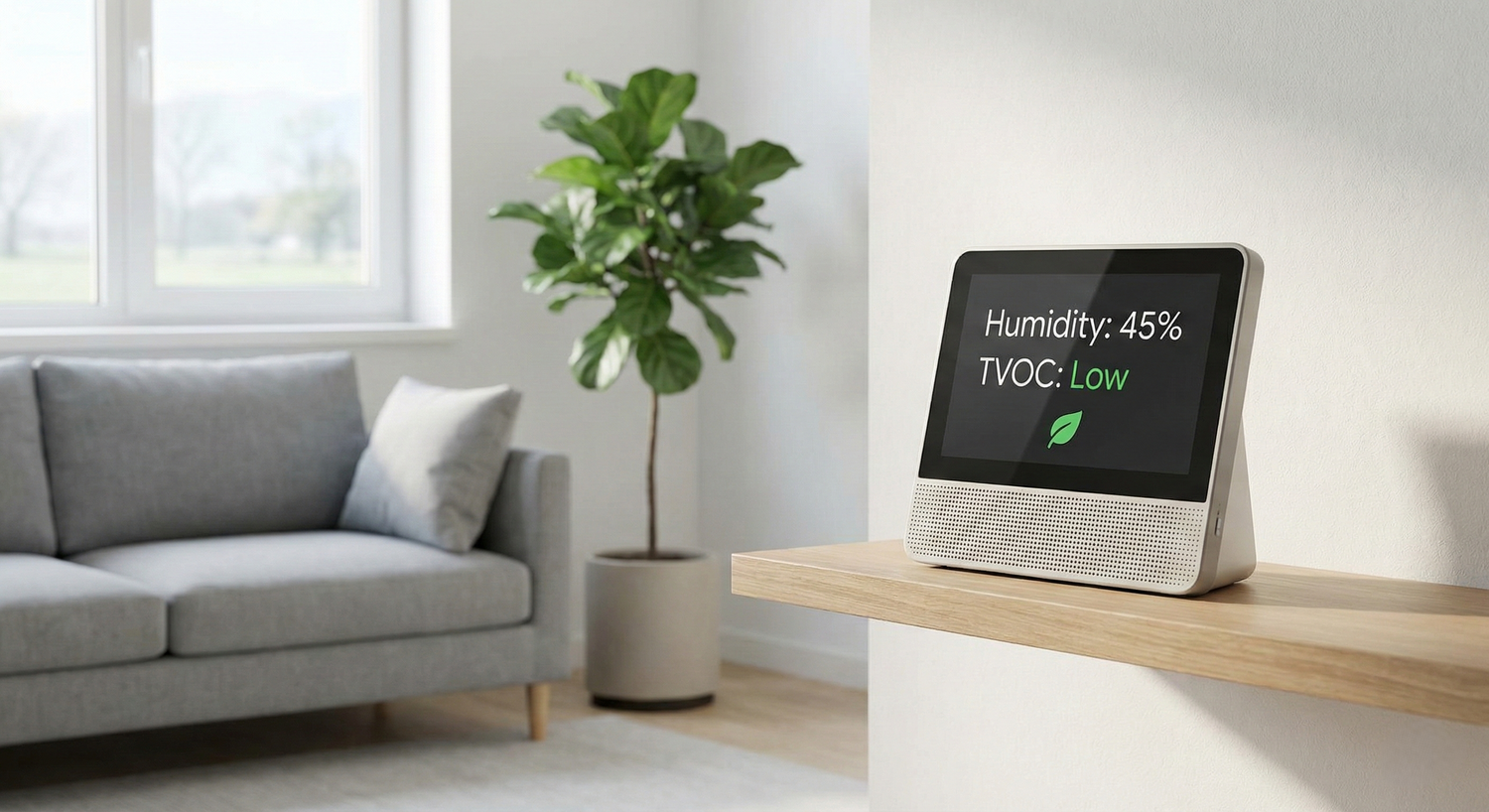
Best Indoor Air Quality Monitors for Mold and VOC Detection in Homes
When you’re shopping for an indoor air quality monitor, “mold” and “VOCs” are usually the two biggest worries because they can affect comfort, odors, and how your home feels day to day. The challenge is that many devices promise “mold detection,” but what they really do is track the conditions that help mold grow and the gases that often accompany household pollution.
This guide is written for buyers comparing options and trying to choose the right monitor for a home, apartment, or rental property. You’ll learn what these monitors can and can’t measure, which features matter most, and how to evaluate models so you can buy with confidence.
What “Mold Detection” Really Means in a Home Monitor
Most consumer monitors do not directly detect mold spores in the air, because that typically requires specialized sampling and lab analysis. Instead, they help you spot mold risk by measuring humidity, temperature, and sometimes particulate levels that can rise during dust, smoke, or disturbed debris.
For mold prevention, humidity is the key metric to watch, since damp air and condensation are common triggers for growth behind walls, under sinks, and around windows. A good monitor will show real-time humidity and trends over time, so you can see whether a bathroom fan, dehumidifier, or HVAC change is actually keeping levels stable.
VOC Detection: Sensors, Readings, and What to Trust
VOCs (volatile organic compounds) come from paints, cleaning products, new furniture, cooking, and even scented items, and they can build up indoors when ventilation is poor. Many home monitors use a “TVOC” sensor that reports a combined estimate rather than identifying specific chemicals, which is still useful for spotting spikes and comparing rooms.

When comparing products, pay attention to how the monitor presents VOC information: some show a simple color score, while others provide a numeric value and a history graph. Numeric readings and clear trend charts make it easier to connect a spike to an activity like mopping, using an air freshener, or bringing in a new rug, and then confirm that airing out the space actually reduces the level.
Features That Matter When Comparing Indoor Air Quality Monitors
Start with the basics: humidity and temperature for mold risk, plus VOC tracking for chemical exposure, and consider adding CO2 if you want a strong indicator of ventilation quality. Particulate matter (PM2.5) is also valuable because it captures smoke, cooking aerosols, and fine dust that can irritate airways, even though it’s not a direct mold measurement.
Usability features often make the difference between a monitor you check once and a monitor you rely on daily. Look for fast refresh rates, a stable Wi‑Fi connection, a clear app with long-term history, and alerts you can customize, because “good” and “bad” thresholds vary by climate, season, and how your household uses the space.
How to Choose the Right Monitor for Your Home and Budget
Match the device to your goal: if you’re mainly preventing mold, prioritize accurate humidity tracking, reliable alerts, and placement in moisture-prone areas like bathrooms, basements, laundry rooms, and near exterior walls. If you’re investigating odors, headaches, or “new house” smells, prioritize VOC sensitivity, trend graphs, and the ability to compare readings across rooms.
For shopping decisions, consider total cost and long-term ownership, not just the upfront price. Some monitors require periodic calibration, some rely on cloud subscriptions for history, and others work locally with no fees, so it’s worth checking what’s included, how data is stored, and whether you can export or view multi-week trends before you buy.