

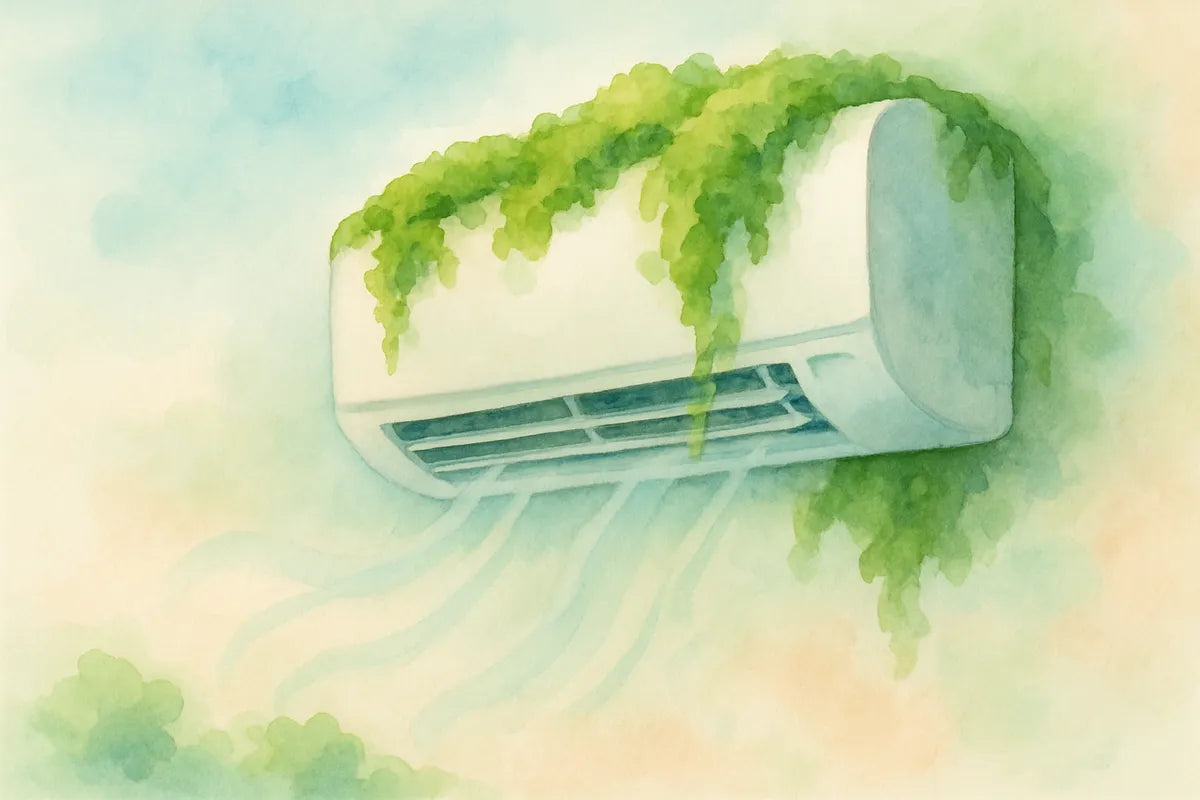
Moss Air Conditioning: A Natural Way to Cool the Air
When you think about air conditioning, you probably picture the hum of a compressor or the chill of ducted air. But there's another cooling method emerging that borrows from nature: moss air conditioning. This approach uses living moss to cool, clean, and humidify the air, combining natural biology with modern design. It's part of a growing interest in green technology that solves comfort and climate challenges at the same time.
What Is Moss Air Conditioning?

Moss air conditioning systems use real moss plants as living filters. The moss sits inside panels or walls that draw air through it. As the air moves across the moss, it’s naturally cooled and cleaned. The rootless structure of moss allows it to absorb and evaporate water efficiently, which creates a cooling effect similar to natural evapotranspiration in forests.
These systems often include sensors, fans, and water circulation mechanisms to keep everything running smoothly. The idea is simple: let nature handle part of the air conditioning job instead of relying entirely on mechanical refrigeration.
How Moss Air Conditioners Work

The process behind moss-based cooling is rooted in natural thermodynamics. Here’s how it usually works step by step:
Air intake: Warm air enters a wall or unit that contains living moss panels.
Natural filtration: Dust, allergens, and some pollutants stick to the moss surface, improving indoor air quality.
Evaporative cooling: As water moves through the moss, some evaporates. This evaporation removes heat from the air.
Conditioned air output: The now-cooled, slightly humidified air is released back into the space.
The system doesn’t rely on refrigerants that damage the environment. Instead, it harnesses natural moisture cycles, much like how a shaded forest feels cooler than open ground on a hot day.
The Science Behind Moss Cooling

Scientists know that plants can reduce air temperature through shade and evaporation. Moss adds another layer of efficiency because of its biological structure. Unlike most plants, moss absorbs water through its entire surface rather than through a root system. This makes it ideal for collecting moisture from the air and using it for passive cooling.
Research from the U.S. Environmental Protection Agency shows that natural greenery helps improve indoor air quality by absorbing volatile compounds and producing oxygen. Moss, being compact and rootless, works especially well indoors because it thrives in low light and absorbs pollutants continuously.
Some designers and engineers are experimenting with incorporating moss walls into HVAC systems to support traditional air conditioning, reducing the energy load. The architecture community has shown increasing interest in these bio-integrated cooling features in sustainable building designs.
Benefits of Moss Air Conditioning
1. Lower Energy Consumption
Moss systems don’t need compressors or refrigerants. That can cut power use significantly. Because they rely on natural evaporation, they consume much less energy than traditional HVAC systems. Even when paired with small fans or water pumps, their total energy footprint stays low.
2. Improved Air Quality
According to the National Institutes of Health, moss can help capture airborne dust and pollutants. This natural filtration makes indoor spaces cleaner without relying on disposable filters. Some commercial moss walls have shown measurable decreases in particulate matter (PM2.5 and PM10) inside offices.
3. Natural Humidity Balance
Dry air is a common problem in heavily air-conditioned spaces. Moss helps add gentle humidity back into the environment through evaporation. This makes indoor air more comfortable and less likely to cause dry skin, irritated eyes, or static buildup.
4. Aesthetic and Psychological Benefits
Moss walls or panels add a calming, green element to rooms. Many studies, including those cited by the National Library of Medicine, link exposure to indoor plants with reduced stress levels and improved concentration. A moss air conditioner doesn't just cool the air - it cools the mind.
5. Sustainability
Traditional cooling systems rely on refrigerants that can harm the ozone layer if not handled correctly. Moss air conditioning offers a greener alternative. There are no chemicals or synthetic materials that pose environmental risks. Maintenance requirements are also minimal, as moss species used in these systems are hardy and long-lasting.
Challenges and Limitations
No technology is perfect, and moss air conditioning comes with its own set of challenges.
Moisture Control
Keeping moss alive means maintaining moisture levels. If the system dries out, the cooling and purification effects fade quickly. On the other hand, overwatering can lead to mold growth. Smart automated irrigation systems help balance this, but they add complexity and cost.
Cooling Capacity
Moss cooling systems can’t replace full-scale air conditioners in every climate. They work best in moderate conditions or as supplementary cooling systems. For large buildings or extremely hot regions, hybrid systems that combine moss cooling with mechanical units are more effective.
Installation Costs
Custom moss installations can be pricey at first. Specialized panels, support structures, and irrigation controls cost more than a standard wall unit. However, they can pay off over time through lower energy bills and reduced environmental impact.
Where Moss Air Conditioning Works Best
Moss air systems shine in spaces that value both sustainability and design. Here are some common use cases:
- Office buildings that want to improve air quality and reduce carbon footprint
- Retail shops and restaurants using moss walls as décor that doubles as natural cooling
- Residential spaces focused on eco-friendly living
- Public buildings, airports, and libraries looking to reduce energy costs
Green architects often integrate moss-based solutions in biophilic designs, blending technology and nature to create healthier urban interiors.
How to Maintain a Moss Air Conditioning System
Maintenance is simpler than it sounds. Here’s what’s usually required:
Keep humidity between 40% and 70% so the moss stays green and active.
Use filtered water to avoid mineral buildup.
Inspect for pests or algae every few months.
Clean intake fans and ducts to maintain steady airflow.
If the moss starts to yellow, mist or irrigate more frequently or replace affected panels.
Because moss doesn’t grow tall or need trimming, upkeep is mostly about monitoring water and airflow, not gardening.
Integrating Moss Cooling with Smart Home Systems
Some new systems connect directly to smart thermostats and moisture sensors. A growing range of smart building tools makes it easier to automate the moss environment. These controls adjust irrigation and fan speeds based on temperature and humidity readings, ensuring efficiency and comfort with minimal attention.
Practical Alternatives and DIY Options
Don’t want to install a full moss air unit? You can still benefit from moss’s properties in smaller ways. Try a desktop moss wall or mini moss cooler that uses a fan and evaporation pad. Several eco-design companies and online communities share DIY moss wall projects that can serve as natural air filters for home offices or small rooms.
Comparing Moss Air Conditioning to Traditional Systems
| Feature | Moss Air Conditioning | Traditional AC |
|---|---|---|
| Energy Use | Low | High |
| Environmental Impact | Minimal, natural materials | Dependent on refrigerants |
| Air Purification | Natural filtration through moss | Requires filters replaced regularly |
| Installation Cost | Moderate to high | Varies by unit type |
| Maintenance | Moisture control and cleaning | Regular servicing and gas refills |
The Future of Green Cooling
Moss air conditioning fits into the wider shift toward natural climate control. As energy costs rise and cities struggle with heat islands, living air systems have strong appeal. Urban planners and building engineers are testing moss façades on structures to cut cooling demands and trap airborne dust.
New research from the Energy and Buildings journal explores how plant-based air systems might integrate into modern architecture at scale. While widespread adoption will take time, each step toward natural cooling reduces strain on power grids and lowers emissions.
Conclusion
Moss air conditioning offers a glimpse into what sustainable cooling could look like - quieter, greener, and more natural. It won’t replace every HVAC system, but it can complement them and change how we think about air quality and comfort. By blending living biology with smart design, moss brings the calm of a forest indoors while helping to solve one of modern life’s biggest energy challenges.

