A home office should help you focus, not leave you with a dry throat, headaches, or that stale “closed-room” feeling. If you work from home most days, your indoor air becomes your work environment. And indoor air can get dirty fast from dust, cleaning sprays, printers, off-gassing furniture, and poor airflow.
Setting up a green home office for better air quality isn’t about buying a pile of “eco” stuff. It’s about choosing low-pollution materials, improving ventilation, and keeping particles and moisture under control. The payoff is simple: cleaner air, fewer irritants, and a space that feels good to sit in for hours.
What makes home office air go bad

Before you change anything, it helps to know what you’re fighting. Most home office air issues come from a mix of particles, gases, and moisture problems.
Particles you can’t ignore
Particles include dust, pollen, pet dander, and smoke. They float, settle, and get kicked back up every time you walk, vacuum, or move a chair. Fine particles can also come from candles, cooking, and wildfire smoke that sneaks inside.
The U.S. Environmental Protection Agency breaks down indoor pollutants and practical ways to reduce them on its indoor air quality resources page.
Gases and fumes from everyday items
Many office items release volatile organic compounds (VOCs). Common sources include:
- Pressed-wood desks and shelves
- New carpets and foam pads
- Paint, caulk, and adhesives
- Cleaning sprays and scented products
- Printers and certain markers
You don’t need to fear every new chair. But if your office smells “new” for weeks, you’re breathing some of what’s coming off those materials.
Humidity that invites mold and dust mites
Too much humidity can push mold growth, especially around windows, exterior walls, and behind furniture. Too little humidity can irritate eyes and sinuses. Most homes feel best when indoor humidity stays around 30% to 50%.
ASHRAE, a leading HVAC standards group, provides guidance on indoor air quality and ventilation through its public-facing indoor air quality resources.
Start with airflow before you buy anything
People often jump straight to air purifiers. Don’t. A purifier helps, but it can’t fix a room that never gets fresh air.
Do a quick ventilation check
Ask yourself:
- Does the room feel stuffy after the door stays closed for an hour?
- Do odors linger longer than they should?
- Do you see condensation on windows in cool weather?
If you answered yes, focus on ventilation first.
Simple ventilation upgrades that work
- Open two windows for 5 to 10 minutes to create cross-ventilation, if outdoor air is clean.
- Run a bathroom or kitchen exhaust fan for 15 to 30 minutes to pull stale air out (even if your office isn’t in that room).
- Keep supply and return vents unblocked by desks, rugs, and file boxes.
When outdoor air quality is poor (wildfire smoke, high pollen, heavy traffic), keep windows closed and lean more on filtration. For smoke events, the Washington State Department of Health has a clear page on protecting your indoor air during wildfires.
Choose low-tox materials and finishes
A green home office for better air quality depends a lot on what’s in the room. The easiest win is to avoid products that off-gas heavily.
Paint and wall finishes
If you’re repainting, pick low-VOC or zero-VOC paint. Then ventilate well while it cures. “Dry to the touch” isn’t the same as “done off-gassing.” Give it a few days with good airflow if you can.
If you want a deeper look at VOCs and why they matter indoors, the U.S. National Library of Medicine has plain-language info in its indoor air pollution overview.
Furniture that doesn’t stink up the room
Some practical rules:
- Solid wood and metal tend to off-gas less than pressed wood.
- If you buy pressed wood, look for products that meet stricter formaldehyde standards (often noted in product specs).
- Let new furniture “air out” in a garage or spare room for a few days if the smell is strong.
Flooring choices for cleaner air
Carpet can hold dust and allergens. Hard flooring is usually easier to keep clean. If carpet works better for sound and comfort, choose low-VOC carpet and use a good vacuum with a sealed HEPA system.
Get filtration right with an air purifier that fits your room
Air purifiers can make a real difference for particles like dust, pollen, and smoke. The key is sizing and placement.
What to look for in a purifier
- True HEPA filtration for fine particles
- A clean air delivery rate (CADR) that matches your room size
- Reasonable replacement filter costs so you’ll actually maintain it
Avoid “ozone” or “ionizer” models that market themselves as air cleaners. You want mechanical filtration, not a device that adds reactive chemicals to your air.
For a practical, no-hype explanation of CADR and how to choose a unit, the Association of Home Appliance Manufacturers maintains the AHAM Verifide program for independently tested air cleaners.
Placement tips that make purifiers work harder
- Put it near your breathing zone, not tucked behind the desk.
- Keep a few feet of clearance around intake and exhaust.
- Run it consistently on a lower setting instead of blasting it once a week.
Control dust with less work, not more
Dust control doesn’t need a complicated routine. It needs the right tools and a few habits that stop dust from building up.
Clean in a way that removes dust instead of spreading it
- Use a damp microfiber cloth for surfaces. Dry dusting just lifts particles into the air.
- Vacuum with a HEPA-sealed vacuum if you have carpet or rugs.
- Swap feather dusters for microfiber or a vacuum brush attachment.
Make the floor part of your air plan
Your shoes bring in pollen, soot, and fine dirt. If you want better air quality in your green home office, start at the door.
- Add a doormat outside and another just inside.
- Consider a shoes-off rule for the office, especially during pollen season.
- Use a washable rug you can clean often.
Keep humidity in the comfort zone
Humidity affects how your office feels and what grows in it. Track it and adjust it.
Measure before you guess
Buy a small hygrometer. They’re cheap and far more reliable than “it feels damp.” If you want to go a step further, a consumer air quality monitor can also track PM2.5 and VOC trends, which helps you spot patterns.
If you suspect a moisture issue, the EPA’s guidance on mold and moisture control lays out what to fix first and when to bring in help.
Right-size your fix
- If humidity runs high: use a dehumidifier, improve ventilation, and check for leaks around windows and exterior walls.
- If humidity runs low: use a humidifier, but clean it often and use the right water to prevent mineral dust.
A dirty humidifier can make air quality worse, fast. If you use one, clean and dry it on schedule, and follow the maker’s directions.
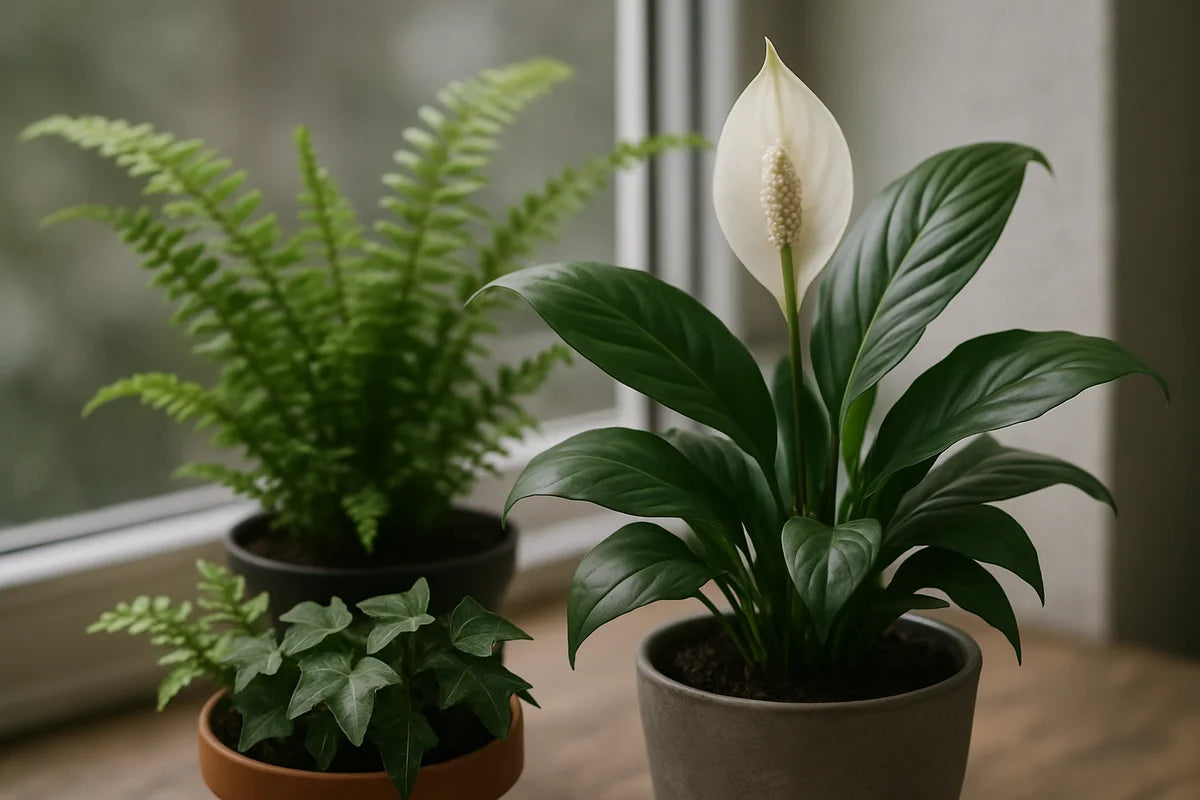
Houseplants can help, but don’t treat them like air filters
Plants make a home office feel calmer and more alive. They can also raise humidity slightly and may reduce stress. But they won’t replace ventilation or filtration.
How to use plants without creating problems
- Choose easy plants that don’t need soggy soil.
- Avoid overwatering. Standing water invites mold and gnats.
- Use potting mixes that drain well, and empty drip trays.
If you love plants, keep them. Just don’t buy ten thinking it will solve indoor air on its own.
Cut office equipment pollution at the source
Your gear can add heat, particles, and odors. A few tweaks can lower what ends up in your air.
Printers and scanners
- Put printers in a well-ventilated spot, not right next to your chair.
- Keep paper dust under control by wiping shelves and around the feed tray.
- Run a purifier nearby if you print often.
Fragrances and “air fresheners”
If your office needs a constant scent to feel “clean,” something else is off. Many fragranced products add VOCs without fixing the cause. Try removing the source first: trash, damp towels, dusty vents, or a musty rug.
Green cleaning that actually improves air quality
Cleaning helps air quality when it removes dust and grime without filling the room with strong fumes.
Switch your cleaning kit to a simple set
- Fragrance-free dish soap diluted in water for many surfaces
- Microfiber cloths you wash and reuse
- A vacuum with good filtration
- A mild, targeted disinfectant when you need it (not every day)
If you buy cleaning products, look for reputable third-party labels that focus on safer ingredients. For example, EPA Safer Choice lists products that meet its criteria.
Layout choices that support cleaner air
Your setup affects airflow and dust buildup. A few layout changes can help your green home office for better air quality without changing your style.
Give air somewhere to move
- Don’t jam a desk tight against a supply vent.
- Leave a small gap between big furniture and exterior walls to reduce cold spots and condensation risk.
- Keep cords and clutter off the floor so you can vacuum quickly.
Pick fabrics you can clean
Soft surfaces trap dust. You don’t need a sterile room, but you do want cleanable materials.
- Choose washable curtains or blinds you can wipe down.
- If you use an upholstered chair, vacuum it and consider a removable cover.
- Wash throw blankets and pillow covers often if you keep them in the office.
A simple 7-day plan to reset your office air
Want a plan you can finish without turning it into a project that drags on for months? Use this one-week reset.
- Day 1: Air out the room for 10 minutes (if outdoor air is clean) and wipe surfaces with a damp microfiber cloth.
- Day 2: Vacuum floor and chair, then clean the area around vents and baseboards.
- Day 3: Remove fragranced items and swap to a simpler cleaning spray or diluted soap solution.
- Day 4: Check humidity with a hygrometer and adjust with a humidifier or dehumidifier if needed.
- Day 5: Rework layout so vents and returns stay clear. Clear floor clutter.
- Day 6: If you use a purifier, confirm it’s sized right and replace filters if they’re overdue.
- Day 7: Do a quick source check: musty smells, damp corners, dusty rugs, or new items still off-gassing.
Looking ahead with a healthier workspace
Once your air feels better, keep it that way with small habits: a quick weekly dust wipe, steady filtration, and a humidity check when seasons change. If you want to go further, track your indoor air with a monitor for a few weeks and see what spikes PM2.5 or VOCs in your space. You’ll learn what your home office reacts to, and you can fix problems before they become “normal.”
The best part of setting up a green home office for better air quality is that it tends to improve other things too. The room smells neutral. Your desk stays cleaner. You waste less on scented cover-ups. And you end up with a workspace that supports long hours without that heavy, stale air creeping in.