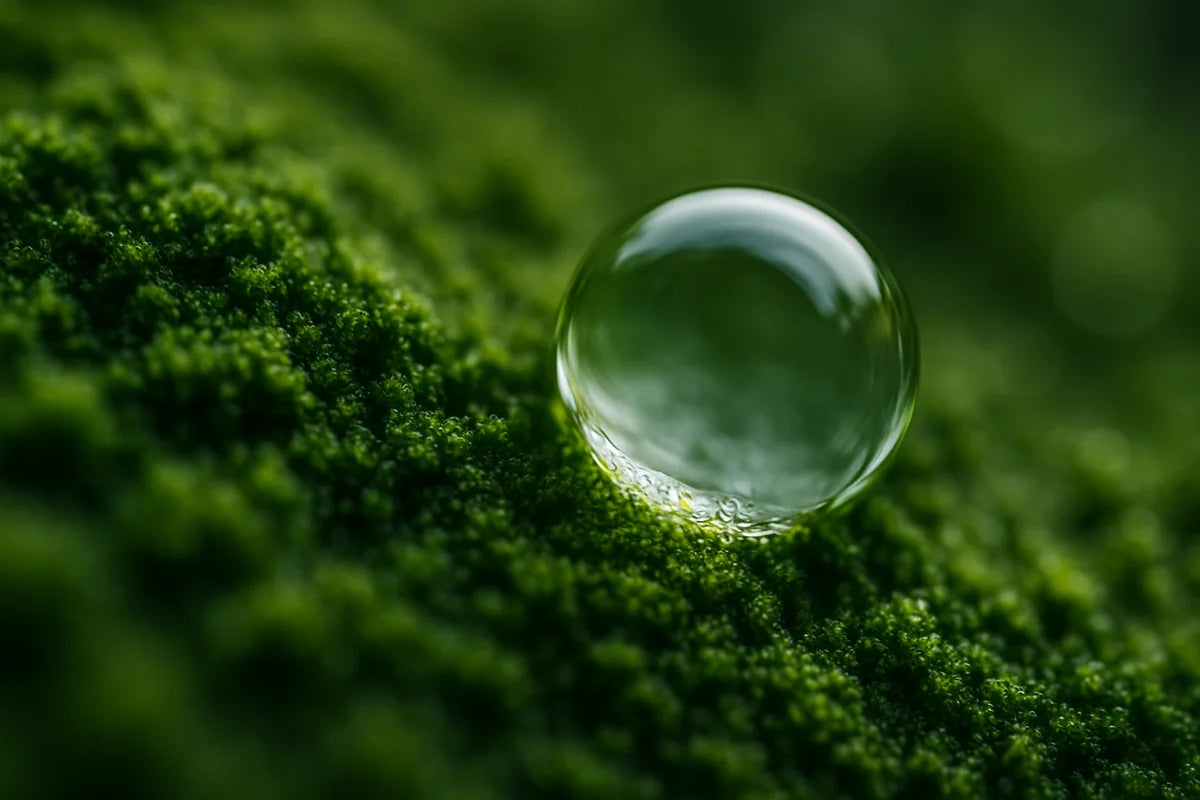
Moss looks soft and simple, but it’s a tough plant that survives on bare rock, tree bark, and thin soil. That rugged streak has made people wonder: does moss filter water?
The honest answer is yes, moss can help filter water in a few useful ways. It can trap dirt, slow water down, and even bind some metals and nutrients. But it’s not a complete water filter, and it won’t make unsafe water safe to drink on its own. If you want to use moss for a pond, a garden, a terrarium, or a DIY water feature, it can be a smart tool. If you want potable water, you still need proven treatment steps.
This article breaks down what moss does, why it works, where it fails, and how you can use it safely.
What people mean when they ask “does moss filter water?”
“Filter” can mean a few different things. With moss, it usually falls into three buckets:
- Physical filtering: trapping sediment like silt, grit, and organic bits
- Chemical binding: sticking to dissolved metals or nutrients
- Biological support: hosting microbes that can change nitrogen compounds over time
Moss does some of each, but it works best as a pre-filter or polishing step. Think cleaner-looking water, lower sediment, and sometimes lower metals. Not sterile drinking water.
How moss “filters” water in nature
Moss doesn’t have true roots. It takes in water across its surface and holds it like a sponge. That sponge-like structure is the key to its filtering effect.
1) It slows water down, which helps particles settle
When water moves through a mossy patch, it hits a maze of tiny stems and leaves. Flow slows. Slower water drops heavier particles. That alone can make runoff look clearer.
This is one reason mossy ground can reduce erosion on slopes and stream edges. The moss doesn’t just trap sediment. It also reduces the speed that causes sediment in the first place.
2) It traps fine sediment and organic debris
Moss mats catch particles like a net. Dust, soil, decaying leaves, and even micro-sized debris can lodge in the structure. Over time, that material either washes out in a big storm or breaks down and becomes part of the moss layer.
3) It can bind some dissolved metals
Many moss species can adsorb metals onto their surfaces. Researchers use moss as a bioindicator for air pollution because it collects metals and other pollutants from wet and dry deposition.
This doesn’t mean moss can reliably remove all metals from water to safe levels. It means moss can grab some fraction, depending on the metal, the water chemistry, and contact time. For background on metal risks and limits, the EPA’s drinking water contaminants resource explains how regulators think about common contaminants.
4) It supports microbial life that can change nutrients
Moss mats provide habitat. Microbes live in and around them, and those microbes can play a role in nutrient cycling. In the right conditions, microbial communities help reduce certain nitrogen compounds over time. This matters more in wetlands, bogs, and constructed systems than in a small jar filter.
What moss can remove (and what it usually can’t)
Here’s the practical view. Moss can help with:
- Suspended solids (cloudiness from silt and fine particles)
- Some organic bits (leaf fragments, algae clumps, debris)
- Small amounts of certain metals (varies by species and conditions)
- Some nutrients as part of a larger living system (slow, variable)
Moss is weak at, or unreliable for:
- Pathogens (bacteria, viruses, parasites)
- Dissolved chemicals like pesticides, fuel components, and many industrial compounds
- Salt and most dissolved minerals that drive high TDS
If you’re thinking about drinking water, pathogens are the dealbreaker. Clear water can still carry microbes that cause illness. The CDC’s guidance on making water safe in the outdoors lays out methods that actually work, like boiling, disinfection, and certified filtration.
Moss filters vs real filters: the key differences
A real water filter usually has at least one of these:
- A defined pore size (like a membrane or ceramic filter)
- A disinfecting step (UV, chlorine, boiling)
- An adsorbing medium designed for chemicals (like activated carbon)
Moss has none of those in a controlled, repeatable way. It’s a living, shifting material. It can improve water quality, but it’s hard to predict how much and for how long.
If you want a clear benchmark, look for filters tested to standards like NSF/ANSI. A practical place to start is the NSF overview of water treatment standards. That’s the world moss doesn’t live in.
Where moss shines: smart uses that actually work
Even with limits, moss can be genuinely useful. These are the scenarios where moss filtering makes sense.
Cleaner pond water (as part of a bog filter or plant zone)
Pond keepers often use plant-based filtration zones to trap sediment and take up nutrients. Moss can play a small role here, mainly as:
- A surface that traps fine debris
- A habitat layer for biofilm
- A way to calm splash and reduce suspended sediment
But don’t rely on moss alone to solve green water or algae. That’s usually a nutrient and sunlight problem. Many pond builders use bog filters, gravel beds, and strong circulation. For pond-focused setups and maintenance ideas, The Pond Guy’s learning center has practical articles and diagrams.
Terrariums and small water features (for clarity, not safety)
In closed terrariums, moss can help keep water looking clearer by catching debris and stabilizing the surface. It can also reduce splashing that stirs up soil.
But terrarium water still grows microbes. If you mist with questionable water, moss won’t “fix” it. Use clean water to start with.
Garden runoff and rain gardens
Moss thrives in damp, shaded spots, and it can help reduce erosion where water sheets across soil. If your goal is to slow runoff and trap sediment before it hits a drain, moss can help.
For broader stormwater ideas, including how plants and soil handle runoff pollutants, the EPA’s rain garden resource gives solid, plain-English guidance.
DIY pre-filtering for muddy water (not a finishing step)
If you have muddy water for non-drinking use, moss can act as a rough pre-filter. The goal here is simple: remove grit and cloudiness so later steps work better.
For drinking water, treat “moss pre-filtered” water the same as untreated water. You still need disinfection.
If you try a DIY moss filter, do it safely
People love simple setups: a bottle, a layer of moss, maybe sand and gravel. These can make water look cleaner, which feels like success. But looks fool you.
What can go wrong
- Moss can add contaminants: it may carry bacteria, protozoa, or animal droppings
- Stagnant moss can rot: it may release odors and dissolved organics into water
- Trapped sediment can break loose: one bump can flush dirt back out
A safer way to use moss in a DIY setup
If you want to experiment for education or for non-potable use (like plant water), treat moss as one layer in a system.
- Rinse the moss well with clean water to remove loose dirt and insects.
- Use it as a top layer to catch debris, not as the only medium.
- Pair it with gravel and sand below to improve mechanical filtering.
- Change or rinse the moss often. A clogged moss layer becomes a compost layer.
- If there’s any chance you’ll drink the water, follow proven steps after: boil, disinfect, or use a certified filter.
If your real goal is drinking water, skip the guesswork and use established methods. Outdoor educators often point to step-by-step treatment plans like those from REI’s water treatment guide, which compares boiling, chemicals, UV, and filters in plain terms.
What species matters: not all moss behaves the same
“Moss” covers a lot of plants. Some form thick mats. Some grow in loose tufts. Some live in bogs. Those differences change how water flows and what gets trapped.
- Sphagnum (peat moss) holds huge amounts of water and acidifies its surroundings. That can slow some microbial growth, but it doesn’t sterilize water.
- Sheet-forming mosses create dense carpets that trap sediment well.
- Tuft mosses let more water pass through and may trap less fine material.
Also, moss from a city sidewalk may carry metals and grime you don’t want in any filter experiment. Source matters as much as species.
Can moss make water safe to drink?
Not by itself. Moss can improve clarity, and it may reduce some contaminants in some cases. But it won’t reliably remove pathogens or harmful chemicals to safe levels.
If you’re in a survival or camping setting and you’re tempted to trust a moss “filter,” don’t. Use moss only to reduce sediment before you treat the water using a method designed for microbes.
A simple, realistic chain looks like this:
- Let muddy water settle in a container
- Pour through a cloth or a moss-and-sand pre-filter to reduce grit
- Disinfect (boil, chemical treatment, UV) or use a certified backcountry filter system
How moss fits into bigger water-cleaning ideas
If moss can’t solve drinking water, why do scientists care about it? Because moss acts like a sponge and a collector. That makes it useful for monitoring pollution and for understanding how ecosystems trap and store contaminants.
In the real world, the best “natural filtration” usually comes from whole systems: soil, plants, microbes, and time. Wetlands work this way. So do well-designed rain gardens. Moss can be one piece, especially in shaded, damp zones where other plants struggle.
Looking Ahead: better ways to use moss without fooling yourself
If you’re curious about whether moss filters water, try this next: use moss as a clarity tool, not a safety tool. Put it where you want to slow water, trap silt, or protect soil from splash. In ponds, use it as a support layer, not the main filter. In garden runoff, pair it with deeper-rooted plants and good grading.
And if you want safe drinking water, treat moss like a rough screen and nothing more. Build your system around proven steps and tested gear, then let moss play a small, useful role where it actually performs well.