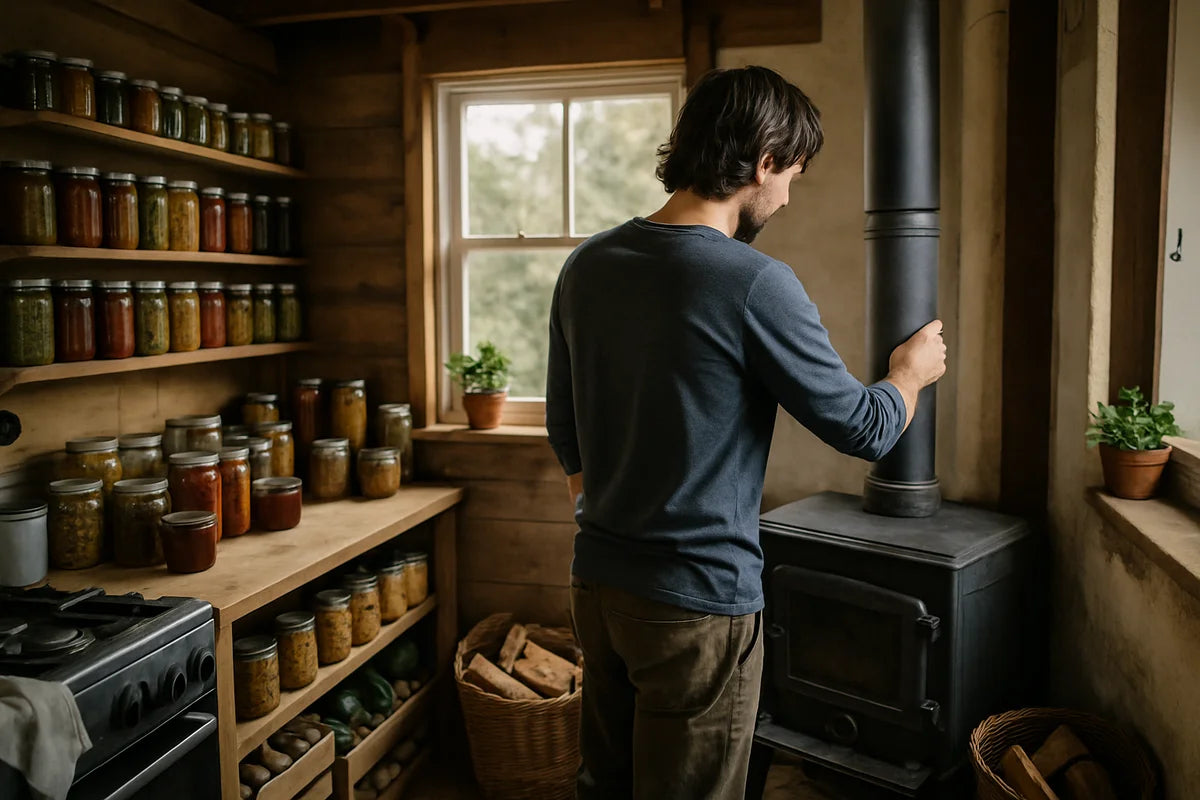
Self-sufficiency doesn’t have to mean living in the woods or cutting every tie to modern life. For most people, it means a home that keeps you fed, warm, safe, and calm when supplies get tight, prices jump, or the power goes out. It’s also about day-to-day independence: wasting less, buying less, and relying more on what you can make, fix, or grow.
This article walks you through practical ways to prepare your home for a self-sufficient lifestyle. You’ll find steps you can take in a small apartment, a suburban home, or a rural property. Start where you are. Build as you go.
Start with a simple self-sufficiency plan

Before you buy gear, get clear on what “self-sufficient” means for you. Do you want to cut bills? Handle a three-day outage? Grow half your vegetables? The goal shapes the setup.
Do a home readiness check
- How long could you stay home with no shopping trip?
- What breaks first in an outage: heat, cooking, water, or meds?
- Do you have safe storage space (cool, dry, pest-proof)?
- What skills do you already have: cooking, basic repairs, gardening?
Pick a timeline you can stick to
A good approach is to build in layers:
- Week 1-2: Reduce waste and plug basic gaps (food, water, lighting).
- Month 1-3: Build storage systems, start a small garden, add backup power.
- Month 3-12: Improve insulation, expand food growing, add water options.
You’re preparing your home for a self-sufficient lifestyle. That’s a long game. Small wins matter more than a shopping spree.
Food: make your pantry work like a system
Food security starts with what you already eat. If you stock food you don’t like, you’ll waste money and end up donating dusty cans later.
Build a “deep pantry” you actually use
Deep pantry means you keep extra of your normal foods and rotate them. Focus on meals, not single items. Think: chili, pasta nights, rice bowls, soups, oatmeal, pancakes.
- Choose 10-15 repeat meals your household likes.
- List what each meal needs (including spices and oil).
- Keep enough ingredients for 2-4 weeks, then extend to 8-12 weeks if you have space.
If you want clear guidance on safe home canning, use tested methods. The science matters. Start with the National Center for Home Food Preservation (University of Georgia). It’s one of the most trusted sources for home preservation.
Plan for cooking when the power is out
Your pantry isn’t useful if you can’t cook. Pick at least one backup cooking method that fits your home and local rules.
- Camp stove (but only use it where ventilation and fire safety allow).
- Propane grill (outdoors only).
- Solar oven (slow, but steady on sunny days).
- Wood stove (serious investment, plus chimney and maintenance).
Don’t guess on fuel safety. Check guidance from the CDC on carbon monoxide prevention and keep working CO alarms in your home.
Store food so it stays edible
- Use airtight containers for grains and flour.
- Keep food cool, dark, and dry.
- Label dates and rotate from the front.
- Protect from pests with bins and clean shelves.
If you want a solid overview of long-term food storage basics, Utah State University Extension’s food storage resources are practical and easy to follow.
Water: the part most people skip (and regret)
You can go weeks without food. Water gets urgent in days. Preparing your home for a self-sufficient lifestyle means you need both storage and a way to make water safe.
Store enough water for short disruptions
A common starting point is about one gallon per person per day for drinking and basic hygiene. Your needs may be higher in hot climates, for pets, or if you cook from scratch often. For baseline emergency guidance, see Ready.gov’s water storage recommendations.
- Keep at least 3-7 days on hand.
- Use food-grade containers and store them out of sunlight.
- Don’t forget pets and baby formula needs.
Add water resilience for longer stretches
Longer-term water self-sufficiency usually needs a source plus treatment:
- Rainwater catchment (where legal and practical).
- Well water (with a plan for power outages).
- Nearby surface water (last resort, needs strong treatment).
For filtration and treatment, focus on proven methods and clear instructions. If you’re learning the basics, the EPA’s drinking water information can help you understand contaminants and safety terms.
Make sure you can access water without electricity
- If you have a well, research a manual pump option or backup power for the pump.
- Keep a few “water moving” tools: a siphon hose, clean buckets, and a wrench for shutting off water lines.
- Know how to drain and protect your pipes in a hard freeze.
Energy: cut your needs before you add backup power
Most homes try to solve outages by buying more power. It’s smarter to need less power in the first place.
Seal drafts and fix the “quiet” energy leaks
Weatherization is not exciting, but it’s one of the best self-sufficiency moves you can make. It lowers your bills and makes any backup heat or power go further.
- Add door sweeps and weather stripping.
- Seal obvious gaps around plumbing and vents.
- Use thick curtains in winter and shade in summer.
- Insulate exposed pipes to reduce freeze risk.
If you want step-by-step help, Energy Saver from the U.S. Department of Energy has plain-language guides for insulation, air sealing, and home energy fixes.
Choose backup power that matches your real needs
Write down what you want to run in an outage. Many people only need:
- Fridge and freezer (to save food)
- Some lights
- Phone charging and internet (maybe)
- A fan, small heater, or medical device
Then pick the system:
- Battery power station for small loads and quiet use indoors.
- Portable generator for heavier loads (outdoors only, stored fuel needed).
- Solar plus batteries for a cleaner long-term setup (higher upfront cost).
Don’t ignore heat
In many climates, heat is the make-or-break issue. If the grid fails in a cold snap, you need a safe plan.
- Use a safe indoor-rated heater only if your home can handle it and you have alarms.
- Consider a wood stove only if you can maintain it and store dry wood.
- Create a “warm room” with door draft blockers and layered bedding.
Food growing: start small, then scale
Gardening can help you feel more in control fast. It can also humble you. Pests, weather, and timing will test you. Start with crops that give a good return for your effort.
Pick the easiest wins for your space
- Herbs on a windowsill: basil, parsley, chives, mint (mint needs its own pot).
- Greens in containers: lettuce, spinach, arugula.
- High value crops: cherry tomatoes, peppers, pole beans.
- If you have a yard: zucchini, potatoes, onions, winter squash.
Build soil health, not just plant boxes
Soil is your long-term asset. If you’re preparing your home for a self-sufficient lifestyle, treat soil like savings.
- Start composting kitchen scraps and yard waste.
- Mulch to hold moisture and cut weeds.
- Test soil before you dump fertilizers.
For compost basics that stay practical, the Royal Horticultural Society’s composting guide is clear and beginner-friendly.
Preserve what you grow
Growing food is only half the job. Plan how you’ll store it:
- Freeze: easiest, but depends on power.
- Dehydrate: great for herbs, apples, tomatoes, and jerky.
- Ferment: sauerkraut and pickles need little gear.
- Can: shelf-stable, but you must follow tested recipes.
Waste, repairs, and skills: the hidden side of self-sufficiency
Gear helps. Skills make you steady. The more you can fix, reuse, and maintain, the less you rely on last-minute shopping.
Set up a home repair station
You don’t need a full workshop. You need a place where tools live and stay organized.
- Basic hand tools: screwdrivers, hammer, adjustable wrench, pliers.
- Fasteners: assorted screws, nails, picture hooks.
- Tape and sealants: duct tape, painter’s tape, silicone caulk.
- Spare parts: furnace filter, a few hoses, light bulbs, batteries.
Lower your trash output
Less waste makes a self-sufficient lifestyle easier. You store less, haul less, and spend less.
- Switch to rags instead of paper towels for most cleaning.
- Buy pantry staples in larger bags and repackage at home.
- Repair clothing early (small holes turn into big ones).
- Compost food scraps if you can.
Learn a few “high return” skills
- Cook from basic ingredients (beans, rice, flour, eggs).
- Sharpen knives and garden tools.
- Sew on a button and mend a seam.
- Fix a running toilet and unclog a drain.
If you want structured, hands-on learning, look for local classes through your county extension office, maker spaces, or community colleges.
Safety and security: calm beats flashy
Self-sufficiency works best when your home stays safe, both in normal life and during disruption.
Start with fire safety and air safety
- Check smoke alarms and replace batteries on schedule.
- Use CO alarms on each level if you have fuel-burning appliances.
- Keep a fire extinguisher where you cook.
- Store fuels away from living areas and heat sources.
Strengthen the basics of home security
- Replace weak screws in door strike plates with longer ones.
- Add motion lights outside.
- Trim shrubs away from windows and entry points.
- Know your neighbors and trade contact info.
In a true self-sufficient lifestyle, community matters. A good neighbor beats a closet full of gadgets.
Make space for supplies without clutter
Many people quit because their home starts to feel like a storage unit. Organization is part of the work.
Create zones
- Kitchen zone: everyday pantry, water for quick use, first aid basics.
- Utility zone: tools, batteries, flashlights, charger cords, filters.
- Bulk zone: extra food, paper goods, seasonal gear (cool, dry, dark).
Use a rotation rule that takes five minutes
- When you buy one, put it behind the older one.
- Once a month, scan dates and plan two meals that use the oldest items.
- Keep a short list on the fridge of what you have “too much of.”
Budgeting for self-sufficiency without wasting money
You don’t need to spend big to prepare your home for a self-sufficient lifestyle. You need to spend on the right things in the right order.
Buy what solves a real problem first
- If outages are common, start with lighting, phone charging, and a way to cook.
- If food costs hurt, start with pantry depth and cooking skills.
- If storms knock out water, start with storage and treatment.
Use a “two uses” rule
Try to buy items that help in daily life and emergencies:
- A good pressure canner can preserve garden produce and bulk buys.
- Insulation lowers bills and keeps you safer in a blackout.
- A dehydrator reduces food waste and builds shelf-stable snacks.
The path forward: pick one upgrade you can finish this weekend
If you want this to stick, don’t turn it into a giant project. Choose one change that improves your home right away. Then do the next one.
- Set up a two-week deep pantry of meals you already cook.
- Store three days of water and buy a simple, proven treatment method.
- Seal the draftiest door and add a warm-room plan for winter.
- Start a container garden with herbs and greens.
- Create a small repair station and fix one annoying problem you’ve ignored.
Self-sufficiency isn’t a finish line. It’s a habit you build into your home. Each small upgrade gives you more room to breathe when life gets messy, and more freedom the rest of the time.