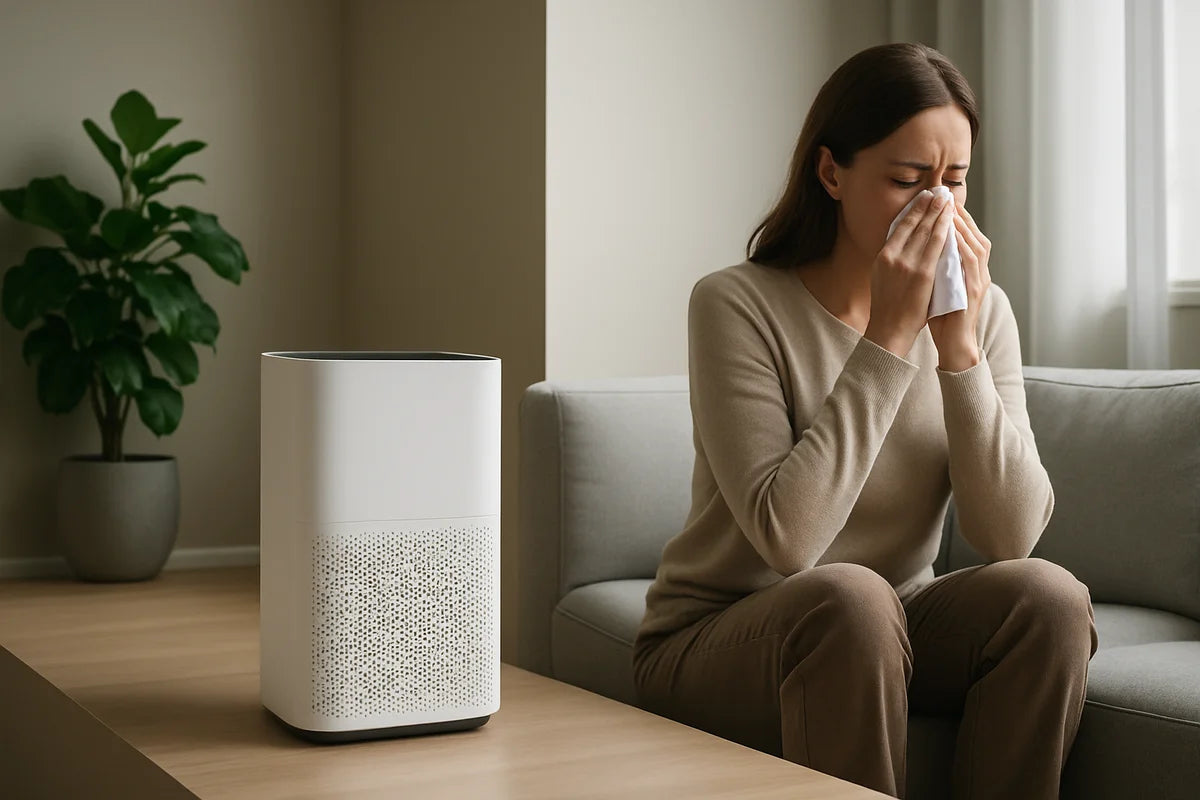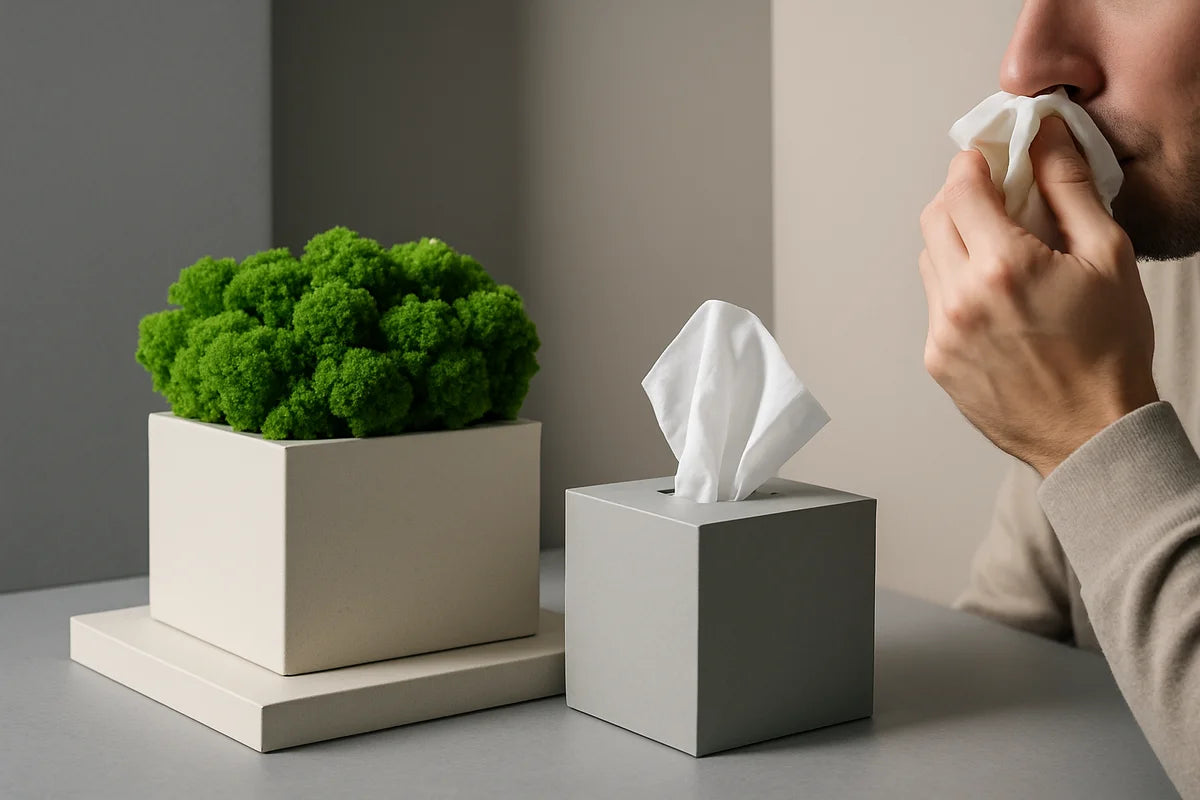
Live moss has a calm, clean look. People use it in terrariums, kokedama, moss walls, bonsai pots, and shady garden beds. Then the worry hits: if you deal with allergies, will live moss make you sneeze, itch, or wheeze?
The honest answer is: live moss is often tolerated better than many houseplants, but it isn’t “allergy-proof.” The risk depends on what kind of allergy you have, how you keep the moss, and whether mold moves in. This article breaks down what actually triggers symptoms, how to spot problems early, and how to enjoy moss with fewer flare-ups.
What “moss allergy” usually means

Most people who ask “is live moss safe for allergy sufferers” are really asking about three different things:
- Pollen allergies (seasonal hay fever)
- Mold allergies (spores from damp areas)
- Contact irritation (skin reactions from handling plants and wet materials)
Moss itself doesn’t produce flowers, so it doesn’t make pollen the way many plants do. That’s good news for classic pollen allergies. The bigger issue is moisture. Moss likes it damp, and damp environments can support mold growth if airflow and cleaning slip.
If you react mainly to mold, your symptoms may come from what grows on or under the moss, not the moss.
Does live moss release pollen
True mosses (bryophytes) don’t flower. They reproduce by spores, not pollen. For many allergy sufferers, that lowers the risk compared with flowering houseplants or outdoor weeds.
But “lower” doesn’t mean “zero.” Spores can still irritate some people, and moss often arrives with bits of soil, bark, and leaf litter that can carry dust, microbes, and mold spores.
For background on how indoor allergens work and why dampness matters, the EPA’s overview of indoor air quality is a solid starting point.
The real risk for allergy sufferers is mold
Here’s the key point: moss wants moisture, and moisture is also what mold wants. If your moss setup stays wet with poor airflow, mold can colonize the surface or the substrate underneath. That’s when some people start getting nasal congestion, itchy eyes, cough, or asthma flares.
Medical centers often point to mold as a common indoor trigger. For a plain-English explanation of mold exposure and symptoms, see Mayo Clinic’s page on mold allergy.
Why terrariums can be tricky
Closed terrariums hold humidity. That’s the point. But a sealed glass box can also trap stale air. If you over-mist, let dead leaves sit, or pack in too much organic matter, mold can show up fast.
Open terrariums and moss bowls breathe more, so they tend to be easier for allergy sufferers. You still need to watch moisture, but you get a wider margin for error.
What about “preserved moss”
Preserved moss is not live. It’s treated (often with glycerin and dye) to stay soft. It doesn’t need watering, so it usually poses less mold risk. But it can off-gas odors, shed dust, or irritate sensitive skin depending on the treatment.
If your allergies flare mainly from damp indoor spots, preserved moss may feel easier. If you react to chemicals or scents, you might prefer live moss with careful care.
Who should be extra careful with live moss
Some people can keep live moss with no issues. Others should treat it like a controlled experiment.
- People with mold allergy or asthma triggered by dampness
- Anyone with a history of severe allergic reactions
- People on immune-suppressing meds
- Households with a musty basement smell or recurring bathroom mold
If you fall into one of these groups, consider asking your clinician what to avoid. If you already know mold is a trigger, your goal isn’t to fear moss. It’s to prevent a damp microclimate from turning into a spore factory.
How to tell if your moss is causing symptoms
Allergy triggers can stack up, so it helps to run a simple check.
Do a timing test
- Do symptoms start within hours of misting, trimming, or opening a terrarium?
- Do you feel worse in the room where the moss sits?
- Do symptoms ease when you move the moss outdoors or to a garage for a week?
That pattern doesn’t prove moss causes the problem, but it gives you a lead.
Use your senses but don’t trust them alone
Musty smell, fuzzy growth, or white webbing on the substrate can point to mold. But mold isn’t always obvious. If you suspect an issue and you have respiratory symptoms, act early. Remove decaying plant matter, reduce watering, and improve airflow.
If you want a deeper look at mold basics and why smell isn’t a perfect guide, the CDC’s mold health page explains what matters most.
Choosing safer live moss for allergy sufferers
Not all moss sources are equal. If you want live moss and you deal with allergies, focus on clean sourcing and simple setups.
Pick a reputable source
Wild-collected moss can bring hitchhikers: soil fungi, mites, decaying leaves, and whatever blew in that day. That doesn’t mean it’s “bad,” but it adds variables.
Look for moss sold for terrariums or bonsai from established sellers who ship clean, sorted material. Many hobbyist guides also cover basic moss prep. The British Bryological Society learning resources can help you understand moss types and their needs, which makes it easier to keep them healthy.
Avoid muddy, decomposing mixes
Moss can grow on many surfaces. For allergy-friendly indoor setups, simpler often works better:
- Washed gravel base with a mesh barrier
- Inert rock or slate for moss to carpet
- Minimal organic substrate, used only if the moss needs it
Heavy, rich soil stays wet longer and feeds mold. If you don’t need it, skip it.
Care habits that lower allergy risk
If you take one thing from this article, take this: keep moss damp, not soggy, and keep air moving.
Watering and humidity without overdoing it
- Mist lightly, then wait. If glass stays fogged all day, you used too much water.
- Use distilled or filtered water if your tap water leaves mineral crust. Crust can trap debris and look like growth.
- Let the surface dry slightly between mists in open setups.
Closed terrarium? Vent it. Even cracking the lid for 10 to 20 minutes a day can help.
Light and airflow matter more than most people think
Low light slows growth and can lead to die-off. Die-off feeds mold. Give moss the right light for the species, and don’t tuck it into a dark corner “because moss likes shade.” Shade outdoors isn’t the same as dim indoor light.
If you keep moss in a room that already runs humid, consider a small fan on low across the room (not blasting the moss). You can also watch humidity with an inexpensive meter. For a practical way to understand your indoor levels, this humidity control guide from the U.S. Department of Energy explains what ranges tend to feel comfortable and why they matter.
Clean-up routine that takes five minutes
- Remove dead leaves and debris weekly.
- Wipe terrarium glass when you see film or algae.
- Trim brown patches before they rot.
- If you spot mold, remove the affected material right away and reduce moisture.
If mold returns again and again, your setup is too wet, too sealed, or too rich in organic material.
Handling live moss without getting itchy
Some people don’t react until they touch moss, soil, or damp substrate. That reaction can be allergy, irritation, or both.
- Wear nitrile gloves when you pot, trim, or clean.
- Wash hands and forearms right after handling.
- Don’t rub your eyes while you work.
- Do messy work outdoors or near an open window.
If you get hives, swelling, or breathing trouble, stop and get medical help. Don’t test your limits with repeated exposure.
Where you place moss indoors makes a big difference
Location can turn a low-risk hobby into a daily trigger.
Better spots
- A bright bathroom only if it has strong ventilation and stays mold-free
- A living room with good airflow, away from heat vents that dry it out fast
- A home office only if you keep the setup open and easy to maintain
Spots to avoid
- Bedrooms if you have asthma, mold allergy, or wake with congestion
- Basements with any musty smell
- Areas near humidifiers that run daily
If you’re not sure how clean your air is, consider tracking particles and humidity for a couple of weeks. A practical tool that many homeowners use is PurpleAir’s indoor air sensor options, which can help you see patterns when you mist, clean, or ventilate.
Live moss outdoors and seasonal allergies
Outdoor moss in the garden usually isn’t the main driver of hay fever. Grasses, trees, and weeds cause most pollen issues. Still, outdoor moss can hold moisture and organic debris, and that can support mold in shaded areas.
If you rake or pull moss outdoors and you react, wear a mask and gloves, and avoid working on windy days. If your symptoms spike during yard work, pollen or mold may be the bigger culprit. The American Academy of Allergy, Asthma and Immunology overview of outdoor allergens helps you sort common triggers.
Safer alternatives if live moss doesn’t work for you
If you love the look but your nose disagrees, you still have options.
- Preserved moss in a well-ventilated space (no watering, lower mold risk)
- High-quality faux moss for crafts and decor (watch for dust)
- Dry hardscape looks like stones, cork bark, and sand gardens
- Low-allergen houseplants that don’t need constant damp substrate
Even with faux moss, dust can build up. A quick vacuum with a brush attachment helps.
When to talk to a clinician
If you’re trying to figure out whether live moss is safe for allergy sufferers in your specific case, a few situations call for expert help:
- You get wheezing, chest tightness, or shortness of breath around damp indoor setups
- You have ongoing congestion that improves when you leave home
- You see recurring mold in your home, with or without moss
- You’re not sure if you react to pollen, mold, dust mites, or something else
Allergy testing can clarify what you react to and how strict you need to be with humidity and indoor plants.
Looking ahead with moss if you have allergies
You don’t have to treat live moss as an all-or-nothing choice. Start small. Try an open dish garden with clean materials. Keep it out of your bedroom. Track how you feel for two to three weeks, especially after misting and maintenance. If symptoms stay quiet, you can scale up. If they flare, switch to preserved moss or a drier setup and focus on controlling dampness in the room.
Moss can be a calm, low-fuss hobby, but only if you keep it clean and keep moisture in check. That’s the trade: a little routine care now can spare you weeks of sniffles later.