Beginner Guide to Creating a Sustainable Indoor Garden
Starting an indoor garden can be one of the most rewarding ways to bring nature into your home. It’s calming, productive, and can even cut down on grocery costs. But growing plants indoors isn’t just about keeping them alive. A sustainable indoor garden focuses on conserving resources, avoiding waste, and creating a self-supporting ecosystem that lasts. This guide walks you through every step - from planning your space to maintaining healthy plants year-round.
Why Choose a Sustainable Indoor Garden?

Sustainability means using what you need without wasting resources. A sustainable indoor garden reduces water use, limits plastic and chemical waste, and supports biodiversity, even in small spaces. It’s also healthier for you. Studies show that indoor plants can improve air quality and lower stress levels. According to research from the National Institutes of Health, exposure to greenery indoors may even enhance mental well-being.
Beyond personal benefits, growing your own herbs, greens, or vegetables cuts down on packaging waste and transport emissions. In short, it’s good for your home and the planet.
Step 1: Plan Your Indoor Garden Space

Before buying seeds or soil, take time to plan. Ask yourself a few key questions:
- How much natural light does my space get?
- What’s the temperature and humidity like?
- Do I want decorative plants, edible plants, or both?
Most indoor plants thrive with at least 4-6 hours of sunlight a day. If your apartment is dim, consider a small grow light setup. Try to place your garden near a south- or east-facing window for steady light.
Choosing the Right Containers
Skip single-use plastic pots when possible. Instead, reuse containers you already have - glass jars, ceramic bowls, or wooden boxes can all work if they have drainage. You can also look for biodegradable or recycled planters from sustainable brands. Whatever you choose, make sure the container allows excess water to drain to prevent root rot.
Soil and Growing Medium
Traditional potting soil works for most houseplants, but for a sustainable approach, look for organic, peat-free mixes. Peat harvesting harms natural wetlands, so alternatives like coconut coir or compost-based blends are better for the environment. You can also mix your own soil using equal parts compost, coir, and perlite for drainage.
Step 2: Select Sustainable Plants

Some plants are more forgiving for beginners and better suited to indoor conditions. Start simple and expand as you gain confidence. Here are good options:
- Herbs: Basil, mint, parsley, and chives grow well indoors and add fresh flavor to meals.
- Leafy greens: Lettuce, spinach, and kale thrive in cooler indoor temperatures.
- Succulents and cacti: Require little water and adapt well to dry environments.
- Air-purifying plants: Snake plants and pothos help clean indoor air according to NASA research.
If you want a challenge, try dwarf fruiting plants like strawberries or chili peppers. They need more light but can be very rewarding.
Step 3: Manage Light, Water, and Air
Light
Light is the most critical factor for indoor plant health. If your plants aren’t getting enough, they’ll grow tall and thin, reaching for light. Use LED grow lights if your windows don’t provide enough natural sunlight. Choose full-spectrum bulbs that mimic daylight. Keep lights on for about 12-16 hours a day, depending on the plant species.
Water
Overwatering is a common beginner mistake. Most plants prefer slightly dry roots between waterings. Stick your finger an inch into the soil - if it feels dry, it’s time to water. Use room-temperature water and collect rainwater if possible. This saves tap water and avoids chemical buildup from treated water. According to the U.S. Environmental Protection Agency, small water-saving habits like this can make a meaningful difference over time.
Air and Humidity
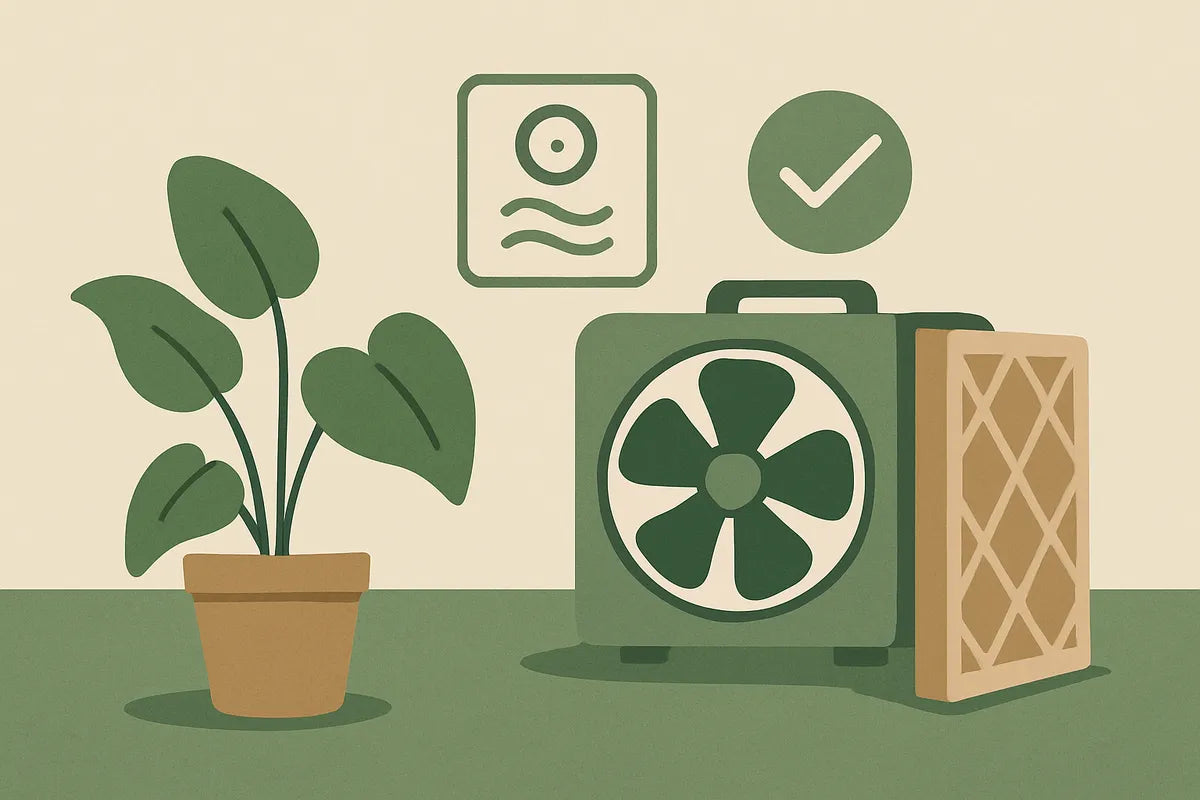
Indoor air can be dry, especially in winter. Group plants together to naturally raise humidity or use a simple pebble tray. You can also mist leaves occasionally, but don’t overdo it or you’ll risk fungal growth. Good airflow matters too - open a window now and then or run a small fan nearby to prevent mold.
Step 4: Use Eco-Friendly Fertilizers and Pest Control
Natural Fertilizers
Skip synthetic fertilizers. They often contain salts and chemicals that harm soil microbes. Instead, use compost tea, worm castings, or diluted fish emulsion. You can make compost tea at home by steeping compost in water for a few days, then straining and using it as liquid feed. It’s gentle, effective, and sustainable.
Organic Pest Management
Even indoor gardens can attract pests like aphids or spider mites. The key is prevention. Inspect plants regularly and isolate any new ones before adding them to the group. If pests appear, try natural remedies first: neem oil spray, insecticidal soap, or a simple mix of water and dish soap. For more guidance, see Penn State Extension’s gardening resources which offer detailed, research-based advice.
Step 5: Reuse, Recycle, and Compost
Sustainability doesn’t stop with plant care. Think about your waste stream too. Reuse soil by refreshing it with compost between plantings. Save kitchen scraps for composting - even in small apartments, you can use a countertop compost bin or a worm bin. Composting reduces landfill waste and creates rich organic matter for your plants.
Repurpose old containers and tools instead of buying new. A cracked mug makes a great succulent pot. Egg cartons can start seedlings. These small choices add up over time.
Step 6: Create a Maintenance Routine
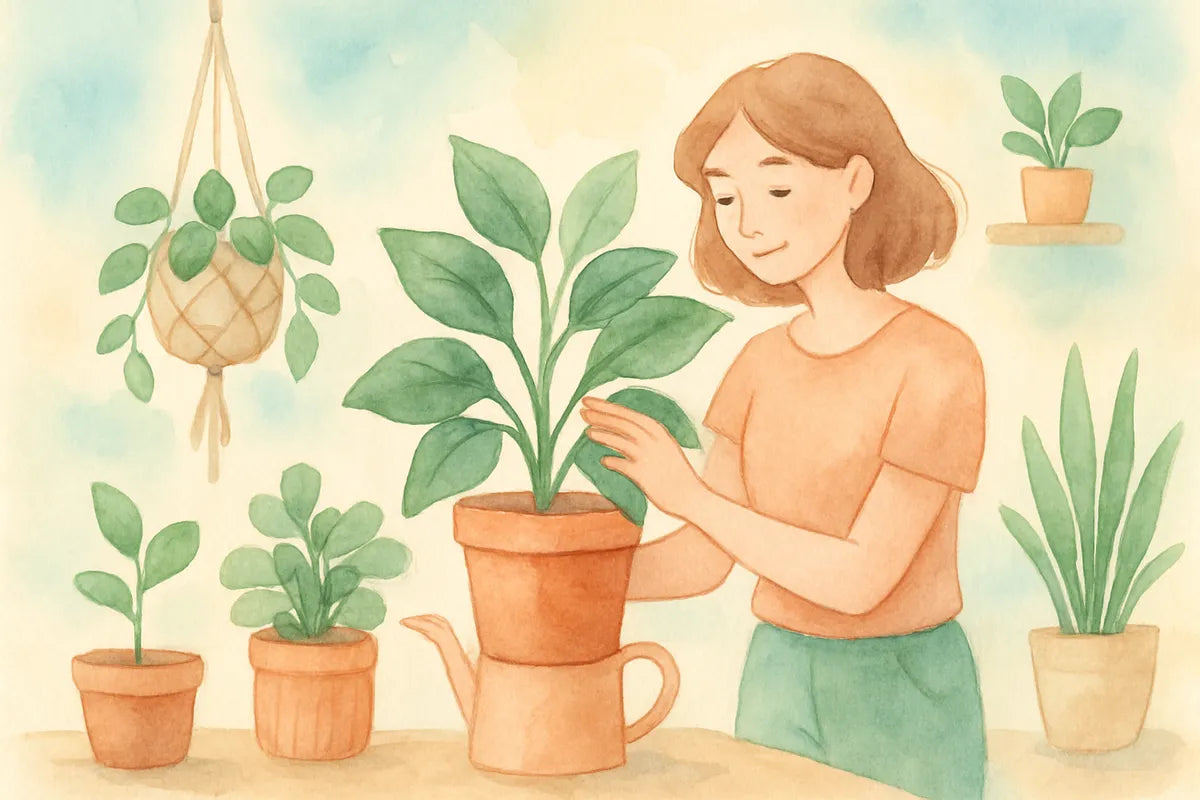
Consistency matters more than perfection. Set a weekly routine to check your plants, water as needed, prune dead leaves, and inspect for pests. Keep a small notebook or app to track watering and light exposure. This helps you spot patterns and adjust care before problems grow.
Rotate pots occasionally so all sides get light. Clean dust off leaves - it helps plants breathe better and absorb more light. Every few months, refresh topsoil with a thin layer of compost or worm castings.
Step 7: Growing Edible Plants Indoors
If you want to grow food, start with fast-growing herbs and greens. They’re forgiving and productive. Here’s a simple process:
- Choose compact varieties suited for containers.
- Use a high-quality organic soil mix.
- Provide steady light for 12-14 hours daily.
- Harvest often to encourage new growth.
Microgreens are an excellent entry point. They sprout quickly, need little space, and pack a nutritional punch. According to WebMD, microgreens can contain higher nutrient levels than mature plants. You can grow them on a sunny windowsill with minimal effort.
Common Mistakes to Avoid
- Overwatering or underwatering - check soil before watering.
- Ignoring light needs - even low-light plants need some direct exposure.
- Using poor-quality soil - cheap mixes often compact and hold too much water.
- Skipping pest checks - problems spread fast indoors.
- Starting too big - begin small and expand gradually.
Staying Motivated
Gardening teaches patience. Some plants will thrive; others won’t. Don’t get discouraged. Keep experimenting, read up on plant care, and observe how your environment changes. Over time, you’ll develop a rhythm that fits your lifestyle. The reward isn’t just fresh herbs or cleaner air - it’s the quiet satisfaction of nurturing life in your own home.
Final Thoughts
A sustainable indoor garden doesn’t need expensive equipment or rare plants. It’s about thoughtful choices and consistent care. Start small, use what you have, and enjoy the process. Every new leaf and sprout is proof that simple habits can grow into something lasting and green. Whether you live in a city apartment or a suburban home, you can create a thriving, eco-friendly indoor garden that supports both you and the planet.