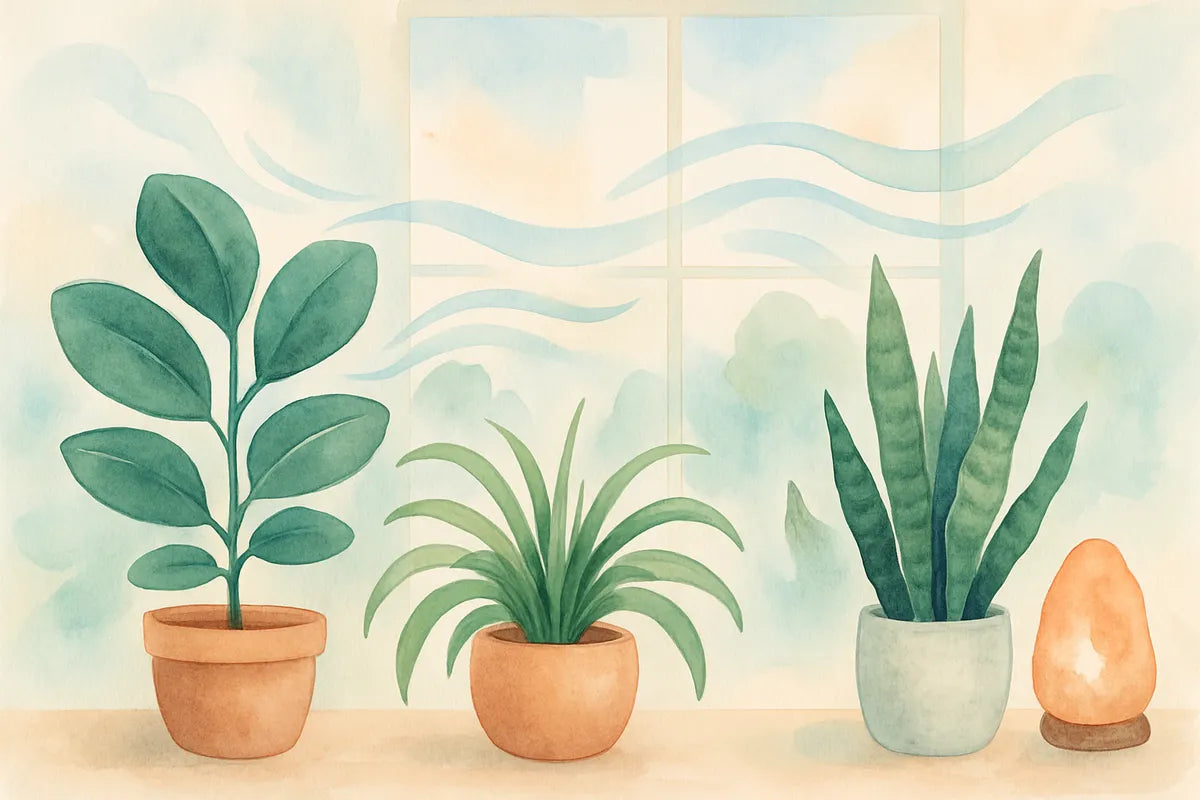
Natural Air Purifiers for Indoor Spaces Without Filters
Most modern air purifiers rely on disposable filters. While effective, they can be costly to maintain and generate waste. Luckily, nature has its own ways to clean the air. From specific plants to mineral-based purifiers and clever ventilation methods, there are several ways to freshen indoor air without a single filter.
This guide explores natural air purifiers that work without filters, explaining how they reduce indoor pollutants and how you can use them at home or in the office.
Why Indoor Air Quality Matters

Indoor air can contain up to five times more pollutants than outdoor air, according to the U.S. Environmental Protection Agency. Common culprits include volatile organic compounds (VOCs) from cleaning products, smoke, cooking fumes, mold spores, and pet dander. Poor air quality can lead to headaches, allergies, fatigue, and respiratory issues.
While traditional air purifiers can trap some of these particles, not everyone wants to spend money on filters or replace them every few months. That’s where natural alternatives come in.
How Natural Air Purifiers Work

Natural air purifiers don’t rely on fans or filters. Instead, they use biological or chemical processes to improve air quality. Think of them as passive systems that absorb, neutralize, or transform pollutants.
- Absorption - Some natural materials absorb airborne chemicals or odors, locking them away safely.
- Neutralization - Certain substances react with pollutants, breaking them down into harmless byproducts.
- Biological purification - Plants and microbes can metabolize toxins or produce oxygen, improving air composition.
Let’s look at some of the most reliable natural air purification methods you can use without filters.
1. Air-Purifying Plants

Plants are the most recognizable natural air purifiers. They absorb carbon dioxide, release oxygen, and, in some cases, remove toxic compounds from the air. While one plant won’t dramatically change a room’s air quality, a collection of them can make a real difference.
Best Plants for Naturally Cleaner Air
- Spider Plant (Chlorophytum comosum) - Known for its resilience and ability to remove formaldehyde and xylene.
- Snake Plant (Sansevieria trifasciata) - Filters out nitrogen oxides and keeps producing oxygen even at night.
- Peace Lily (Spathiphyllum) - Effective against mold spores and VOCs but needs shady, humid conditions.
- Bamboo Palm (Chamaedorea seifrizii) - Great for larger rooms and helps remove benzene and trichloroethylene.
According to research by NASA, certain indoor plants can help reduce airborne toxins. For best results, keep one medium-sized plant for every 100 square feet of space.
Care Tips for Effective Air Purification
- Keep leaves clean to avoid dust build-up that restricts absorption.
- Use well-draining soil to prevent mold growth.
- Avoid overwatering, as stagnant water can release unwanted odors.
2. Activated Charcoal and Bamboo Charcoal
Charcoal is a natural air purifier that’s been used for centuries. It’s highly porous, which means it can trap chemicals, odors, and moisture from the air.
How It Works
Activated charcoal has millions of tiny pores that adsorb pollutants - in other words, they stick to its surface rather than getting trapped in a filter. Once full, the charcoal can be reactivated by heating in sunlight or near low heat, depending on the product.
Bamboo charcoal bags are one of the most convenient options. They’re lightweight, affordable, and require minimal maintenance. You can place them in bedrooms, closets, or cars. Every few months, leave them in sunlight for a few hours to refresh their adsorption power.
For more details, you can read about how activated carbon works at the molecular level in scientific literature.
3. Beeswax Candles
While regular scented candles can release soot and chemicals, beeswax candles are a clean-burning alternative. As they burn, they release negative ions that attach to positively charged particles like dust, helping them settle out of the air.
They also have a gentle natural honey scent, so there’s no need for artificial fragrances. Light one or two candles in the evening to reduce airborne irritants such as dust and pet dander.
Keep in mind that beeswax candles don’t "filter" the air - they simply help pollutants fall out of circulation. Combine them with proper ventilation for best results.
4. Salt Lamps
Himalayan salt lamps are popular decorative pieces with a claimed ability to purify the air. They work on a similar principle as beeswax candles, releasing small amounts of negative ions when warmed by their internal bulb. These ions may bind to airborne particles, causing them to settle more quickly.
While science hasn’t confirmed dramatic air-cleaning effects, salt lamps can help control humidity in small areas and create a soothing ambiance. You can learn more about ion balance and air ions in environmental studies like those summarized by the National Center for Biotechnology Information.
5. Essential Oil Diffusers
Some essential oils have antimicrobial and deodorizing properties that can help freshen indoor air. Unlike filter-based purifiers, diffusers use ultrasonic vibrations to create a fine mist carrying plant compounds into the air.
Effective Oils for Fresher Air
- Eucalyptus - Known for clearing odors and helping with sinus congestion.
- Lemon - Promotes a clean scent and can reduce airborne bacteria.
- Tea Tree - Has strong anti-fungal and antibacterial effects.
- Lavender - Calms the mind and reduces stale odors.
Studies cited by Frontiers in Public Health suggest certain essential oils may reduce microbial activity indoors. Still, use oils carefully; excessive amounts can cause allergies or headaches, especially in sensitive people.
6. Natural Ventilation and Cross Breezes
One of the simplest and most effective natural air purifiers is fresh outdoor air. Opening windows for just 10 to 15 minutes a day can dramatically lower carbon dioxide levels and airborne contaminants.
Tips for Better Air Flow
- Open opposing windows to create a cross breeze.
- Use window fans to draw stale air out and pull fresh air in.
- Avoid airing out during peak traffic hours in polluted areas.
According to Lawrence Berkeley National Laboratory, proper ventilation is one of the most reliable ways to improve indoor air quality without machines or chemicals.
7. Clay, Zeolite, and Other Mineral Purifiers
Natural minerals such as zeolite and bentonite clay can absorb harmful gases and moisture. They’re often used in powder or bead form and placed in bowls or bags throughout the home.
Zeolite, in particular, has a honeycomb structure that traps ammonia, formaldehyde, and other volatile compounds. It works well in enclosed areas like refrigerators or bathrooms where humidity and odors collect.
You’ll find more detailed information about natural minerals and indoor air cleaning on resources like ArchDaily, which often covers sustainable material design and architecture.
8. Microbial Purifiers and Natural Green Walls
Living green walls go a step beyond potted plants. They integrate vegetation, soil, and sometimes microbial layers that actively break down toxins. The microbes living in the root zones metabolize organic compounds that traditional filters might miss.
Researchers at Sustainability Journal have found that biofiltration systems using plants and microbes can significantly reduce formaldehyde and ozone indoors. While installing a full green wall is costly, smaller desktop or wall-mounted versions work for small rooms or offices.
Maintaining a Naturally Clean Indoor Environment
Natural purifiers perform best when paired with simple healthy habits:
- Keep surfaces dust-free - wipe down shelves and window sills often.
- Avoid synthetic air fresheners and candles that release VOCs.
- Use natural cleaning products like vinegar, baking soda, and lemon juice.
- Vacuum regularly with a HEPA or sealed system vacuum to reduce dust buildup.
- Control humidity with dehumidifiers or natural moisture absorbers to prevent mold.
When Natural Methods Aren’t Enough
Natural air purifying methods can greatly improve comfort and freshness. However, if your space contains heavy pollutants, smoke, or mold, these solutions might not be sufficient. In those cases, mechanical purifiers or source control may be necessary. Use natural methods as maintenance rather than your only defense.
Conclusion
Natural air purifiers without filters offer a quiet, sustainable, and low-maintenance way to improve indoor air. From plants and charcoal bags to beeswax candles and better ventilation, these options rely on natural processes rather than machinery. They won’t replace industrial devices, but they can make your living space fresher, calmer, and healthier.
Start small: open windows daily, place a few charcoal bags in key spots, or bring in a couple of plants. Over time, you’ll notice your air feels cleaner and your space more alive - proof that nature still knows best when it comes to purification.