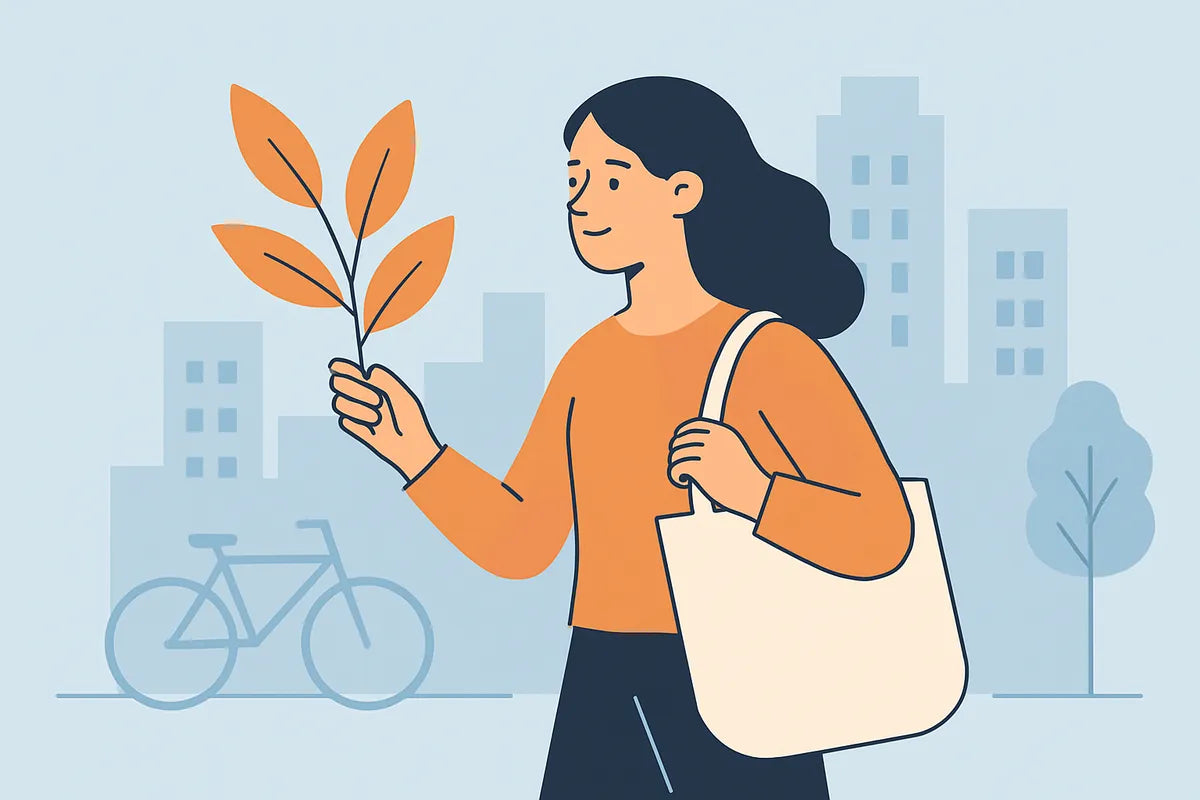
Nachhaltige Lebensweisen für Stadtbewohner: Praktische Wege zum Gedeihen in der Stadt
Nachhaltig in der Stadt zu leben kann wie eine Herausforderung erscheinen. Der Platz ist begrenzt, die Zeit ist knapp, und Bequemlichkeit überwiegt oft das Gewissen. Doch immer mehr Menschen möchten einen umweltfreundlichen Lebensstil führen, ohne ihre städtische Heimat zu verlassen. Die gute Nachricht ist, dass nachhaltiges städtisches Leben nicht nur möglich, sondern überraschend praktisch ist. Von Gründächern und lebenden Wänden bis hin zu öffentlichen Verkehrsmitteln und Radfahren können Stadtbewohner durch kleine, alltägliche Entscheidungen große Umweltgewinne erzielen. Dieser Leitfaden untersucht umsetzbare Ideen für ein nachhaltiges Stadtleben – einfache Schritte, die dauerhafte Veränderungen bewirken und dazu beitragen, städtische Nachhaltigkeit für alle aufzubauen.
Wie sieht nachhaltiges Leben für Stadtbewohner mit begrenztem Platz und begrenzter Zeit aus?

Nachhaltiges urbanes Leben im modernen Kontext definieren
Nachhaltiges urbanes Leben bedeutet, tägliche Entscheidungen zu treffen, die Ihren ökologischen Fußabdruck reduzieren und gleichzeitig Ihre Lebensqualität verbessern. Es geht darum, einen umweltfreundlichen Lebensstil an die städtischen Realitäten anzupassen – begrenzten Platz, hohe Bevölkerungsdichte und volle Terminkalender. Dazu gehören energieeffiziente Wohnungen, kohlenstoffarme Lebensgewohnheiten und ein intelligenteres Ressourcenmanagement. Für Stadtbewohner beginnt Nachhaltigkeit oft mit Bewusstsein: Achtsamkeit darauf, was man konsumiert, wie man sich bewegt und wohin der Abfall gelangt.
Bequemlichkeit mit bewussten Entscheidungen in Einklang bringen
Das Stadtleben ist schnelllebig, und Bequemlichkeit gewinnt oft. Aber nachhaltiges Stadtleben muss nicht bedeuten, auf Komfort zu verzichten. Der Wechsel zu erneuerbaren Energien in Städten, die Nutzung wassersparender Armaturen und Duschköpfe oder die Teilnahme an Gemeinschaftsgärten und Stadtfarmen können problemlos in einen modernen Zeitplan integriert werden. Selbst kleine Handlungen – wie die Wahl wiederverwendbarer Behälter oder die Reduzierung von Fast Fashion – reduzieren Abfall und fördern eine Zero-Waste-Mentalität.
Urbane Nachhaltigkeit und Klimaresilienz
Urbane Nachhaltigkeit geht über individuelle Handlungen hinaus. Sie hängt davon ab, wie Städte sich an den Klimawandel und den städtischen Wärmeinseln-Effekt anpassen. Wenn mehr Menschen in Städten Netto-Null-Lebensweisen praktizieren – durch Energieeffizienz, reduzierten Autogebrauch und grüne Infrastruktur – tragen wir zum Aufbau städtischer Klimaresilienz bei. Städte, die nachhaltiges Design umsetzen, wie das Hinzufügen von Gründächern und lebenden Wänden, profitieren von kühleren Temperaturen, sauberer Luft und gesünderen Gemeinschaften. Ziel ist es, nachhaltige Entscheidungen in den Alltag zu integrieren und sie nicht als nachträglichen Gedanken zu betrachten.
Welche nachhaltigen Lebensideen sind für Menschen, die in kleinen Wohnungen oder Eigentumswohnungen leben, am praktischsten?

Energieeffiziente Wohnungen und bewusster Konsum
Klein zu wohnen bedeutet nicht, dass man nicht nachhaltig leben kann. Beginnen Sie damit, die Effizienz Ihrer Wohnung zu verbessern. Verwenden Sie LED-Beleuchtung, ziehen Sie Stecker von Geräten, wenn sie nicht benutzt werden, und installieren Sie intelligente Steckdosenleisten. Diese einfachen Upgrades senken den Energieverbrauch ohne größere Umbauten. Wenn Ihr Gebäude es zulässt, ziehen Sie die Installation von Solarmodulen auf Dächern und Balkonen in Betracht. Selbst kompakte Systeme können einen Teil Ihres Strombedarfs decken. Laut dem U.S. Department of Energy sind kleine Solaranlagen eine der am schnellsten wachsenden erneuerbaren Energiequellen in Städten.
Kohlenstoffarme Lebensweise in Innenräumen
In einer Wohnung beginnt Ihr kohlenstoffarmer Lebensstil mit den täglichen Gewohnheiten. Entscheiden Sie sich für lokale Produkte, um die Emissionen durch den Lebensmitteltransport zu reduzieren. Kochen Sie öfter zu Hause, um Verpackungsmüll zu reduzieren. Wählen Sie langlebige, gut verarbeitete Produkte und recyceln oder spenden Sie Gegenstände, anstatt sie wegzuwerfen. Die Verwendung natürlicher Reinigungsmittel reduziert auch die Umweltverschmutzung in Innenräumen, verbessert die Luftqualität und schafft eine gesündere Wohnumgebung. Diese Maßnahmen passen zur breiteren Vision des grünen Stadtlebens – achtsamer Konsum, der sowohl Menschen als auch dem Planeten zugutekommt.
Maximierung des Platzes für grünes städtisches Leben
Selbst eine kleine Wohnung kann grünes urbanes Leben unterstützen. Investieren Sie in multifunktionale Möbel, um Unordnung zu minimieren und die Effizienz zu maximieren. Kompakte Komposteimer, intelligente Aufbewahrungslösungen und vertikale Pflanzenregale schaffen Platz für Nachhaltigkeit. Sie können sogar Kräuter oder Mikrogrün auf einer sonnigen Fensterbank anbauen. Das Leben auf kleinem Raum muss die Nachhaltigkeit nicht einschränken – es kann Kreativität und bewusstes Design inspirieren.
Wie können Stadtbewohner ihren CO2-Fußabdruck durch Pendel- und Transportentscheidungen reduzieren?

Öffentliche Verkehrsmittel und Radfahren als Kernstrategien
Der Verkehr ist einer der größten Verursacher städtischer Emissionen. Der Wechsel von privaten Autos zu öffentlichen Verkehrsmitteln und Fahrrädern ist eine der einfachsten Möglichkeiten, die urbane Nachhaltigkeit zu fördern. Städte auf der ganzen Welt haben in Radwege, zuverlässige Busnetze und erschwingliche U-Bahn-Systeme investiert. Diese Optionen reduzieren Staus, senken die Umweltverschmutzung und machen ein autofreies oder autoarmes Leben realistisch. Die Kombination von öffentlichen Verkehrsmitteln mit Gehen oder Radfahren schafft eine starke Grundlage für einen kohlenstoffarmen Lebensstil.
Autofreies oder autoarmes Leben für nachhaltiges Stadtleben
Autofreies oder autoarmes Leben geht über das tägliche Autofahren hinaus. Es ist ein Mentalitätswandel hin zu intelligenterer Mobilität. Car-Sharing-Programme, E-Scooter und Fahrgemeinschaftsdienste erleichtern die effiziente Fortbewegung, ohne ein Auto zu besitzen. Laut EPA-Daten emittiert ein typisches Personenfahrzeug jährlich etwa 4,6 Tonnen CO₂. Die Reduzierung des Autobesitzes trägt dazu bei, diese Emissionen drastisch zu senken und gleichzeitig Geld für Kraftstoff und Wartung zu sparen.
Unterstützung erneuerbarer Energien in Städten durch Mobilität
Elektrische öffentliche Busse, solarbetriebene Ladestationen und erneuerbare Energien in Städten verändern unsere Fortbewegung. Viele städtische Verkehrssysteme werden heute mit sauberen Energiequellen betrieben, wodurch jede Fahrt nachhaltiger wird. Wählen Sie, wenn möglich, öffentliche Verkehrsbetriebe, die in erneuerbare Infrastrukturen investieren. Je mehr Stadtbewohner diese Systeme unterstützen, desto schneller wird der städtische Verkehr Teil der Bewegung für ein Netto-Null-Leben in Städten.
Was sind einfache Möglichkeiten, um mit urbanem Gärtnern oder Containern auf einem Balkon oder einer Fensterbank zu beginnen?
Urbanes Gärtnern und Balkongärten für Anfänger
Urbanes Gärtnern und Balkongärten bringen Natur in enge Räume. Sie verbessern auch die Luftqualität, reduzieren den städtischen Wärmeinsel-Effekt und fördern das psychische Wohlbefinden. Beginnen Sie mit Pflanzen, die in Behältern gedeihen, wie Kräuter, Salat oder Kirschtomaten. Diese wachsen gut auf kleinem Raum und benötigen nur minimale Pflege. Sie brauchen keinen Garten – nur Sonnenlicht, gute Erde und regelmäßiges Gießen.
Containergärtnerei auf kleinem Raum
Containergärtnerei auf kleinem Raum funktioniert am besten, wenn Sie vertikal planen. Verwenden Sie Regale, Geländer-Pflanzgefäße oder Hängekörbe, um Sonnenlicht und Luftzirkulation zu maximieren. Wählen Sie leichte Töpfe mit guter Drainage. Wenn Ihr Balkon nur begrenzten Sonnenschein bekommt, probieren Sie schattenliebende Pflanzen wie Spinat oder Farne aus. Das Kompostieren von Küchenabfällen liefert kostenlosen Dünger. Dieses kleine System unterstützt Zero-Waste-Gewohnheiten und verwandelt organische Abfälle in eine wertvolle Ressource für Ihre Pflanzen.
Gemeinschaftsgärten und Stadtfarmen
Nicht jeder hat einen Balkon oder ein Fenster, das für Pflanzen geeignet ist. In diesem Fall treten Sie Gemeinschaftsgärten und Stadtfarmen bei. Viele Städte bieten inzwischen gemeinsame Grünflächen für Anwohner an, um gemeinsam Lebensmittel anzubauen. Diese Räume stärken soziale Bindungen, verbessern die lokale Ernährungssicherheit und stärken die städtische Klimaresilienz. Laut Initiativen des USDA für Gemeinschaftslebensmittel können städtische Gärten den Zugang zu frischen Produkten erheblich verbessern und die lokale Wirtschaft stärken.
Wie können Mieter in Städten ihre Wohnungen ohne größere Renovierungsarbeiten energie- und wassersparender gestalten?
Tipps zur Energieeffizienz für Mieter
Mieter denken oft, dass sie keine großen Änderungen vornehmen können, aber kleine Verbesserungen summieren sich. Verwenden Sie Zugluftstopper und Thermovorhänge, um die Isolierung zu verbessern. Ersetzen Sie alte Glühbirnen durch LEDs und installieren Sie, falls erlaubt, intelligente Thermostate. Ziehen Sie elektronische Geräte aus der Steckdose, wenn sie nicht verwendet werden, und verwenden Sie energieeffiziente Geräte. Diese Schritte senken die Rechnungen und reduzieren den Energiebedarf – wichtige Aspekte eines nachhaltigen Stadtlebens. Mieter können Vermieter auch nach grünen Energieprogrammen oder dem Wechsel zu Anbietern erneuerbarer Energien fragen, wo verfügbar.
Wassersparende Armaturen und sparsame Duschköpfe
Die Installation von wassersparenden Armaturen und sparsamen Duschköpfen ist eine der einfachsten Möglichkeiten, Wasser zu sparen. Viele Modelle lassen sich einfach auf bestehende Armaturen schrauben und sind somit mieterfreundlich. Laut dem EPA WaterSense Programm kann der Wechsel zu sparsamen Armaturen den Wasserverbrauch im Haushalt um bis zu 30 % senken. Das Sammeln von Grauwasser für Pflanzen oder die Verwendung einer kleinen Regentonne (falls Ihr Gebäude dies zulässt) unterstützt zusätzlich ein nachhaltiges Stadtleben.
Praktische Abfallreduzierung und Zero-Waste-Gewohnheiten
Abfallreduzierung beginnt damit, weniger zu kaufen und besser auszuwählen. Kaufen Sie in großen Mengen, um Verpackungen zu reduzieren, Behälter wiederzuverwenden und richtig zu recyceln. Kompostieren Sie Essensreste, wenn möglich, oder suchen Sie nach Gemeinschafts-Kompoststellen. Die Annahme von Zero-Waste-Gewohnheiten hilft, Deponieabfälle zu reduzieren und eine Kreislaufwirtschaft zu fördern. Der Schlüssel ist Beständigkeit – kleine, stetige Verbesserungen schaffen einen dauerhaften kohlenstoffarmen Lebensstil.
Design und Architektur für nachhaltiges Stadtleben
Gründächer und lebende Wände zur Minderung des urbanen Wärmeinseln-Effekts
Moderne Architektur spielt eine entscheidende Rolle bei der Reduzierung des städtischen Wärmeinseln-Effekts. Gründächer und lebende Wände isolieren Gebäude, absorbieren Regenwasser und kühlen die Umgebungsluft. Laut Architekturforschung können diese Merkmale die Dachtemperaturen im Vergleich zu herkömmlichen Materialien um bis zu 30 °C senken. Für dicht besiedelte Städte ist die Integration von Grünflächen in die Infrastruktur nicht nur ästhetisch – sie ist unerlässlich für die städtische Klimaresilienz und eine verbesserte Luftqualität.
Gebäudedesign und Netto-Null-Wohnen in Städten
Fortschritte im Design machen das Netto-Null-Wohnen in Städten erreichbar. Neue Gebäude verwenden Solarmodule auf Dächern und Balkonen, effiziente Isolierung und intelligente Energiesysteme, um Emissionen zu minimieren. Die Nachrüstung bestehender Wohnungen mit energieeffizienten Fenstern und Beleuchtung kann alte Strukturen näher an Netto-Null-Standards bringen. Diese Innovationen bilden das Rückgrat des grünen Stadtlebens und unterstützen langfristige städtische Nachhaltigkeit.
Gemeinschaftsaktionen, die die städtische Nachhaltigkeit stärken
Gemeinsame Ressourcen und nachhaltige Gemeinschaften
Jenseits individueller Handlungen gedeiht nachhaltiges Stadtleben durch kollektive Anstrengungen. Gemeinsame Räume wie Werkzeugbibliotheken, Co-Working-Hubs und Carsharing-Netzwerke reduzieren Abfall und fördern die Zusammenarbeit. Diese Systeme machen nachhaltiges urbanes Leben inklusiver und erschwinglicher. Sie fördern auch die Widerstandsfähigkeit der Gemeinschaft – Menschen, die zusammenarbeiten, um lokale Herausforderungen zu lösen, von Lebensmittelverschwendung bis hin zur Energieeffizienz.
Lokale Politik und Unterstützung für erneuerbare Energien in Städten
Stadtregierungen beeinflussen die Nachhaltigkeit auf größerer Ebene. Politiken, die erneuerbare Energien in Städten fördern, den öffentlichen Nahverkehr ausbauen oder energieeffiziente Bauweisen vorschreiben, helfen den Bewohnern, umweltfreundlicher zu leben. Die Unterstützung dieser Initiativen durch bürgerschaftliches Engagement oder die Teilnahme an öffentlichen Planungsversammlungen stellt sicher, dass lokale Prioritäten mit Umweltzielen übereinstimmen. Je mehr Bürger sich engagieren, desto schneller können Städte zu einem Netto-Null-Leben übergehen.
Alltägliche Gewohnheiten, die einen kohlenstoffarmen Lebensstil unterstützen
Achtsamer Konsum und Abfallreduzierung
Jeder Kauf hat einen Umweltpreis. Der Kauf von Secondhand-Waren, das Reparieren statt Ersetzen und die Minimierung von Einwegplastik tragen alle zu einem kohlenstoffarmen Lebensstil bei. Diese Gewohnheiten fördern eine Zero-Waste-Mentalität und reduzieren die Belastung der städtischen Abfallwirtschaftssysteme. Apps, die Nachbarn miteinander verbinden, um überschüssige Lebensmittel oder Haushaltsgegenstände zu teilen, sind eine weitere einfache Möglichkeit, in einem städtischen Umfeld nachhaltig zu leben.
Unterstützung lokaler Unternehmen und Gemeinschaftsgärten
Der Kauf vor Ort lässt das Geld in der Gemeinde zirkulieren und reduziert die Transportemissionen. Die Unterstützung von Bauernmärkten, lokalen Handwerkern und kleinen Lebensmittelgeschäften stärkt die städtische Widerstandsfähigkeit. Die Teilnahme an Gemeinschaftsgärten und Stadtfarmen verbindet Sie mit Ihrer Nahrungsquelle und stärkt soziale Bindungen. Zusammen schaffen diese Gewohnheiten eine Grundlage für ein nachhaltiges Stadtleben, das auf Verbindung und Fürsorge basiert.
Technologie und Innovation für nachhaltiges urbanes Leben
Smart Home Tools für energieeffiziente Wohnungen
Smarte Technologie kann energieeffiziente Wohnungen noch nachhaltiger machen. Geräte wie programmierbare Thermostate, Energiemonitore und automatisierte Beleuchtungssysteme passen den Verbrauch an die Belegung an. Laut Daten der Internationalen Energieagentur könnten digitale Tools die weltweite Stromnachfrage innerhalb des nächsten Jahrzehnts um bis zu 10 % senken. Für Stadtbewohner bedeutet dies mehr Kontrolle und geringere Emissionen, ohne auf Komfort verzichten zu müssen.
Städtische Daten und Klimaresilienz
Die Smart-City-Infrastruktur nutzt Daten, um die Klimaresilienz in Städten zu verbessern. Sensoren erfassen Luftqualität, Verkehrsfluss und Energieverbrauch und helfen Planern, effizientere Systeme zu entwerfen. Dieser digitale Ansatz unterstützt ein nachhaltiges urbanes Leben, indem er Städte reaktionsfähiger und anpassungsfähiger macht. Wenn die Bewohner Technologie mit bewussten Gewohnheiten verbinden, werden Städte zu lebenden Ökosystemen der Nachhaltigkeit.
Die Zukunft des grünen urbanen Lebens
Integration von Natur und Technologie
Die erfolgreichsten nachhaltigen Städte verbinden Natur mit Technologie. Parks, Gründächer und erneuerbare Energiesysteme existieren neben digitalen Netzwerken und datengesteuerter Planung. Diese Integration reduziert den urbanen Wärmeinseln-Effekt, verbessert die Lebensqualität und stärkt das Umweltbewusstsein. Die Zukunft des grünen Stadtlebens hängt davon ab, Innovation mit Ökologie in Einklang zu bringen – Städte zu entwerfen, die mit der Natur zusammenarbeiten, nicht gegen sie.
Aufbau städtischer Klimaresilienz für zukünftige Generationen
Städte sind die Heimat von mehr als der Hälfte der Weltbevölkerung, was die Klimaresilienz in Städten für unsere gemeinsame Zukunft entscheidend macht. Investitionen in nachhaltige Infrastruktur, erneuerbare Energien in Städten und gemeindebasierte Lösungen stellen sicher, dass zukünftige Generationen lebenswerte, lebendige Umgebungen erben. Indem wir heute ein nachhaltiges urbanes Leben annehmen, tragen wir zu gesünderen, widerstandsfähigeren Städten von morgen bei.
Fazit: Ein nachhaltiges Stadtleben gestalten, das zu Ihnen passt
Nachhaltiges Leben für Stadtbewohner geht nicht um Perfektion – es geht um Fortschritt. Jede kleine Handlung, vom Gebrauch wassersparender Armaturen bis zum Fahren mit öffentlichen Verkehrsmitteln, summiert sich zu einer sinnvollen Veränderung. Einen umweltfreundlichen Lebensstil in der Stadt zu führen bedeutet, Bequemlichkeit zu überdenken und zu schaffen