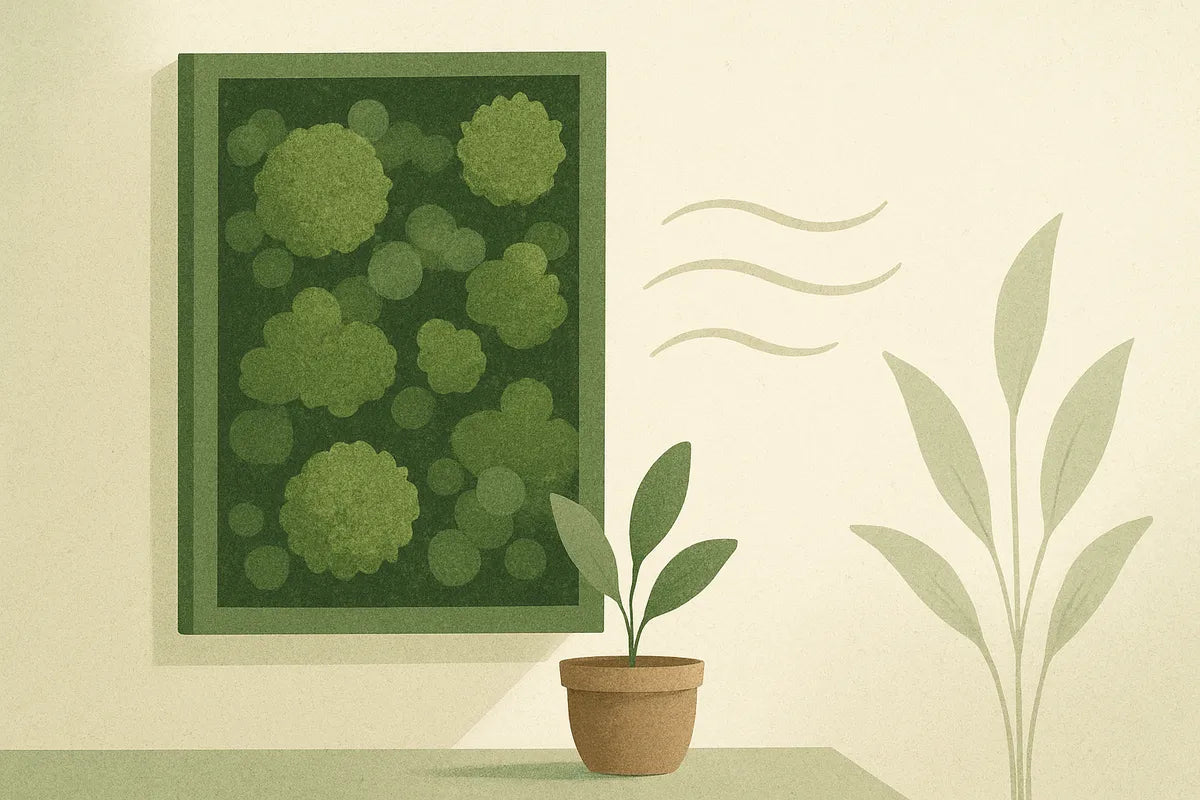
Low Maintenance Moss Wall for Air Purification: Bring Nature Indoors Sustainably
Bringing nature indoors has become a hallmark of modern, eco-friendly interior design. One of the most visually striking and sustainably practical ways to do it is with a low maintenance moss wall. Whether it’s live moss or preserved moss, these lush green installations do more than decorate a wall. They help filter pollutants, balance humidity, and promote a calm sense of biophilic connection. This article explains how moss walls improve air quality, the difference between live and preserved moss, the installation process, and how to keep them thriving indoors with almost no maintenance.
Understanding the Moss Wall Trend and Its Eco-Friendly Appeal

A moss wall is a vertical garden composed of either live moss or preserved moss attached to a backing board or frame. Because it uses natural materials, it fits perfectly into any eco-friendly design that aims to bring nature indoors. Office spaces, cafés, and homes around the world have adopted moss walls not just as decorative pieces but as living air filters that help clean and refresh indoor environments.
Why People Love Preserved and Live Moss Walls
Preserved moss is real moss that’s been treated with a natural preservative to maintain its softness and color without the need for water or sunlight. Live moss, on the other hand, continues to grow and absorb natural pollutants, helping to purify air more actively. Both provide an effortless way to add greenery while keeping maintenance low. They bring the calm of nature indoors while transforming dull spaces into soothing environments that enhance productivity and well-being.
The Role of Biophilic Design
Biophilic design connects people with nature in built environments. A moss wall perfectly expresses that concept because it softens the hard surfaces typical in indoor spaces. The gentle textures and vibrant greens help reduce stress and improve concentration, creating a sense of balance that few other decorative elements can offer.
How Moss Walls Improve Indoor Air Quality and Air Purification

Good air quality inside matters more than ever, as pollutants from paints, plastics, and furniture can add up. Moss walls contribute to air purification in a natural way. Live moss absorbs tiny airborne particles through its surface cells and uses them as nutrients. It acts as a natural air filter that captures pollutants and converts carbon dioxide to oxygen, helping to create fresher, cleaner air indoors.
Do Moss Walls Purify Air?
Yes, they can - especially when made from live moss. While preserved moss walls don’t actively filter air because the moss is no longer alive, they still help stabilize humidity and trap dust, acting as a passive air filter. Live moss walls, however, are small natural ecosystems. They absorb nitrogen oxides and volatile organic compounds (VOCs), helping reduce pollutants found in common household materials. According to scientific research, natural plants including mosses can contribute to cleaner air through biological and physical filtration.
For maximum impact on air purification, many designers combine preserved moss for texture with live moss sections for functionality. The result transforms your space visually and enhances the natural air balance indoors.
Interaction Between Moss and Indoor Humidity
Moss naturally helps regulate moisture levels. It absorbs excess water vapor when the air is humid and releases it when dry. This gentle, self-regulating trait supports comfortable living and minimizes static or stale conditions. It’s part of the reason why moss walls feel so refreshing to stand near - they create microclimates that sustain healthy air quality naturally.
Live Moss vs Preserved Moss Wall: Which Is Right for You?

Benefits of Live Moss Walls
Live moss walls grow with minimal light and a light misting routine. They continuously purify air, releasing a clean natural scent you can’t get from synthetic devices. Because they’re living organisms, they respond to environmental changes, giving a subtle sense of life and movement to your room.
Benefits of Preserved Moss Walls
Preserved moss walls need no water, light, or trimming. Since the moss is stabilized, it keeps its lush look for years with almost zero maintenance. It’s ideal for offices, lobbies, and enclosed areas where natural light or ventilation may be limited. A preserved moss wall is a great alternative for those who love greenery but don’t want the responsibility of a plant that needs care.
Which One Fits Your Indoor Environment?
For cleaner air and a hands-on connection to nature indoors, choose live moss. For a sustainable design statement with low upkeep, go for preserved moss. Some designers use a hybrid approach, layering textures of both to create an artistic, multidimensional surface. Either way, both types can transform your space while keeping your indoor environment eco-friendly and naturally calming.
Installation Guide: Bringing Your Moss Wall to Life Indoors
Key Steps for Moss Wall Installation
- Choose a wall with stable humidity and no direct sunlight exposure.
- Select your moss type - live or preserved moss depending on air purification goals.
- Use an anti-moisture backboard or frame for durability.
- Attach the moss securely using non-toxic adhesives or pins.
- For live moss, add a misting system or ensure regular manual mist care.
Proper installation determines how your moss wall performs. For larger installations, consulting a professional who specializes in biophilic interiors ensures a result that lasts and remains healthy.
Placement Tips for Better Air Quality
Install moss walls where natural air flow can circulate, such as hallways, living rooms, or near HVAC outlets. This helps them blend aesthetics with real air purification benefits. Avoid placing them near direct heat or full sunlight, which can harm live moss and dry out preserved moss prematurely.
Common Questions About Moss Walls
Do Moss Walls Purify Air? (Detailed Answer)
Live moss walls act as a gentle natural air filter that removes particles and pollutants. According to studies from environmental research groups, moss can absorb carbon dioxide and some heavy metals, contributing to better indoor air quality. Live moss photosynthesizes, turning carbon dioxide into oxygen, while trapped dust and allergens are reduced as air passes through its surface. This continuous cycle supports a healthier, fresher environment, especially in sealed indoor settings.
Preserved moss walls, while beautiful, no longer carry out biological air purification because they’re not alive. Yet they still support air comfort by balancing humidity, reducing noise, and psychologically connecting occupants to nature indoors. Adding even a modest moss wall near your workspace can improve your perception of natural air freshness and boost focus and productivity.
Is There a Downside to a Moss Wall?
Every natural feature has limits. For preserved moss, the main downside is that it doesn’t actively clean air. It also requires stable indoor humidity - if indoor air becomes too dry, preserved moss may stiffen and lose its velvety texture. Light misting or a humidifier can solve this.
Live moss requires periodic care, such as misting with water to prevent drying out and checking for mold in excessively humid areas. Installation can be more complex, and large walls may need humidity controls. However, these trade-offs are minor when balanced against the benefits of cleaner air, lush greenery, and an eco-friendly visual statement. Using moss sustainably ensures it remains a truly green solution in every sense.
Do Moss Walls Require Maintenance?
Not much at all. A preserved moss wall is virtually maintenance-free, requiring no trimming, water, or soil replacement. Simply keep it away from direct sunlight and heaters.
Live moss walls need light misting with water once or twice a week, depending on air conditions. They don’t need soil, fertilizers, or complex systems, making them considerably simpler than potted plants. Regular light cleaning can remove dust that may accumulate over time. If properly installed and given the right moisture, both types will look vivid and fresh for many years.
That low-maintenance nature is why more builders and homeowners turn to moss walls for sustainable design. They transform your space, purify air naturally, and require minimal ongoing effort.
How Moss Walls Transform Your Space and Productivity
The Psychological Benefits of Greenery Indoors
Research from environmental psychology studies shows that exposure to natural greenery improves mood, lowers stress, and increases productivity. By bringing moss into indoor spaces, you reintroduce color, texture, and the calming patterns of nature indoors. It’s an easy way to support focus and creativity, especially in workspaces or learning environments.
Biophilic Design as a Long-Term Sustainable Choice
Unlike synthetic decorations, moss walls are made from real, responsibly harvested materials. Many suppliers now grow or collect moss sustainably, ensuring no damage to natural ecosystems. This makes every preserved moss wall or live moss installation a long-lasting, eco-friendly feature that values the planet while elevating your interiors.
Conclusion: A Natural Path to Cleaner, Calmer Living
Installing a low maintenance moss wall combines aesthetics, sustainability, and air purification in one smart solution. Live moss walls naturally improve air quality by filtering pollutants, while preserved moss offers long-lasting beauty without water or light needs. Both options help bring nature indoors, creating calm, productive environments filled with greenery and purified natural air. Whether you want to refresh your home office, create an eco-friendly lobby, or simply enjoy a piece of the forest inside, a moss wall can transform your space with minimal effort and lasting environmental value.