Preserved Moss Wall: Natural Art That Brings Calm and Color Indoors
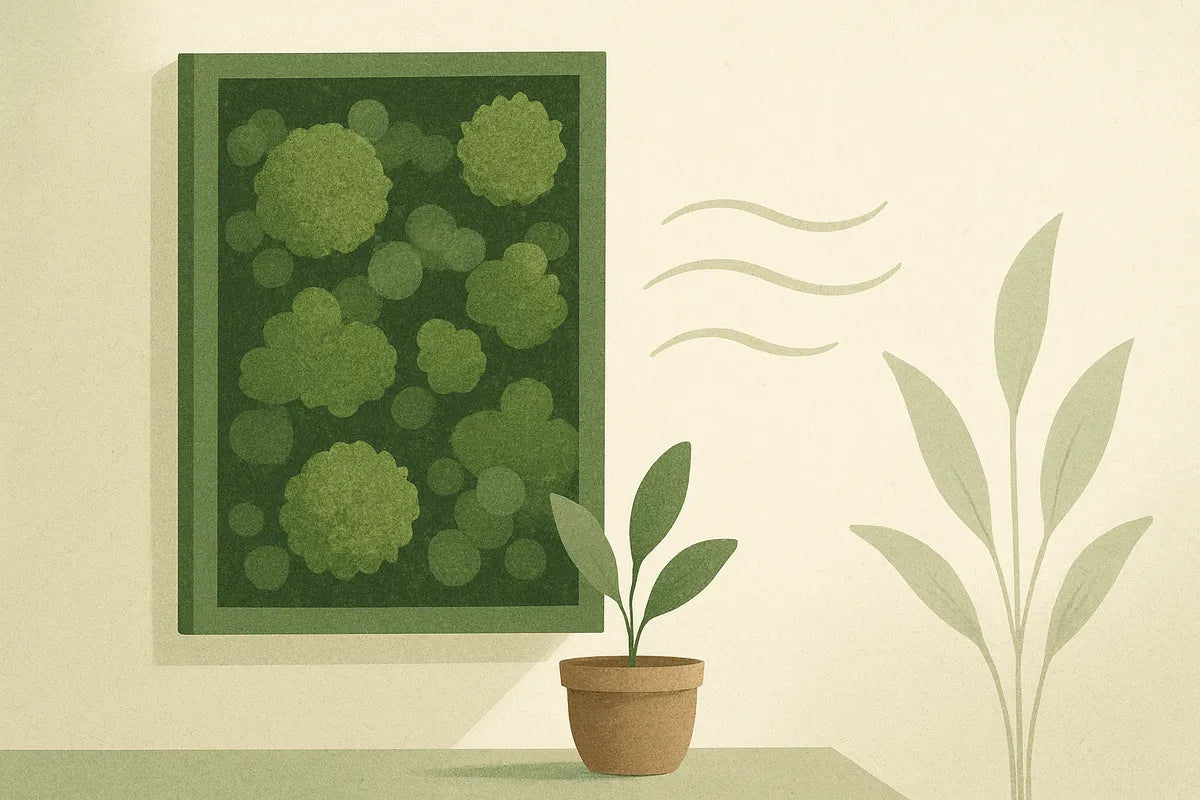
A preserved moss wall blends nature and design into one simple piece of living decor - though it's not actually alive. With no need for watering, trimming, or sunlight, it offers the soothing look of greenery without the work of a garden. From moss wall art in private homes to large installations in offices, this form of moss art has become one of the most popular ways to add texture and calm to a space. This guide explains what preserved moss is, how it’s made, and how you can create your own framed moss wall art that lasts for years with almost zero maintenance.
Understanding Preserved Moss Wall Art and Its Appeal

What Makes Preserved Moss Unique
Preserved moss is real moss that’s been treated to maintain its soft texture and color. The process replaces its natural moisture with a safe solution, often glycerin-based, locking in its flexibility and hue. This means it keeps the lush look of live moss without needing soil, water, or sunlight. It’s ideal for creating moss wall art that stays vibrant even in dark indoor spaces.
Benefits of Moss Wall Decor
A preserved moss wall doesn’t just look good - it also softens noise, adds texture, and brings a touch of biophilic design into a room. Homes, cafés, and offices use moss walls to create a calm, natural vibe. Since there’s no upkeep, it’s perfect for busy spaces where live plants wouldn’t survive. Combined with simple frames or crafted shapes, moss art easily adapts to modern or rustic interiors.
Does Moss Damage Walls?

Safe Setup Using Frames and Backing
Many people wonder whether moss will harm the walls behind it. The good news: preserved moss doesn’t damage surfaces when it’s installed correctly. Instead of attaching moss directly to the wall, it’s mounted on a lightweight frame or stable panel. This setup protects your wall and allows airflow. Most DIY kits and professional installations use materials like cork, foam boards, or wood panels as backing.
Preventing Moisture Problems
Because preserved moss doesn’t need water, it doesn’t hold excess moisture like live moss. That’s why it won’t cause rot or mold on interior walls. As EPA guidelines on indoor moisture control confirm, mold growth only occurs when dampness persists. So long as your preserved moss remains dry and your wall is clean and sealed, you’ll never have a problem.
Can You Preserve Moss Yourself?

Gathering and Preparing the Moss
You can preserve moss at home, though professional moss makers achieve the best results. To do it yourself, collect reindeer moss or sheet moss from a pesticide-free area. Clean any dirt and debris carefully with cool water and let it dry slightly. Place it in a solution of glycerin and warm water (one part glycerin to two parts water) for a few hours. Afterward, remove and allow it to dry naturally. This process maintains flexibility and color, though the shades may fade slightly without added eco-friendly dye.
What Type of Moss Works Best
Reindeer moss is the most popular type because of its soft, lichen-like structure and bright tone. It’s also easy to shape into art forms or add to a natural frame. According to environmental studies, reindeer moss grows slowly, so always harvest responsibly or buy from sustainable suppliers.
How to Make a Preserved Moss Wall
Tools and Materials
Before you start, gather these items:
- A wood or metal frame or panel
- Preserved reindeer moss or mixed preserved moss types
- Non-toxic adhesive (hot glue or floral glue)
- Backing board (foam or cork)
- Optional: wood trim or border decor
Step-by-Step Instructions
- Attach your backing board inside the frame.
- Arrange the moss to test your layout and color balance.
- Glue the preserved moss in small sections to ensure full coverage.
- Press firmly and allow it to dry for several hours.
- Hang the completed moss wall on a clean, dry wall with adequate support.
This kind of moss wall art can cover a full wall or fit inside small frames as portable decor. You can even mix in bark, stones, or dried flowers for texture. Tutorials from DIY experts offer creative ideas for home projects.
How to Make Preserved Moss Wall Art
Designing With Texture and Color
For moss art that feels like fine wall sculpture, think about contrast and flow. Use varied moss textures - for instance, combine flat green patches with clusters of reindeer moss. Surround it with a dark wood frame to sharpen the colors. A mix of greens and yellows can bring a quiet depth to any space.
Lighting and Display
Even though preserved moss doesn’t need sunlight to stay green, soft ambient lighting showcases its texture. Avoid direct light sources or heat vents to keep its form intact. A preserved moss wall looks striking in entryways, behind a sofa, or as restaurant decor. As interior design professionals note, these installations add both calm and identity to a room.
How Long Do Preserved Moss Walls Last?
Longevity and Maintenance
With no need for water or trimming, preserved moss walls are among the lowest-maintenance interior art pieces available. Many installations last 8–10 years or more when kept indoors. You can gently dust them with a soft brush once in a while, but no major care is required.
Factors That Affect Lifespan
Avoid excess humidity or direct sunlight, which can fade the moss over time. High-traffic spaces may need retouching if parts become compressed. Otherwise, your preserved moss wall will stay lush for years - a long-lasting, sustainable piece of living-inspired art that doesn’t demand daily upkeep. For example, green design specialists suggest that preserved moss installations keep 90% of their texture if kept between 40%–60% indoor humidity.
Final Thoughts: Why a Preserved Moss Wall Fits Any Space
A preserved moss wall merges art, nature, and interior design in the simplest form. With its soft organic color, it transforms a space without needing water, sunlight, or constant maintenance. Whether in a small frame above a desk or stretched across a restaurant wall, moss wall art brings calm and texture to any decor style. It’s one of those rare design pieces that stays timeless while speaking to our growing need for natural balance indoors.