Best Indoor Plants for Air Quality Improvement (and How to Actually Get Results)
Houseplants make a room feel calmer. They soften hard edges, add color, and give you something living to care for. But can the best indoor plants for air quality improvement really make a difference?
They can help, but not in the magical way social posts sometimes claim. Plants can trap dust on their leaves, raise humidity a bit, and in some cases break down small amounts of indoor chemicals. Still, if your goal is cleaner air, you’ll get the best results when you pair plants with basic indoor air habits: good ventilation, source control (less smoke, fewer harsh cleaners), and smart cleaning.
This guide covers indoor plants that are easy to live with and most likely to help your air feel fresher, plus practical care tips so they thrive.
Do indoor plants improve air quality?

Yes, but with limits. Lab studies show plants can remove certain volatile organic compounds (VOCs) in sealed chambers. Real homes have air exchange, many sources of pollution, and far more air volume. That means plants are a small helper, not a full fix.
For the big picture on indoor air, the EPA’s indoor air quality guidance gives clear, plain steps: ventilate, reduce sources, and clean smart. Plants fit best as one part of that plan.
What plants can do well
- Catch some dust and fine particles on leaf surfaces (you remove them when you wipe the leaves).
- Raise indoor humidity a little through transpiration, which can ease dry air in winter.
- Support a “cleaner feeling” space because you tend to care for the room more when you care for the plant.
What plants can’t do on their own
- Replace ventilation, a kitchen range hood, or a good air purifier.
- Fix mold, smoke, gas leaks, or strong chemical exposure.
- Outperform source control (the fastest path to cleaner indoor air is removing the pollutant).
How to choose the best indoor plants for air quality improvement
Don’t pick plants just because they made a “top 10” list. Pick plants that will stay alive in your home. A thriving plant has more leaf area, more root activity, and less chance of moldy soil.
Use this quick checklist
- Light: Match the plant to your brightest window, not your wish.
- Water habits: If you overwater, pick drought-tough plants. If you forget, same.
- Leaf area: More leaf surface can catch more dust.
- Pet and kid safety: Many common houseplants can irritate pets if chewed.
- Soil health: Choose pots with drainage holes to cut the risk of fungus gnats and musty smells.
If you want a deeper, plant-by-plant view of VOC research (and the limits of it), the University of Minnesota Extension summary gives a balanced take.
Top indoor plants that can help your air feel cleaner
Below are reliable choices people actually keep alive. You’ll also find care notes that matter for air quality, like leaf cleaning and avoiding soggy soil.
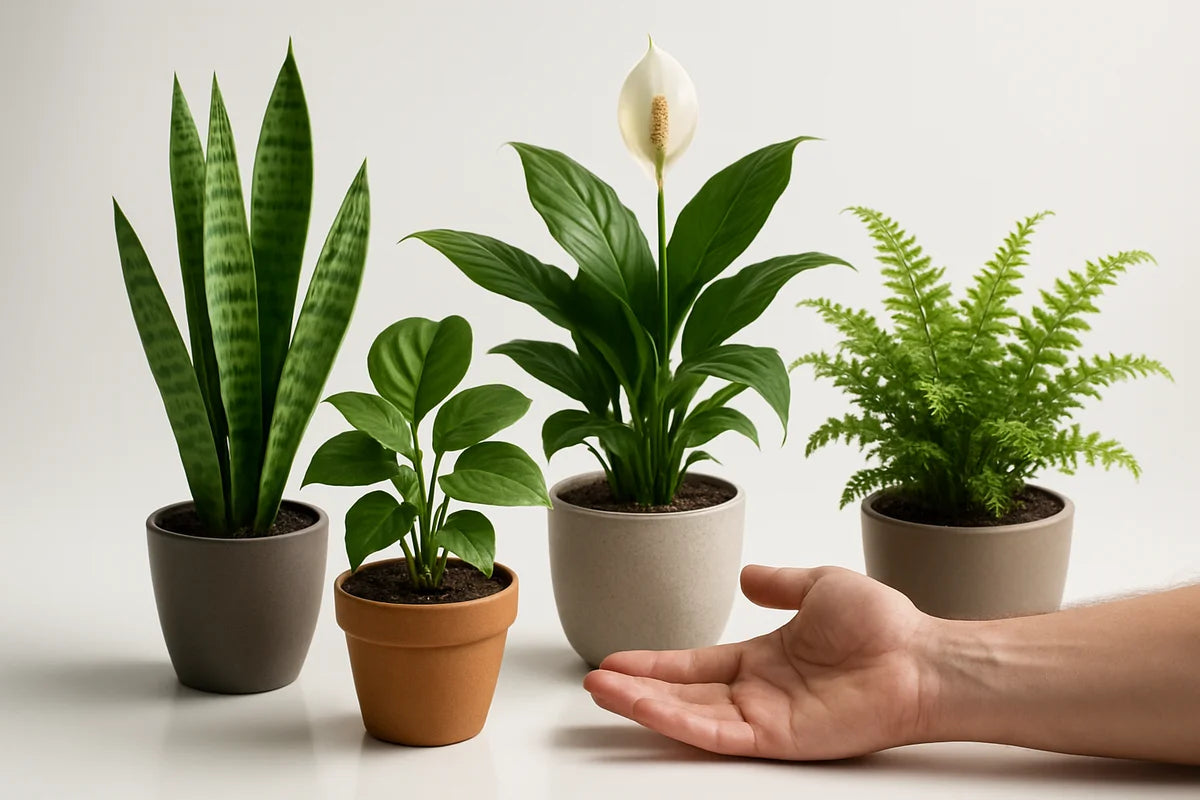
1) Snake plant (Sansevieria, now Dracaena trifasciata)
Snake plants handle low light, missed waterings, and dry air. Their upright leaves collect dust like a natural filter. Wipe them every couple of weeks and you’ll remove that dust from the room.
- Light: Low to bright indirect
- Water: Let soil dry out most of the way
- Air-quality angle: Easy to keep clean; low risk of moldy soil if you don’t overwater
2) Pothos (Epipremnum aureum)
Pothos grows fast, which means lots of leaf area in a short time. Train it along a shelf or let it trail. It also tolerates indoor conditions better than many “fussy” plants.
- Light: Medium to bright indirect (it survives low light but grows slower)
- Water: When top inch of soil feels dry
- Air-quality angle: High leaf mass for the effort; great starter plant
3) Peace lily (Spathiphyllum)
Peace lilies like steady moisture and medium light. They can help raise humidity, which some people notice in heated rooms. Keep the soil evenly moist, not soaked.
- Light: Medium to bright indirect
- Water: Don’t let it fully dry; empty the saucer so roots don’t sit in water
- Air-quality angle: Humidity support; broad leaves that trap dust
4) Spider plant (Chlorophytum comosum)
Spider plants are tough and fast, and they produce “babies” you can pot up. More plants in more rooms can beat one big plant in a single corner.
- Light: Bright indirect to medium
- Water: Keep lightly moist; it bounces back if you miss a watering
- Air-quality angle: Easy to multiply so you can spread greenery around the home
5) Rubber plant (Ficus elastica)
Rubber plants grow into small indoor trees with wide, glossy leaves that are easy to wipe. If you want a bold plant that also acts like a dust magnet, this is a strong pick.
- Light: Bright indirect (some direct sun is fine if you ease it in)
- Water: When top 2 inches dry
- Air-quality angle: Big leaves, easy leaf cleaning, strong visual payoff
6) Areca palm (Dypsis lutescens)
Palms add a lot of leaf surface and can raise humidity. Areca palms need decent light and steady care, but they reward you with a fuller canopy than many other indoor plants.
- Light: Bright indirect
- Water: Water when the top layer dries; don’t let it stay soggy
- Air-quality angle: Helps with dry-air comfort; lots of fronds for dust capture
7) Boston fern (Nephrolepis exaltata)
Ferns can boost humidity, but they demand it too. If your home runs dry, place a Boston fern in a bathroom with a window or near a humidifier. If you let it dry out often, it will shed.
- Light: Bright indirect
- Water: Keep soil lightly moist
- Air-quality angle: Humidity support when you meet its needs
8) English ivy (Hedera helix)
English ivy can work indoors, especially in cooler rooms with bright light. It can also be finicky and may drop leaves if it dislikes the spot. Keep it out of reach of kids and pets who chew plants.
- Light: Bright indirect to some direct sun
- Water: When top inch dries
- Air-quality angle: Good leaf coverage; works well in hanging pots near bright windows
Where to place plants for better indoor air
Placement matters more than most people think. A healthy plant in the right spot beats a stressed plant in the wrong one.
Use plants where air problems start
- Near entryways: Plants can catch tracked-in dust, especially if you also use a good doormat.
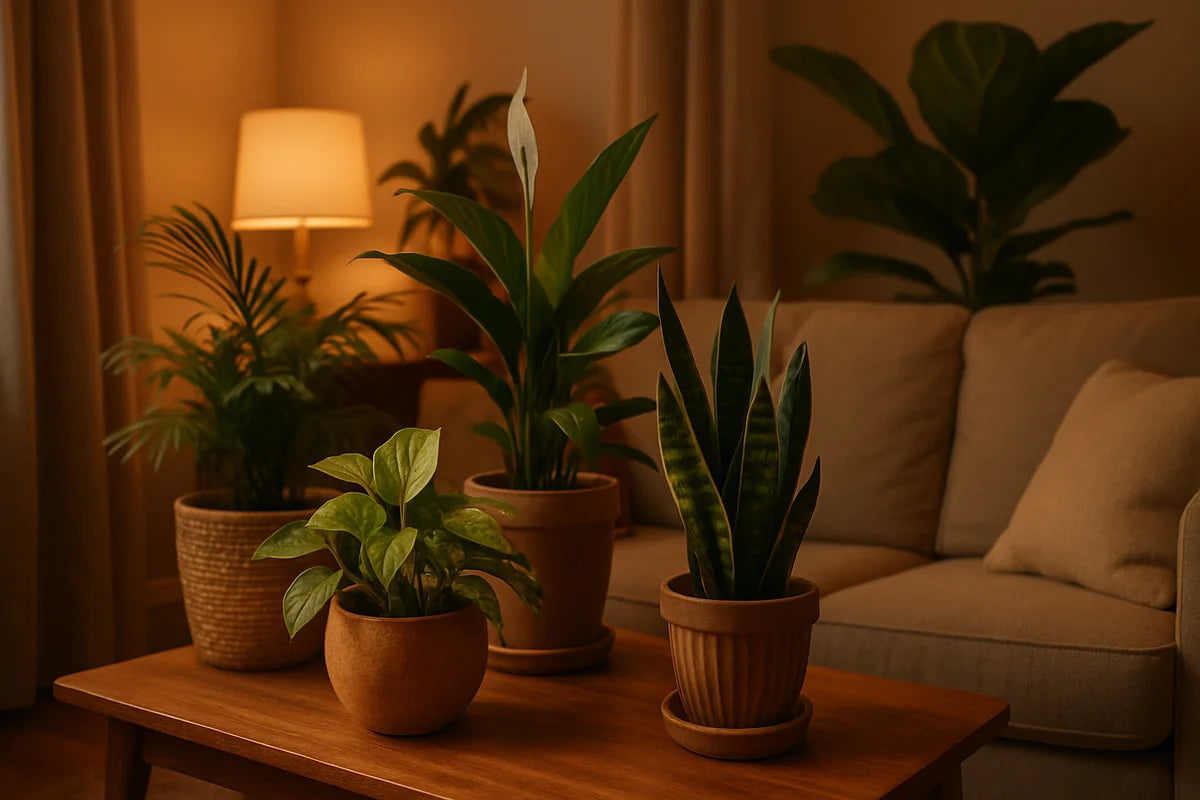
- Living rooms: More time spent here means you’ll notice comfort changes more.
- Home offices: Add one or two plants within sight, but don’t block vents.
- Bathrooms: Ferns and peace lilies often do well if there’s some natural light.
Avoid these placement mistakes
- Stuffing plants into dark corners and overwatering to “make up for it.” That can lead to sour soil and gnats.
- Blocking HVAC returns or supply vents. You want air to circulate.
- Placing plants right above radiators or heat vents that dry them out fast.
Care habits that make plants better “air helpers”
If you want the best indoor plants for air quality improvement to do their part, keep them clean and keep the soil healthy. Dusty leaves and damp soil work against you.
1) Clean the leaves (this is the big one)
Dust sticks to leaves. That’s good until it builds up. Wipe broad leaves with a damp cloth every two weeks. For small leaves, rinse in the shower with lukewarm water and let the plant drain well.
2) Don’t let soil stay wet
Wet soil can smell stale and attract fungus gnats. Use pots with drainage holes, dump excess water from saucers, and pick a potting mix that drains well.
3) Use the right pot size
Oversized pots hold extra wet soil. That raises the risk of root rot. If you repot, go up one size, not three.
4) Watch for mold and pests early
If you see fuzzy mold on soil, remove the top layer, improve airflow, and cut back watering. If gnats show up, let the soil dry more between waterings and consider sticky traps.
Plants vs air purifiers: what to use for real air changes
Plants help at the edges. Air purifiers can help more, faster, especially for particles like dust, smoke, and pollen. If someone in your home has allergies, asthma, or you live with wildfire smoke risk, a purifier often makes a clear difference.
For straight talk on what air cleaners can and can’t do, see the ASHRAE resources on filtration and air cleaning. ASHRAE sets widely used indoor air standards.
A simple “best of both” setup
- Use a HEPA air purifier in the bedroom and main living area.
- Add 2-6 easy plants across the home for dust capture and comfort.
- Ventilate when you cook, clean, paint, or burn candles.
If you want to size an air purifier to a room, this AHAM guide to CADR and room air cleaners explains what the numbers mean in plain terms.
Common indoor air sources plants won’t solve (but you can)
If your indoor air feels “off,” plants may not be the missing piece. Start with the basics below, then use plants as support.
High-impact fixes you can do this week
- Vent while cooking: Use your range hood that vents outdoors if you have one. Gas and frying both raise indoor pollution.
- Swap harsh sprays: Use simple cleaners when you can, and open a window when you use strong products.
- Control moisture: Fix leaks, run bath fans, and don’t ignore musty smells.
- Vacuum with good filtration: A HEPA vacuum helps if you deal with pet dander and dust.
- Change HVAC filters on schedule: Use the highest MERV rating your system can handle.
Want a practical checklist for the whole home? Energy Saver’s guide to home ventilation covers the basics without fluff.
Quick plant picks by room
Bedroom
- Snake plant for low fuss
- Rubber plant if you have bright light and want bigger leaves
Kitchen
- Pothos on a high shelf away from the stove
- Spider plant in bright indirect light
Bathroom (with a window)
- Boston fern for humidity lovers
- Peace lily for medium light and steady moisture
Home office
- Pothos or snake plant for easy care
- Areca palm if you want a larger plant and have the light
FAQ: best indoor plants for air quality improvement
How many plants do I need to make a difference?
Enough that you notice them and care for them. For most homes, start with 2-3 plants in the rooms you use most, then add more if they thrive. A few healthy plants beat a dozen struggling ones with damp soil.
Do plants remove VOCs in a normal home?
They can remove small amounts, but ventilation and source control matter more. If VOCs are a concern, reduce the source (fresh paint, new furniture odors, fragranced products) and air out the space.
Can plants make air worse?
They can if you overwater and the soil grows mold, or if pests take hold. Good drainage, the right light, and letting soil dry between waterings prevent most issues.
Conclusion
The best indoor plants for air quality improvement are the ones you can keep healthy: snake plant, pothos, spider plant, peace lily, rubber plant, areca palm, Boston fern, and English ivy. They won’t replace ventilation or filtration, but they can trap dust, nudge humidity in a better direction, and make your home feel fresher.
Start small. Put one easy plant where you’ll see it every day, keep the leaves clean, and avoid soggy soil. Once that plant thrives, add a second. Your air and your space will both benefit.