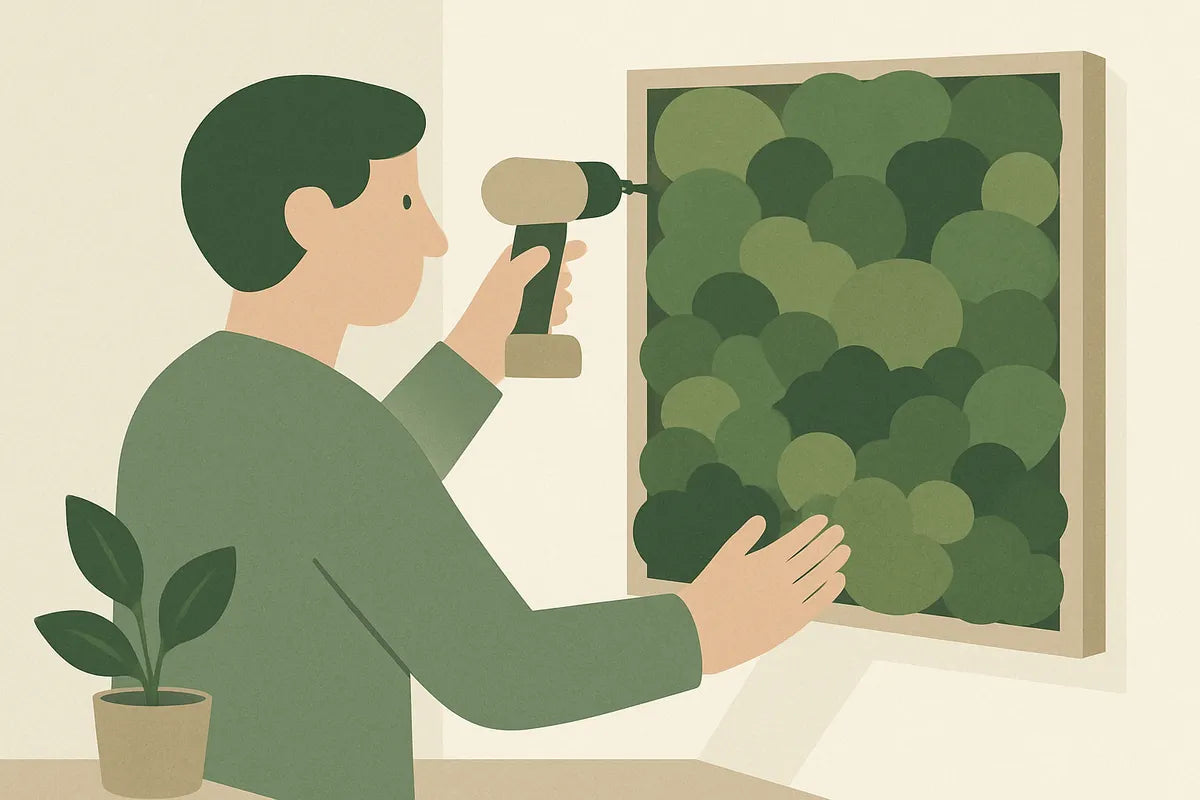
How to Install an Indoor Moss Wall for Air Purification
Adding an indoor moss wall to your home or workspace doesn't just look beautiful - it can also support better air quality and humidity levels. These natural features bring calm to modern interiors and provide subtle green relief from the typical hard surfaces and synthetic materials found indoors. Whether you're drawn to the idea of a living plant wall or you prefer the easy upkeep of preserved moss, installation can be straightforward with the right approach.
Understanding the Benefits of an Indoor Moss Wall

An indoor moss wall provides far more than visual appeal. Beyond its gentle, organic texture, moss supports comfort by moderating humidity and helping trap airborne particles. Moss doesn't need soil to thrive, which makes it ideal for vertical design. A well-installed moss wall indoors can bring greenery into spaces that lack natural light or ventilation while subtly improving air quality.
Air Quality and Humidity Control
Moss interacts with moisture in the air. It absorbs and releases water vapor, helping balance humidity levels naturally. When the air becomes too dry, moss can release moisture. When it’s too damp, moss helps collect it. This ongoing exchange contributes to steady indoor humidity, improving comfort and supporting respiratory health. Studies from environmental science sources like the U.S. Environmental Protection Agency (EPA) highlight that maintaining steady humidity levels indoors helps prevent allergens and reduces airborne pollutants.
Why Moss Fits Indoors
Because moss doesn’t have roots, you can install it on almost any vertical surface. It thrives without direct sunlight and can survive under moderate artificial lighting. This makes it especially suitable for interiors that lack access to natural daylight. Moss walls are living art pieces that require minimal maintenance, and when preserved moss is used, they don't even need water or misting.
Choosing Between Living Moss and Preserved Moss

When selecting moss for your installation, your choice between living plant moss and preserved moss will determine long-term upkeep and appearance. Both offer similar visual texture but perform differently over time.
Living Plant Moss Walls
A living moss wall contains actively growing moss that requires occasional mist and some natural or artificial light. This type behaves like other living plants by photosynthesizing and assisting air purification. However, to keep it healthy indoors, you'll need to maintain proper humidity and light conditions. Regular care includes misting, trimming, and checking for mold or excess moisture.
Preserved Moss Walls
Preserved moss is organic moss that's been treated with natural preservatives to retain texture and color without staying alive. It doesn’t require water, soil, or light. That makes it ideal for locations where stable humidity or frequent maintenance is difficult. Designers often choose preserved moss for commercial interiors, hotels, and quiet office spaces. It creates the same calming, natural feel without the upkeep of living plant care.
How to Install an Indoor Moss Wall Step by Step

Installing your own indoor moss wall doesn’t need specialized knowledge, but it does require careful planning and tools. The process involves choosing a base panel material, attaching moss securely, and ensuring environmental conditions will maintain its appearance.
Step 1: Prepare the Surface and Frame
Start by selecting a stable surface. Plywood, MDF, or metal backing panels work well. Make sure the wall is dry and free from dust. Build or purchase a frame sized for your space. The frame helps secure the moss while allowing for ventilation behind the panel.
Step 2: Choose and Prepare Your Moss
Decide whether you'll use living moss or preserved moss. For a living installation, you may use species like sheet moss or cushion moss. Soak them briefly before mounting. For preserved moss, simply ensure it’s free from dust. You can mix several moss types for variety and texture.
Step 3: Secure Moss to the Panel
Use adhesives, moss pins, or a mesh grid to attach moss. For larger installations, divide the panel into smaller sections you can assemble later. When installing living moss, leave slight space between patches to allow airflow. For a preserved wall, press moss firmly to ensure even coverage.
Step 4: Check Lighting and Humidity Levels
Once the moss is mounted, assess your environmental conditions. Living moss prefers indirect light and steady humidity levels between 40% and 60%. Use a simple hygrometer to track moisture and consider using a humidifier in very dry climates. For preserved moss, maintain moderate humidity and avoid direct sunlight, which can cause fading.
Step 5: Maintain and Refresh
Maintenance varies between types. A living moss wall needs a weekly mist, while preserved moss requires only gentle occasional dusting. Always avoid overwatering, as too much mist can lead to mold. With steady indoor humidity and occasional care, a moss wall can retain its fresh appearance for years.
Do Moss Walls Purify Air?
One of the most common questions about moss walls is whether they actually clean indoor air. Research indicates that moss contributes to small improvements in air quality by trapping fine dust and absorbing some pollutants. Because moss is made of tiny plant filaments with large surface areas, it can capture particles and gaseous compounds when air passes across it.
According to studies published through institutions like the National Library of Medicine, indoor moss plants interact with VOCs (volatile organic compounds) and can bind some heavy metals. However, the impact depends on the size and density of your installation. Large, active living moss walls are more effective for filtration, while preserved moss walls mainly support the psychological and humidity aspects of air freshness indoors.
Moss walls also promote better perceived air quality by moderating humidity and adding greenery that encourages relaxation. So, while they don’t replace air purifiers or ventilation systems, they do offer small, measurable benefits for air purification in an indoor environment.
Is There a Downside to Moss Wall?
While moss walls bring clear advantages, they do come with considerations. Understanding the possible downsides helps ensure your indoor moss installation stays attractive and functional long term.
Maintenance Requirements
Living moss walls require occasional mist to maintain humidity. If neglected, moss can dry out and lose color. Over-misting can produce too much moisture, which encourages mold growth. Balancing humidity levels is critical. Using a low-pressure sprayer and a simple indoor hygrometer keeps this balance easier to manage.
Environmental Sensitivity
Moss is sensitive to its surroundings. Without stable conditions, it may fade or thin out. Sudden shifts in lighting or temperature can disturb the moss's equilibrium. Offices or rooms with strong heating or air conditioning can dehydrate the moss, shortening its lifespan. That’s one reason some owners choose preserved moss instead - it avoids the risk entirely.
Installation Cost and Expertise
While small DIY moss walls are affordable, larger professional installations can get expensive. Custom frames, irrigation systems, and specialty lighting increase the cost. However, as architectural and design experts have shown, well-maintained moss walls return value in ambiance and environmental quality. Costs vary depending on the size and choice between living or preserved moss.
Is Moss a Good Air Purifier?
Yes, moss acts as a natural air purifier, particularly in confined or poorly ventilated interiors. The effectiveness depends on whether the moss is living or preserved.
How Living Moss Purifies Air
Living moss works like other plants by photosynthesizing, taking in carbon dioxide, and releasing oxygen. It also captures pollutants from the air, storing them in its porous structure. A dense indoor moss wall of living moss species performs continuous passive filtration while balancing humidity levels. Maintaining regular mist levels keeps photosynthesis active and supports clean air indoors.
How Preserved Moss Helps
Preserved moss retains the texture and form of live moss but doesn’t photosynthesize. It can't directly purify air in the biological sense, but it contributes indirectly by maintaining visual calm and improving perception of indoor air quality. Studies from environmental health research suggest that visual greenery alone helps reduce stress, which can enhance overall wellness indoors. Combined with proper ventilation, preserved moss walls form part of a healthy interior system.
Using Moss for Continuous Air Comfort
For better results, you can combine your moss wall with air-purifying plants such as ferns, spider plants, or peace lilies. Together, these species strengthen indoor air freshness. Moss’s ability to hold and slowly release moisture helps sustain steady comfort levels, particularly in rooms that dry out due to heating or air conditioning. When installed correctly, indoor moss creates a self-regulating, low-maintenance system that subtly supports air and humidity quality all year.
Styling and Positioning Moss Walls Indoors
Where you place your moss wall affects both aesthetics and performance. Position it where it’s visible but not exposed to direct sunlight or heating vents. Ideal spots include entryways, meeting rooms, living rooms, and bathrooms where humidity levels remain moderate. You can install panels in modular sections for flexibility or choose framed moss art pieces for smaller spaces.
Design magazines like Dezeen highlight moss walls as sustainable design choices that integrate natural textures with modern interiors. A carefully placed moss installation can become a focal feature while providing subtle air regulation and tranquility.
Practical Tips to Keep Your Indoor Moss Wall Healthy
- Use a humidity meter to maintain consistent moisture indoors.
- Avoid direct artificial light or heat that can dry moss quickly.
- Clean gently with a soft brush to remove dust.
- Mist living moss once or twice a week depending on humidity levels.
- For preserved moss, avoid spraying water - dry air can be managed with a general indoor humidifier.
- Inspect the wall monthly to ensure the backing remains dry.
Conclusion
An indoor moss wall is both design and function in one feature. Whether you choose living moss that breathes and grows or preserved moss that stays effortlessly evergreen, installation transforms an ordinary wall into a living texture that supports air quality and balanced humidity levels. With careful planning, proper lighting, and awareness of environmental conditions, your indoor moss wall can thrive for years - a quiet natural companion improving the space you live and breathe in.