Living Wall Indoor: How to Bring a Vertical Garden Into Your Home
A living wall indoors, also known as a vertical garden, transforms flat surfaces into lush, living art pieces. These plant walls not only look beautiful but also improve air quality, reduce stress, and connect you to nature even in small urban homes. With the right lighting, irrigation, and plant selection, anyone can create a thriving vertical garden that brings life indoors while echoing the natural beauty of the outdoor environment.
Plants for Living Wall Indoor Spaces

Choosing the Right Indoor Plants
Picking suitable plants is the foundation of any successful living wall. Indoor species that handle low to medium light and moderate water levels work best. Common choices include ferns, pothos, philodendrons, and spider plants. These varieties adapt well to vertical growth and maintain steady color and texture across the wall. If the wall receives bright lighting, herbs like mint and basil or even small flowering plants can add variety.
Layering and Combining Plants in a Vertical Garden
Combine plants with different leaf shapes and sizes to create contrast and movement. For example, pair trailing ivy with upright calatheas to give depth to the plant wall. Include air-purifying species such as peace lilies to improve your indoor air quality, as recommended by EPA indoor air quality resources. Mixing fast- and slow-growing plants also helps maintain balance as the garden matures.
How to Make a Living Wall Indoors

Step 1: Planning the Vertical Garden Design
Before hanging any plants, decide where your living wall will go. Choose a wall with enough structural support and access to light and water. Avoid walls exposed to direct, harsh sunlight, unless you’re using drought-tolerant species. Measure the area to plan your plant layout and irrigation system. You can use felt panels, pocket planters, or modular systems, depending on your budget and style preference.
Step 2: Preparing for Lighting and Water
Lighting is critical indoors. Most vertical garden systems benefit from full-spectrum LED grow lights. Position them close enough so every plant gets sufficient light. For water, consider a drip system or irrigation tray to keep the plants evenly hydrated. University extension experts suggest using a timer-controlled watering system to avoid overwatering, which is a common problem in indoor walls.
How to Build a Living Wall Indoors

Building a Structural Frame
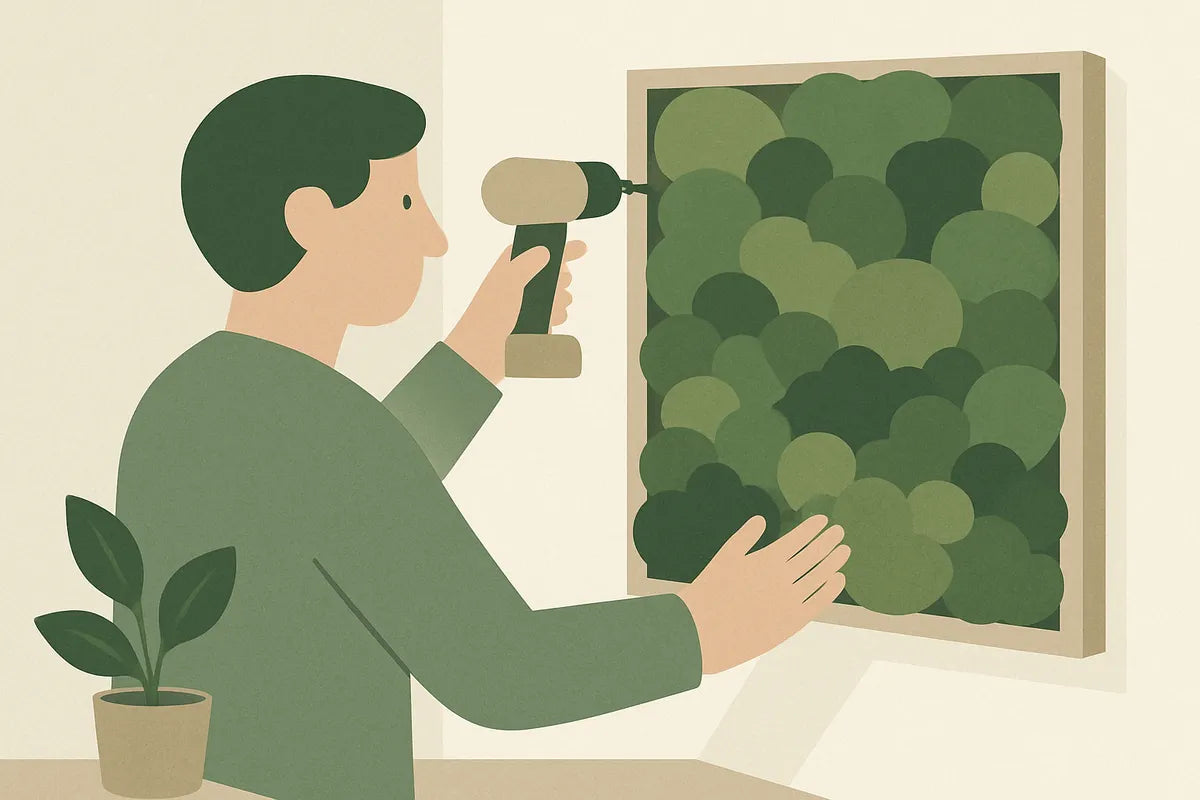
Start with a sturdy backing, such as a waterproof board or metal frame. This prevents water damage to your indoor wall surface. Attach a plastic or rubber membrane for extra protection, especially if your wall borders another room. Once the frame is ready, mount planting panels or containers that can hold soil or hydroponic media.
Installing the Irrigation System
A drip irrigation setup is the most practical solution for maintaining moisture. Connect flexible tubing to deliver water slowly to each plant pocket. Include a catch tray or drainage line at the bottom to handle excess water. For small vertical gardens, manual watering can still work, but consistency is crucial. For larger installations, green building specialists often recommend automated irrigation for long-term performance.
What Are the Disadvantages of Living Walls?
Maintenance and Water Use
While indoor plant walls are stunning, they require regular care. Managing irrigation and preventing water leaks are the two main challenges. Overwatering can cause root rot, while under-watering stresses plants. You’ll need to check water flow and humidity often. Installing moisture sensors can help maintain the right balance.
Lighting and Environmental Factors
Indoor lighting can be tricky. Without enough light, plants become leggy and weak. Artificial lighting adds energy costs and heat output that may affect the surrounding area. In some homes, maintaining the right temperature for sensitive plants may not be practical. Design experts caution that ongoing lighting adjustments are often part of owning a living wall.
Cost and Complexity
High-quality vertical garden systems can be expensive upfront. Between frame materials, irrigation setup, and specialized lighting, costs can add up quickly. However, for people who love plants and want to improve air quality indoors, many find the results worth it. Maintenance can be simplified by choosing hardy species and designing for easy access.
Can You Build a LiveWall Indoors?
Feasibility and System Options
Yes, you can build a LiveWall indoors with proper planning. LiveWall systems and other modular options are designed for both indoor and outdoor use. Many feature built-in irrigation lines and removable planting trays for quick maintenance. When used indoors, these systems require attention to moisture control and air circulation to prevent mold or mildew.
Creating an Indoor-Outdoor Balance
Some designers suggest combining both indoor and outdoor vertical gardens for continuity. Using similar species on both sides of a window or patio wall creates a seamless connection between spaces. You can find detailed setup guides from manufacturers like LiveWall that explain how to adapt their systems for indoor environments.
Practical Tips for Success
Start small. Even a modest plant wall near a kitchen or entryway can make a huge difference. Check your lighting daily, monitor water use, and trim plants regularly to keep growth even. Over time, your living wall will evolve into a thriving ecosystem that brightens the space and supports better air quality.
Conclusion: Bringing Vertical Life Indoors
Creating a living wall indoors blends design, health, and nature. With careful planning, balanced lighting, and reliable irrigation, your vertical garden can thrive year-round. It’s more than decoration - it’s a living feature that connects your home to the natural world outside. Whether you build a small DIY setup or invest in a modular system, an indoor plant wall brings beauty, calm, and freshness to your life.
For further reading, explore resources from Royal Horticultural Society and specialized green wall case studies to plan your next project.