Natural Air Filtration: Practical Ways to Clean Indoor Air Without Overcomplicating It
Most of us spend most of our time indoors. That means the air in your home matters more than you might think. Dust, smoke, pet dander, cooking fumes, and moisture can build up fast, especially in tight homes with closed windows.
Natural air filtration is a mix of simple habits, smart materials, and low-tech tools that help remove particles and cut down on stale air. It’s not about chasing a “perfect” home. It’s about making your air cleaner in ways you can keep up with.
What natural air filtration really means

When people say “natural air filtration,” they often mean one of two things:
- Filtering air with natural materials or living systems (like plants, activated carbon, or mineral-based filters)
- Cleaning indoor air with low-energy methods (like ventilation, humidity control, and source control) instead of relying only on powered machines
It helps to be clear: natural methods work best when you pair them with good basics. If you burn candles daily, let humidity sit above 60%, or never vent your kitchen, no houseplant will save you.
What you’re trying to remove (and why it matters)

Indoor air has two big categories of problems: particles and gases.
Particles (PM2.5, dust, pollen, dander)
Particles include fine dust, smoke, pollen, and pet dander. The smallest ones, often called PM2.5, can get deep into your lungs. Wildfire smoke is a major PM2.5 source, but frying food and burning candles also add to it.
For a plain-language overview of particle pollution and health, the U.S. Environmental Protection Agency explains the basics on particulate matter (PM) basics.
Gases and odors (VOCs, NO2, ozone)
Gases include VOCs (from paints, cleaners, and new furniture), nitrogen dioxide (from gas stoves), and odors from cooking or litter boxes. Some gases irritate your eyes and throat. Others can trigger asthma or headaches.
If you have a gas stove, pay attention to kitchen ventilation. For background on combustion pollutants and indoor air, you can check the U.S. Department of Energy’s overview of home ventilation and indoor air quality.
Start with the highest-impact “natural” moves
Want the biggest wins with the least effort? Focus on these first. They’re simple, cheap, and they work.
1) Control sources: stop pollution before it spreads
This is the unglamorous truth: the best filter is the one you don’t need because you didn’t make the air dirty in the first place.
- Use the range hood every time you cook, especially when frying or searing.
- If you have a vented hood, run it for 10-20 minutes after cooking.
- Skip scented candles and incense if you’re sensitive to smoke or have asthma in the home.
- Store paints, solvents, and strong cleaners in a sealed bin, ideally outside living space.
- Take shoes off at the door to cut tracked-in dust, pollen, and street grime.
Gas stoves deserve a special callout. If you use one, crack a window and run the hood. You’ll reduce combustion byproducts where they start.
2) Ventilate on purpose, not by accident
Fresh air dilutes indoor pollutants. But timing matters. If you live near traffic or you’re dealing with wildfire smoke, opening windows all day can backfire.
A good approach:
- Air out the home for 5-15 minutes in the morning or when outdoor air looks clean.
- Create cross-ventilation by opening windows on opposite sides.
- Close windows during rush hour, high pollen times, or smoke events.
Not sure when outdoor air is “clean”? Use a local air quality map. The AirNow air quality index is a practical tool for checking PM2.5 and ozone in your area.
3) Keep humidity in the safe zone
Humidity shapes indoor air more than most people realize. Too high and you invite mold and dust mites. Too low and your nose and throat dry out, and some particles stay airborne longer.
Many indoor air guides aim for 30-50% relative humidity. If you want a detailed, health-focused rundown, the Cleveland Clinic explains healthy indoor humidity and humidifier use.
- If your home is humid: use bathroom fans, fix leaks, and consider a dehumidifier in damp rooms.
- If your home is dry: a humidifier can help, but clean it often so it doesn’t become a germ source.
Natural filtration tools that actually help
Once you’ve handled sources, ventilation, and humidity, natural air filtration tools can make a real difference. Here are the ones worth your time.
Activated carbon for odors and some gases
Activated carbon (also called activated charcoal) traps many odor molecules and some VOCs. It doesn’t replace particle filtration, but it’s great for:
- Cooking smells
- Pet odors
- Light chemical smells from paint or new furniture (it won’t remove everything, but it can help)
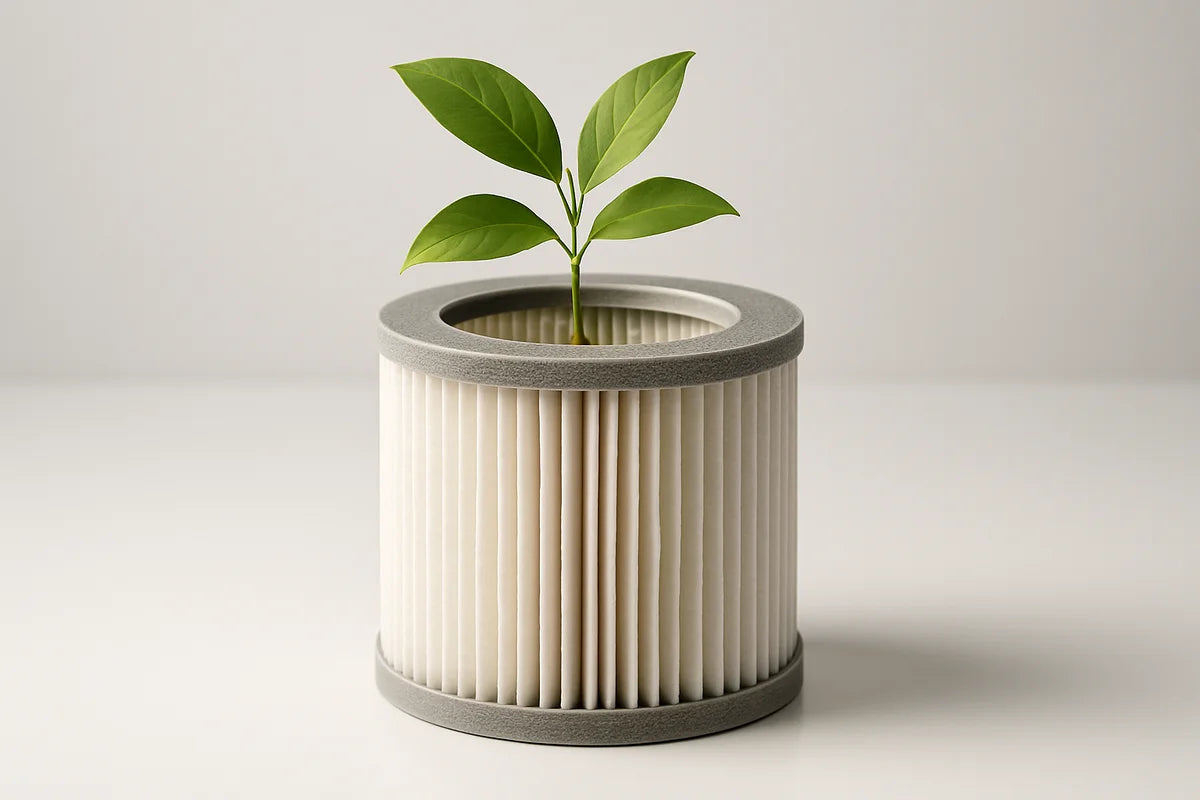
Look for carbon in a thick bed, not a thin “carbon sheet.” More carbon usually means better gas capture and longer life. You can use carbon in stand-alone filters, HVAC add-ons, or small passive bags for closets and drawers.
Natural fiber pre-filters to catch big dust
Wool felt, cotton, and other natural fibers can work as pre-filters. They catch larger particles like lint and visible dust before air hits a finer filter. This matters because it helps whatever comes next last longer.
Where this works well:
- In a DIY box fan setup as a washable pre-layer
- As a dust screen on vents in dusty workshops (as long as it doesn’t restrict airflow too much)
Don’t rely on natural fibers alone for smoke or fine particles. For PM2.5, you need a tighter filter media (more on that below).
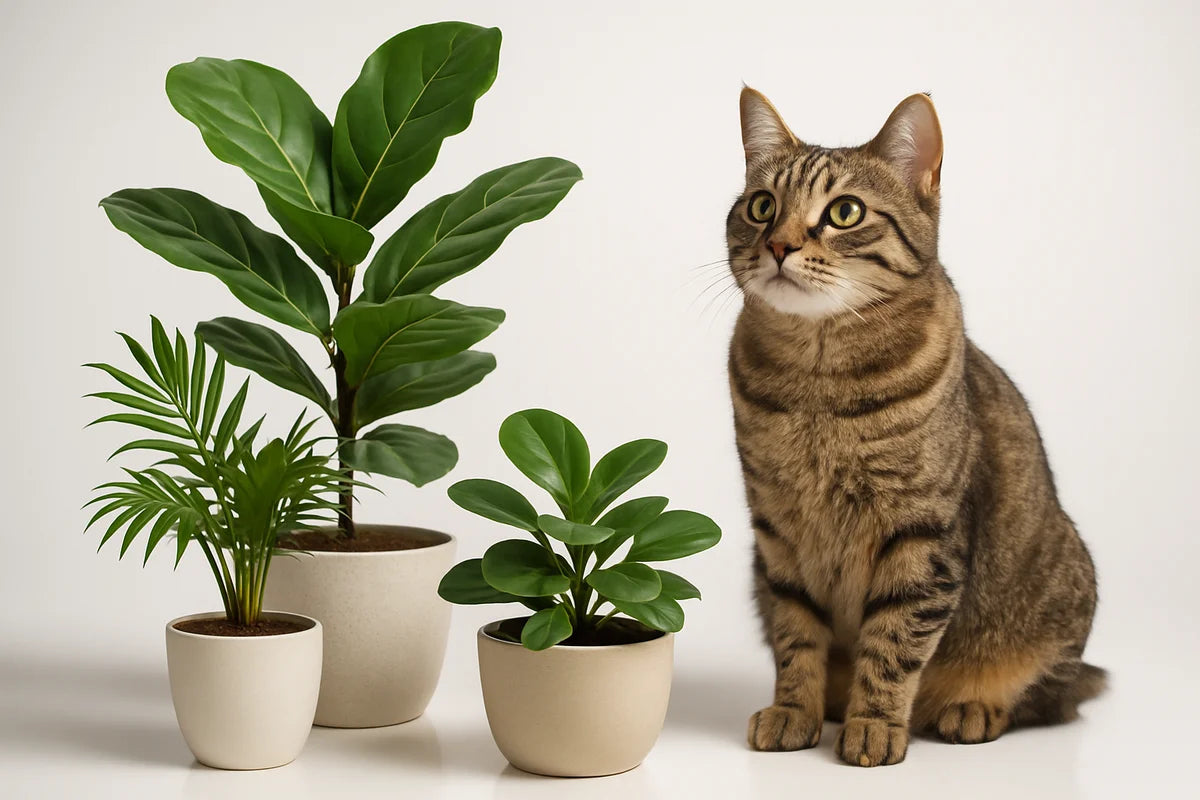
Houseplants: helpful, but don’t expect miracles
Plants can support comfort and may slightly affect some VOCs under lab conditions. But in real homes, the effect is usually small unless you have a lot of plants and strong air movement around them.
So why keep them? Because they can still help in practical ways:
- They can raise humidity slightly in dry rooms.
- They improve how a room feels, which makes people more likely to open windows, clean, and maintain the space.
- They can trap a bit of dust on leaves (wipe leaves now and then).
If you want a grounded take from building-science folks, the Green Building Advisor discussion on plants and indoor air does a good job of setting expectations.
DIY natural air filtration: what works and what to watch
You don’t need to buy a pricey device to get cleaner air. A few DIY options work well, as long as you build them safely.
The box fan filter setup (simple and effective)
A standard box fan paired with a high-quality HVAC filter can pull a lot of particles from the air. People often call versions of this a DIY air cleaner.
- Use a clean 20-inch box fan.
- Attach a quality pleated filter to the intake side.
- Seal edges well so air goes through the filter, not around it.
Choose filters designed for particles, not just “dust.” You’ll often see MERV ratings on HVAC filters. Higher MERV usually means better fine-particle capture, but it can also restrict airflow.
For a solid guide on MERV ratings and what they mean, this breakdown from Energy Vanguard on choosing a MERV filter is clear and practical.
Don’t use “ozone” gadgets
If a device claims it “freshens air” by producing ozone, skip it. Ozone can irritate lungs and worsen asthma. Good filtration removes pollutants. It doesn’t add reactive gases to your home.
Room-by-room plan for cleaner air
If you try to fix everything at once, you’ll burn out. Go room by room and focus on what happens there.
Kitchen: control smoke and fumes
- Use the range hood every time. If it recirculates, consider upgrading to vented if possible.
- Keep a lid handy to cut smoke when searing.
- Clean grease buildup so the hood works better.
- If you cook often, consider adding activated carbon nearby for lingering odors.
Bedroom: reduce dust and keep air steady
- Wash bedding weekly in hot water if allergies hit hard.
- Vacuum with a sealed system or HEPA vacuum if you can.
- Keep clutter down so dust has fewer places to settle.
- If outdoor air is clean, crack a window for a short air-out before bed.
Bathroom and laundry: stop moisture before mold starts
- Run the bathroom fan during showers and 20 minutes after.
- Fix leaks fast, even small drips.
- Don’t leave wet towels in a pile.
- If the room stays damp, use a dehumidifier and aim for 30-50%.
Living room: manage pets, soft surfaces, and smoke
- Brush pets often and wash pet bedding.
- Vacuum rugs and upholstery on a schedule you can stick to.
- Avoid burning candles as “air fresheners.” Use ventilation and carbon instead.
How to tell if your air is getting better
You don’t need a lab, but a few simple checks keep you honest.
Use your senses, but don’t rely on them
Smell and irritation help you spot problems, yet fine particles often have no smell. You can have high PM2.5 and think everything is fine.
Consider a basic air quality monitor
A small monitor that tracks PM2.5 and humidity can show patterns you’d miss. You might learn that your PM spikes during cooking, or humidity stays high after showers.
Before buying, learn the basics of how particle sensors work and what numbers mean. The South Coast AQMD has a practical guide on using low-cost air quality sensors.
Common mistakes that make “natural” air cleaning fail
- Relying on plants alone while ignoring cooking smoke and humidity
- Opening windows at the wrong time (high pollen, high pollution, wildfire smoke)
- Using fragrance sprays to cover odors instead of removing the source
- Forgetting filter maintenance, even on DIY setups
- Blocking airflow with thick fabrics or overcrowded “filters” that make fans work poorly
A simple 7-day plan you can follow
If you want a clear start, try this one-week reset.
- Day 1: Check your bathroom fan and range hood. Use them every time this week.
- Day 2: Do a quick source sweep. Remove or seal strong cleaners, old paint, and solvents.
- Day 3: Clean one high-dust zone (entryway rug, couch, or under-bed area).
- Day 4: Set a humidity target and measure it. Adjust with a fan, dehumidifier, or humidifier if needed.
- Day 5: Add activated carbon where odors linger (kitchen, litter area, closet).
- Day 6: Improve ventilation timing. Use AirNow and do short cross-ventilation when outdoor air is good.
- Day 7: If you want, build a box fan filter unit and place it where you spend the most time.
Conclusion
Natural air filtration works best when you treat it like a system. Cut pollution at the source, bring in fresh air when it’s clean outside, keep humidity in check, and use simple filters where they count. If you do those things, your home will smell fresher, feel better, and hold less dust and smoke over time.