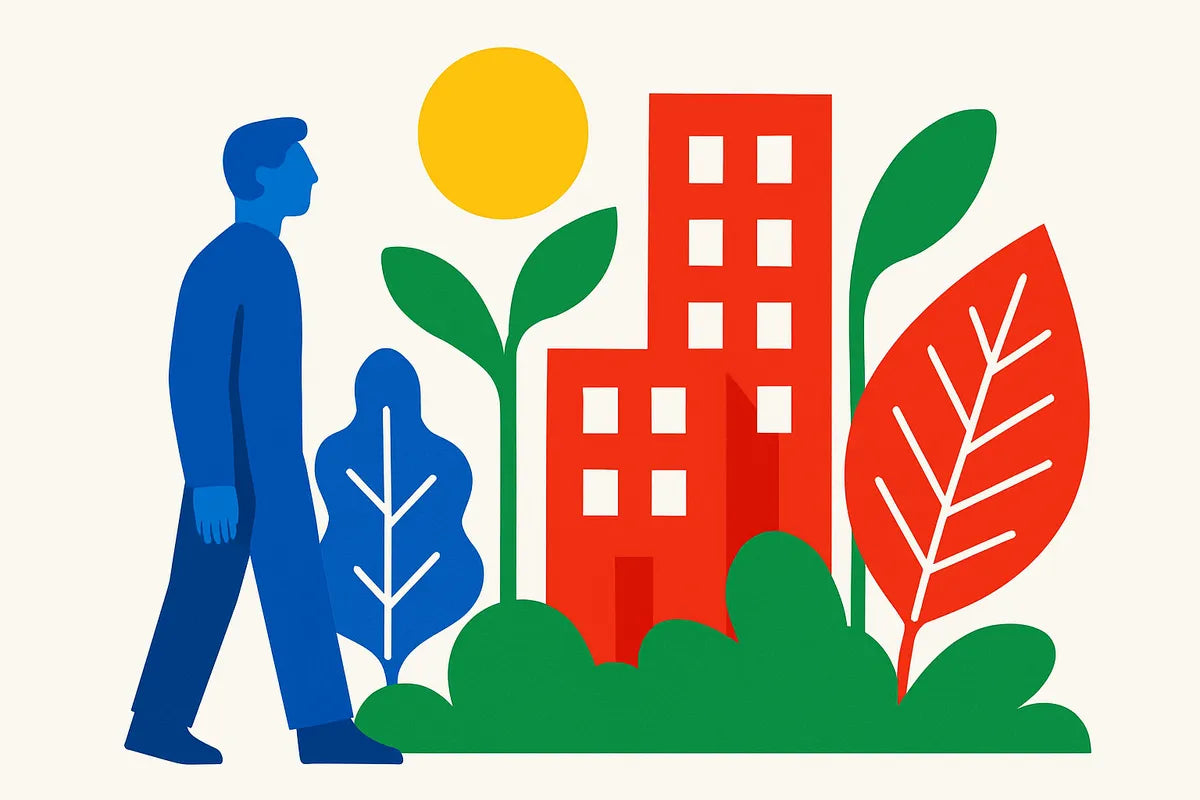
Biophile Städte: Urbanen Raum schaffen, der die Natur zurückbringt
Moderne Städte wirken oft wie Betonwälder, voll von Autos, Glas und Lärm. Doch die Menschen sehnen sich immer noch nach Grün, Sonnenlicht und der beruhigenden Wirkung der Natur. Hier kommt die Idee der biophilen Städte ins Spiel – eine Bewegung, die Stadtentwicklung mit natürlichen Systemen verbindet, um gesündere, lebenswertere Umgebungen zu schaffen.
Biophile Städte zielen darauf ab, Menschen durchdachtes Design, Planung und bürgerschaftliches Engagement wieder mit der Natur zu verbinden. Es geht nicht nur darum, Parks hinzuzufügen. Es geht darum, Städte zu bauen, die auf jeder Ebene atmen, wachsen und Leben fördern.
Was ist eine biophile Stadt?

Der Begriff „Biophilie“ bedeutet Liebe zum Leben und zu Lebewesen. Er wurde vom Biologen E.O. Wilson populär gemacht, der argumentierte, dass Menschen ein angeborenes Bedürfnis haben, sich mit der Natur zu verbinden. Eine biophile Stadt nimmt dieses Konzept auf und wendet es auf die Stadtgestaltung an.
In der Praxis integriert eine biophile Stadt natürliche Elemente in jeden Teil des täglichen Lebens. Das kann grüne Dächer, baumgesäumte Straßen, urbane Bauernhöfe oder sogar Wildtierkorridore bedeuten, die Tieren eine sichere Bewegung durch städtische Räume ermöglichen. Es geht darum, Städte so zu gestalten, dass sie sowohl das menschliche Wohlbefinden als auch die ökologische Gesundheit unterstützen.
Kernprinzipien des biophilen Designs
Während jede Stadt die Biophilie anders angeht, leiten einige gemeinsame Prinzipien die Bewegung:
- Integration der Natur – Pflanzen, Wasser und natürliche Materialien in Gebäude und öffentliche Räume bringen.
- Zugang zu Grünflächen – sicherstellen, dass jeder Parks, Gärten und Naturgebiete leicht erreichen kann.
- Ökologische Restaurierung – beschädigte Ökosysteme reparieren und Lebensräume für lokale Arten schaffen.
- Gemeinschaftsverbindung – Räume gestalten, die soziale Interaktion und Outdoor-Aktivitäten fördern.
- Resilienz – natürliche Systeme nutzen, um Hitze, Luftqualität und Regenwasser zu managen.
Warum biophile Städte wichtig sind

Die Urbanisierung nimmt immer weiter zu, und damit gehen gesundheitliche, ökologische und soziale Herausforderungen einher. Biophile Städte bieten echte Lösungen für diese Probleme durch nachhaltiges Design und intelligentere Planung.
Bessere Gesundheit und Wohlbefinden
Der Kontakt mit der Natur verbessert die psychische Gesundheit, reduziert Stress und fördert körperliche Aktivität. Untersuchungen der National Institutes of Health zeigen, dass Menschen, die in der Nähe von Grünflächen leben, geringere Raten von Angstzuständen und Depressionen aufweisen. Schon kleine tägliche Interaktionen mit der Natur – wie unter einem Baum sitzen oder durch einen Park spazieren – können einen messbaren Unterschied machen.
Grüne Infrastruktur verbessert auch die Luftqualität. Stadtbäume können Schadstoffe aufnehmen, die Luft kühlen und Feinstaub filtern, der die Lunge schädigt. Ein Bericht der U.S. Environmental Protection Agency hebt hervor, wie Gründächer und Regengärten das Regenwassermanagement verbessern und gleichzeitig städtische Wärmeinseln reduzieren können.
Umweltvorteile
Biophile Städte sind nicht nur ästhetisch. Sie sind praktische Werkzeuge für die Klimaanpassung und Resilienz. Durch die Integration natürlicher Systeme können Städte Überschwemmungen reduzieren, Kohlenstoff binden und die Artenvielfalt unterstützen.
Singapur zum Beispiel – oft als die weltweit erste biophile Stadt bezeichnet – nutzt vertikale Gärten, Dachwälder und wassersensibles Design, um starke Regenfälle und begrenzten Raum zu bewältigen. Das „Park Connector Network“ der Stadt verbindet Grünflächen auf der ganzen Insel und ermöglicht Menschen und Wildtieren eine freie Bewegung.
Wirtschaftlicher und sozialer Wert
Grünes Design kann auch den wirtschaftlichen Wert steigern. Immobilien in der Nähe von Parks oder Ufern haben oft einen höheren Wert. Unternehmen berichten von einer höheren Mitarbeiterzufriedenheit in Büros mit natürlichem Licht und Pflanzen. Laut einer Studie des World Green Building Council sind Mitarbeiter in Büros mit biophilen Merkmalen produktiver und haben weniger Krankheitstage.
Auf sozialer Ebene fördern gemeinsame Grünflächen den Zusammenhalt der Gemeinschaft. Menschen treffen sich, unterhalten sich und bauen Vertrauen auf, wenn sie Zeit im Freien verbringen. Das stärkt Nachbarschaften und reduziert Isolation – ein wachsendes Problem in dichten Städten.
Wie Städte biophiler werden

Viele Städte auf der ganzen Welt nutzen biophiles Design auf kreative Weise. Einige rekultivieren alte Industriegebiete, während andere grüne Netzwerke durch dichte Stadtkerne ziehen.
Singapur: Der grüne Pionier
Singapurs Ansatz für biophiles Design ist weltweit bekannt. Die Vision „City in a Garden“ der Stadt konzentriert sich auf die Integration der Natur in jeder Größenordnung. Gebäude wie das Parkroyal on Pickering nutzen kaskadenartige Gärten und Regenwasserauffangsysteme. Das Park Connector Network erstreckt sich nun über Hunderte von Kilometern und verbindet Parks, Flüsse und Stadtteile zu einem kontinuierlichen grünen System.
Oslo: Die Natur in der Stadt schützen
Oslo, Norwegen, verbindet Stadtleben mit Wildnis. Fast zwei Drittel der Stadt bestehen aus Wäldern, Seen oder geschützten Naturgebieten. Die Politik der Stadt schützt diese Räume vor Überentwicklung und fördert gleichzeitig nachhaltige Mobilität, wie Radfahren und öffentliche Verkehrsmittel, um die Umweltverschmutzung gering zu halten.
Portland: Grüne Straßen und Gemeinschaftsgärten
Portland, Oregon, konzentriert sich auf wassersensibles Design. Sein „Green Streets“-Programm ersetzt traditionelle Regenwasserkanäle durch bewachsene Pflanzgefäße, die Abfluss absorbieren. Gemeinschaftsgärten und Programme zur Landschaftsgestaltung mit einheimischen Pflanzen ermutigen die Bewohner, sich an der Begrünung ihrer Viertel zu beteiligen. Das Portland Bureau of Environmental Services bietet praktische Anleitungen für Bewohner, die ihre eigene grüne Infrastruktur installieren möchten.
Melbourne: Strategie für den urbanen Wald
Melbourne, Australien, hat einen ehrgeizigen Plan ins Leben gerufen, um seine Baumbestand bis 2040 zu verdoppeln. Die Strategie für den urbanen Wald der Stadt konzentriert sich auf die Anpflanzung vielfältiger Baumarten, um Hitzestress zu bekämpfen und die öffentliche Gesundheit zu verbessern. Einwohner können sogar eine „E-Mail an einen Baum“ senden – eine kreative Initiative, die es den Menschen ermöglicht, sich persönlich mit den Grünflächen der Stadt zu verbinden.
Eine biophile Stadt gestalten: Praktische Strategien
Wie können Städte, Planer und Bürger die Biophilie also Realität werden lassen? Es beginnt mit kleinen, lokalen Schritten, die zu großen Veränderungen führen.
1. Erhöhung des städtischen Grüns
Das Pflanzen von mehr Bäumen, grünen Wänden und Dachgärten kann die Luftqualität und den Komfort schnell verbessern. Selbst kleine Eingriffe, wie Taschenparks oder Balkonpflanzen, helfen, Menschen mit der Natur zu verbinden.
2. Natürliche Systeme schützen und wiederherstellen
Flüsse, Feuchtgebiete und Wälder in Städten sind entscheidend für die Artenvielfalt und die Klimaregulierung. Die Wiederherstellung dieser Ökosysteme reduziert Überschwemmungen und unterstützt die Tierwelt. Städte können von naturbasierten Lösungen lernen, die ökologische Prozesse für die städtische Resilienz nutzen.
3. Design für Begehbarkeit und Zugang
Die Natur sollte Teil des täglichen Lebens sein, nicht ein Wochenendziel. Gut verbundene grüne Korridore, Radwege und Fußwege helfen Menschen, sich einfach und sicher durch natürliche Räume zu bewegen.
4. Natürliche Materialien und Licht verwenden
Architekten können Gebäude so gestalten, dass sie Holz, Stein und natürliches Licht nutzen, um ruhige, gesunde Innenräume zu schaffen. Diese Materialien reduzieren Stress und verbessern die Stimmung. Einfache Designentscheidungen, wie große Fenster oder Zimmerpflanzen, bringen die Natur ins Haus.
5. Gemeinschaften einbinden
Biophile Städte gedeihen, wenn Menschen sich beteiligen. Gemeinschaftsgärten, Baumpflanztage und lokale Naturschutzprojekte schaffen ein Gefühl der Eigenverantwortung. Öffentliche Bildung hilft den Bewohnern zu verstehen, wie grünes Design allen zugutekommt.
Herausforderungen und Chancen
Eine biophile Stadt zu bauen ist nicht einfach. Land ist begrenzt, Budgets sind knapp, und konkurrierende Interessen stehen oft im Weg. Doch viele Städte beweisen, dass Natur und Wachstum koexistieren können.
Politische Unterstützung ist entscheidend. Stadtplaner benötigen klare Rahmenbedingungen, um grüne Infrastruktur zu priorisieren. Partnerschaften zwischen Regierungen, Entwicklern und Bürgern können Ressourcen bündeln und langfristige Projekte aufrechterhalten.
Auch Technologie spielt eine Rolle. Moderne Werkzeuge wie GIS-Kartierung und Umweltsensoren helfen, Biodiversität, Wasserverbrauch und Luftqualität zu verfolgen. Diese datengestützten Erkenntnisse können klügere, grünere Entscheidungen leiten.
Die Zukunft biophiler Städte
Da sich der Klimawandel verschärft und die Bevölkerung wächst, müssen sich die Städte anpassen. Das biophile Modell bietet einen vielversprechenden Weg – einen, bei dem die Natur nicht nachträglich, sondern eine Grundlage des städtischen Lebens ist.
Eine biophile Stadt ist mehr als nur grüne Gebäude oder Parks. Es ist eine Denkweise, die lebende Systeme und menschliche Verbundenheit schätzt. Es ist eine Stadt, in der Menschen nicht in die Natur flüchten müssen, weil sie bereits von ihr umgeben sind.
Abschließende Gedanken
Biophile Städte zeigen, dass Fortschritt und Natur gemeinsam wachsen können. Indem wir neu überdenken, wie wir bauen, uns bewegen und leben, können wir urbane Räume gestalten, die sowohl den Menschen als auch dem Planeten zugutekommen. Ob es darum geht, einen Baum zu pflanzen, ein Feuchtgebiet wiederherzustellen oder einen Park zu gestalten, der alle willkommen heißt – jede Handlung bringt uns Städten näher, die sich wirklich lebendig anfühlen.