Umweltfreundliche Arbeitsplatzgestaltung: Ideen für ein nachhaltiges und inspirierendes Büro
Einen umweltfreundlichen Arbeitsplatz zu schaffen, ist nicht länger nur ein Trend – es ist eine Notwendigkeit sowohl für die Umweltverantwortung als auch für das Wohlbefinden der Mitarbeiter. Durchdachte umweltfreundliche Arbeitsplatzgestaltungsideen können den Energieverbrauch senken, die Luftqualität verbessern und Ihr Büro zu einem gesünderen, angenehmeren Arbeitsort machen. Von nachhaltigen Büromaterialien und energieeffizienter Beleuchtung bis hin zu Abfallreduzierung und Recyclingstrategien gibt es unzählige Möglichkeiten, einen grünen Büroraum zu gestalten, der sowohl Menschen als auch dem Planeten zugutekommt.
Dieser Leitfaden beleuchtet praktische, umsetzbare Ideen für eine moderne nachhaltige Bürogestaltung. Sie erfahren, wie Sie Ihren bestehenden Arbeitsplatz verbessern, umweltfreundliche Materialien auswählen und intelligentere Beleuchtungs- und papierlose Bürolösungen integrieren, die eine nachhaltige Unternehmenskultur unterstützen.
Was sind die effektivsten Ideen für ein umweltfreundliches Arbeitsplatzdesign für ein modernes Büro?

Das Konzept des grünen Arbeitsplatzdesigns definieren
Ein grünes Arbeitsplatzdesign konzentriert sich auf Nachhaltigkeit, Energieeffizienz und menschlichen Komfort. Es geht darum, Ihre Büroumgebung mit ökologischen Prinzipien in Einklang zu bringen, ohne Stil oder Funktion zu opfern. Moderne nachhaltige Büroideen kombinieren natürliche Materialien, intelligente Technologie und gesunde Luftsysteme, um eine ausgewogene Umgebung zu schaffen, in der sich die Mitarbeiter produktiver und verbundener fühlen.
Natürliches Licht am Arbeitsplatz integrieren
Natürliches Licht am Arbeitsplatz ist eine der effektivsten Möglichkeiten, die Energieeffizienz zu steigern und die Stimmung zu verbessern. Große Fenster, Glastrennwände und Oberlichter helfen, die Abhängigkeit von künstlicher Beleuchtung zu reduzieren. Laut dem US-Energieministerium kann Tageslicht den Energieverbrauch für Beleuchtung um bis zu 60 % senken. Verwenden Sie helle Oberflächen, um Sonnenlicht tiefer in den Raum zu reflektieren, und installieren Sie Jalousien, die eine flexible Steuerung der Blendung ermöglichen.
Biophiles Bürodesign und Büropflanzen
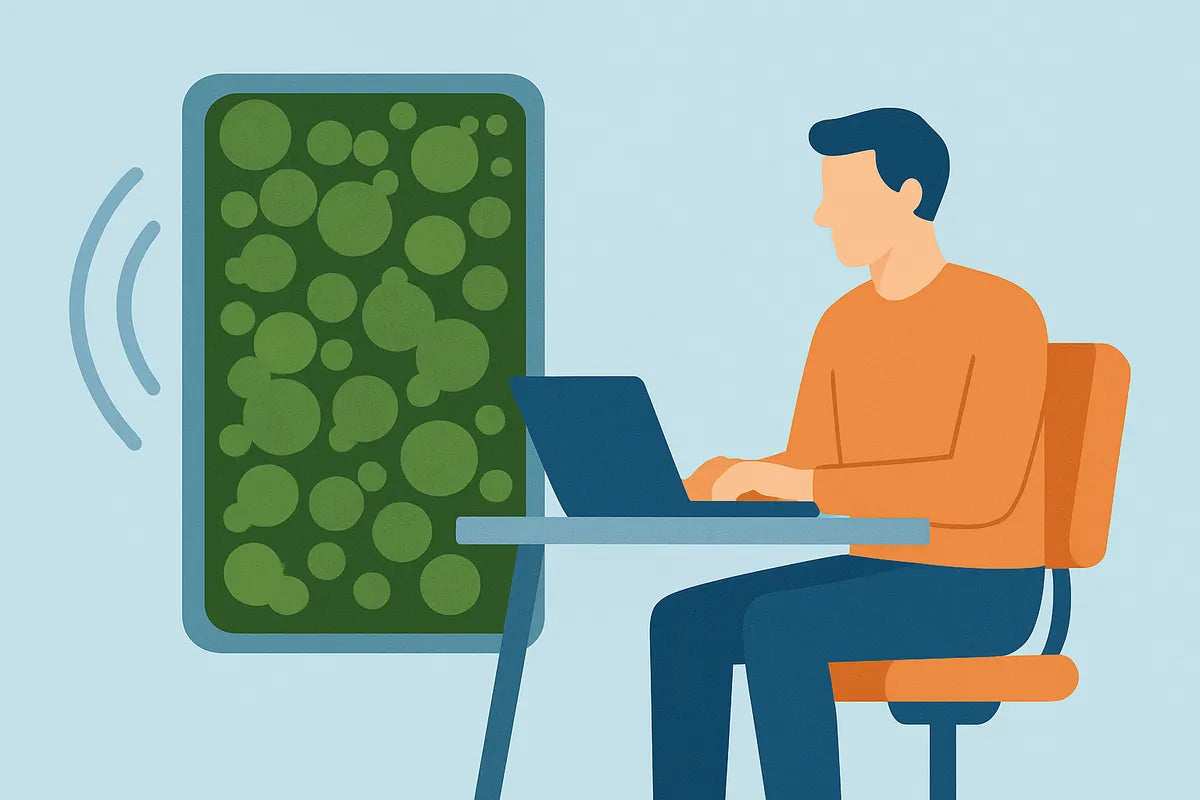
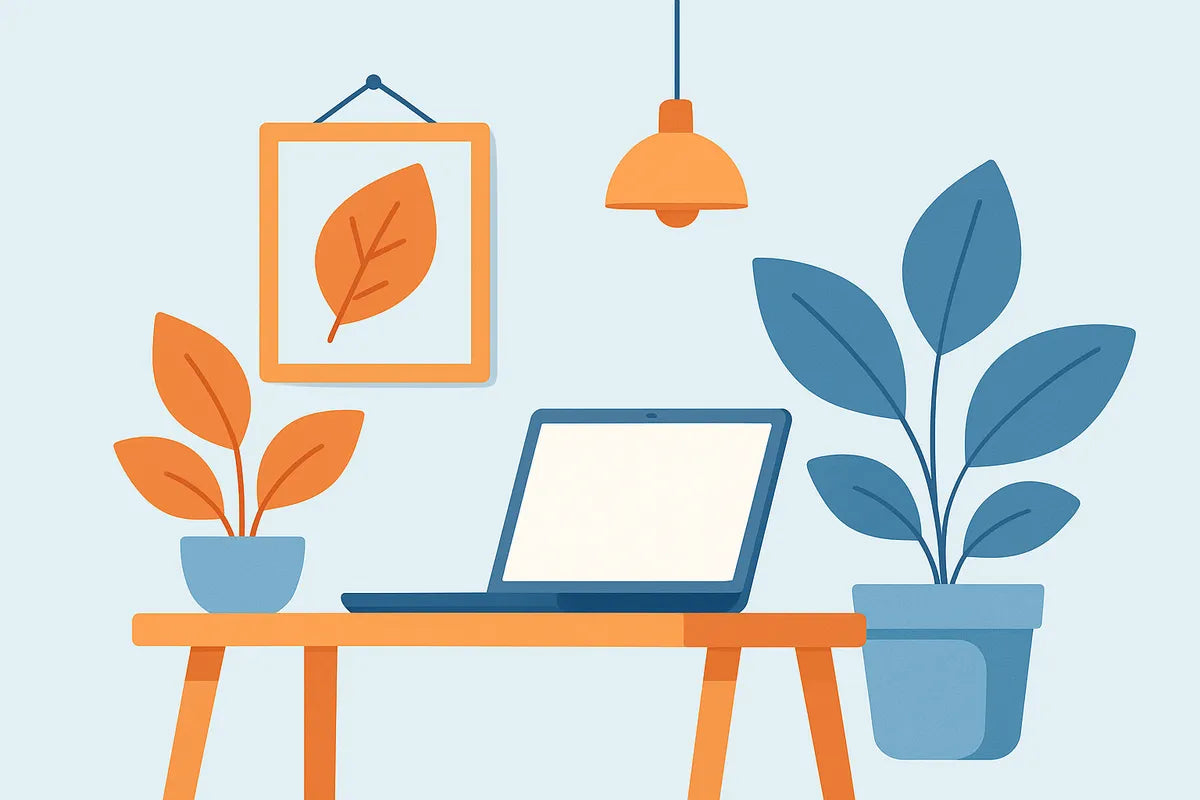
Biophiles Bürodesign verbindet Menschen mit der Natur durch Elemente wie Büropflanzen und Grünflächen, lebende Wände und natürliche Texturen. Studien zeigen, dass Pflanzen Stress reduzieren und die Luftqualität verbessern können. Lebende Wände und grüne Wände sehen nicht nur schön aus, sondern dienen auch als natürliche Luftfilter. Integrieren Sie pflegeleichte Arten wie Bogenhanf, Efeututen und Sukkulenten, um die Pflege einfach zu halten und Ihrem nachhaltigen Bürodesign lebendige Akzente zu verleihen.
Flexible Räume und modulare Möbel
Flexible Arbeitsbereiche mit modularen, recycelten oder wiederverwerteten Möbeln können sich an wechselnde Teamgrößen anpassen und gleichzeitig Abfall reduzieren. Verschiebbare Trennwände und leichte Schreibtische erleichtern die Umgestaltung von Räumen ohne größere Renovierungen. Dieser Ansatz unterstützt die langfristige Nachhaltigkeit und reduziert den Bedarf an ständig neuen Materialien.
Wie kann ich mein bestehendes Büro nachhaltiger gestalten, ohne eine komplette Renovierung?

Beginnen Sie mit kleinen, wirkungsvollen Änderungen
Sie müssen nicht Ihr gesamtes Büro umbauen, um es nachhaltig zu gestalten. Beginnen Sie mit einfachen umweltfreundlichen Arbeitsplatzgestaltungsideen, die sofortige Wirkung zeigen. Tauschen Sie alte Glühbirnen gegen LED-Bürobeleuchtung aus, richten Sie Büromülltrennsysteme ein und fördern Sie papierlose Bürolösungen. Schon kleine Änderungen in den täglichen Gewohnheiten können Energie sparen und Abfall reduzieren.
Beleuchtungs- und Energiesysteme aufrüsten
Der Umstieg auf energieeffiziente Beleuchtung ist eine der einfachsten Verbesserungen. LED-Bürobeleuchtung verbraucht deutlich weniger Strom und hält viel länger als herkömmliche Glühbirnen. Fügen Sie Bewegungssensoren, Zeitschaltuhren und Dimmer hinzu, um unnötigen Verbrauch zu minimieren. Ordnen Sie Schreibtische, wenn möglich, in der Nähe von Fenstern an, um das natürliche Licht am Arbeitsplatz zu nutzen und den Bedarf an künstlicher Beleuchtung während des Tages zu reduzieren.
Mitarbeiterbeteiligung fördern
Ein nachhaltiges Büro hängt vom gemeinsamen Einsatz ab. Ermutigen Sie Mitarbeiter, wiederverwendbare Wasserflaschen mitzubringen, Geräte auszustecken und Wertstoffe richtig zu trennen. Bringen Sie Erinnerungen in der Nähe von Büromülltrennsystemen an und teilen Sie Updates zu den Nachhaltigkeitszielen des Unternehmens. Wenn sich jeder einbezogen fühlt, werden umweltfreundliche Arbeitsplatzgewohnheiten zur Selbstverständlichkeit.
Auffrischen mit Grün und natürlichen Elementen
Auch ohne große Bauarbeiten kann das Hinzufügen von Büropflanzen und Grünflächen die Atmosphäre verändern. Wählen Sie vertikale Pflanzgefäße oder kleine Töpfe für Schreibtische. Pflanzen reinigen die Luft, bringen Farbe und schaffen eine ruhigere, konzentriertere Umgebung. Sie können auch natürliche Texturen durch Bambus- und Korkfußmatten, Holzakzente oder geflochtene Körbe aus nachhaltigen Materialien einbringen.
Welche umweltfreundlichen Materialien und Oberflächen eignen sich am besten für Büromöbel, Böden und Wände?

Nachhaltige Büromaterialien auswählen
Die von Ihnen gewählten Materialien bestimmen die Nachhaltigkeit und Ästhetik Ihres umweltfreundlichen Büros. Priorisieren Sie erneuerbare, recycelte oder ressourcenschonende Materialien. Nachhaltige Büromaterialien wie Altholz, Bambus, Kork und recyceltes Metall reduzieren Umweltschäden und halten oft länger als synthetische Alternativen. Sie bringen auch Wärme und Textur in Ihren Arbeitsbereich.
Recycelte und wiederverwertete Möbel
Recycelte und wiederverwertete Möbel sind sowohl umweltbewusst als auch kostengünstig. Restaurierte Holzschreibtische, wiederverwendete Aktenschränke und neu gepolsterte Stühle verleihen Ihrem grünen Büroraum Charakter und halten brauchbare Gegenstände von Deponien fern. Achten Sie auf Möbel, die von anerkannten Programmen wie FSC (Forest Stewardship Council) zertifiziert sind, um sicherzustellen, dass die Materialien aus verantwortungsvoll bewirtschafteten Quellen stammen.
Bambus- und Korkbodenbelag
Bambus- und Korkböden sind hervorragende Ideen für nachhaltige Büroräume. Beide Materialien sind erneuerbar, langlebig und natürlich feuchtigkeits- und bakterienresistent. Bambus wächst schnell und regeneriert sich in einem Bruchteil der Zeit, die Harthölzer benötigen. Kork, der aus der Rinde von Korkeichen gewonnen wird, regeneriert sich, ohne den Baum zu schädigen, was ihn zu einem der nachhaltigsten Bodenbelagsmaterialien macht, die es gibt.
Lösungsmittelfreie Farben und Oberflächenbehandlungen
Herkömmliche Farben setzen flüchtige organische Verbindungen (VOCs) frei, die die Raumluftqualität beeinträchtigen können. Lösungsmittelfreie Farben und Oberflächenbehandlungen sind sicherere Alternativen, die schädliche Emissionen reduzieren und gleichzeitig Farbe und Haltbarkeit erhalten. Wählen Sie beim Neuanstrich oder der Möbelrenovierung wasserbasierte, ungiftige Optionen, um einen gesünderen, umweltfreundlichen Arbeitsplatz zu schaffen.
Wie können Beleuchtungs- und HLK-Entscheidungen den Energieverbrauch meines Büros senken?
Energieeffiziente Beleuchtungslösungen
Die Beleuchtung macht einen großen Teil des Energieverbrauchs in Büros aus. Die Umstellung auf energieeffiziente Beleuchtungssysteme senkt Kosten und Emissionen erheblich. LED-Bürobeleuchtung verbraucht bis zu 75 % weniger Energie und hält laut dem US-Energieministerium bis zu 25-mal länger als Glühbirnen. Kombinieren Sie LEDs mit intelligenten Steuerungen wie Präsenzsensoren, die das Licht ausschalten, wenn Räume leer sind.
Maximierung des natürlichen Lichts am Arbeitsplatz
Natürliches Licht spart nicht nur Strom, sondern verbessert auch Stimmung und Produktivität. Positionieren Sie bei der Planung Ihres nachhaltigen Bürodesigns Schreibtische in der Nähe von Fenstern und verwenden Sie reflektierende Oberflächen, um Tageslicht im gesamten Raum zu verteilen. Ersetzen Sie schwere Vorhänge durch leichte, verstellbare Jalousien, um die Privatsphäre zu wahren und gleichzeitig die Helligkeit zu maximieren. Dieser Ansatz unterstützt sowohl Energieeinsparungen als auch das Wohlbefinden der Mitarbeiter.
HLK-Systeme optimieren
Heizungs-, Lüftungs- und Klimaanlagen (HLK) sind große Energieverbraucher. Regelmäßige Wartung, Kanalreinigung und Filterwechsel verbessern die Effizienz und die Raumluftqualität. Installieren Sie programmierbare Thermostate, um die Temperatur basierend auf der Belegung zu verfolgen und zu regulieren. Für größere Büros sollten Sie Wärmerückgewinnungssysteme (WRG) in Betracht ziehen, die Wärme aus der Abluft zurückgewinnen, um die einströmende Frischluft vorzukonditionieren, wodurch die Belastung der Heiz- und Kühlsysteme reduziert wird.
Integration smarter Gebäudetechnik
Moderne Gebäudemanagementsysteme können den Energieverbrauch in Echtzeit überwachen. Intelligente Sensoren erfassen Temperatur, Luftfeuchtigkeit und Belegung, um Beleuchtung und HLK automatisch anzupassen. Diese Integration reduziert Energieverschwendung und sorgt das ganze Jahr über für ein angenehmes Raumklima in Ihrem umweltfreundlichen Büro. Informationen zu Best Practices für effizientes HLK-Design finden Sie in den Richtlinien der American Society of Heating, Refrigerating and Air-Conditioning Engineers (ASHRAE).
Was sind praktische Möglichkeiten, den Papierverbrauch, Abfall und Einwegplastik am Arbeitsplatz zu reduzieren?
Papierlose Bürolösungen
Der Übergang zu einem papierlosen Büro ist eine der direktesten Möglichkeiten, Abfall zu reduzieren. Verwenden Sie digitale Tools für Kommunikation, Dokumentenspeicherung und Signaturen. Plattformen wie Cloud-Speicher und Projektmanagement-Apps reduzieren den Bedarf an Drucken und Archivieren physischer Unterlagen. Wenn Drucken notwendig ist, verwenden Sie Recyclingpapier und stellen Sie Drucker standardmäßig auf beidseitigen Druck ein.
Abfallreduzierung und Recyclingprogramme
Etablieren Sie klare Protokolle zur Abfallreduzierung und zum Recycling. Stellen Sie gekennzeichnete Büromülltrennsysteme für Papier, Kunststoffe und Metalle bereit. Arbeiten Sie mit lokalen Recyclingdiensten zusammen, um eine ordnungsgemäße Handhabung der gesammelten Materialien sicherzustellen. Ermutigen Sie Mitarbeiter, Ordner, Verpackungen und Behälter wann immer möglich wiederzuverwenden. Laut EPA-Daten spart das Recycling einer Tonne Papier mehr als 3 Kubikmeter Deponieraum und 17 Bäume, was kleine Änderungen sehr wirkungsvoll macht.
Einwegplastik ersetzen
Ersetzen Sie Einwegbecher, Besteck und Wasserflaschen durch wiederverwendbare Alternativen. Bestücken Sie den Pausenraum mit Keramiktassen, Besteck aus Edelstahl und nachfüllbaren Spendern. Bieten Sie gefilterte Wasserstationen an, um den Gebrauch von Flaschenwasser zu unterbinden. Diese kleinen Maßnahmen reduzieren gemeinsam den Plastik-Fußabdruck Ihres Büros und fördern gleichzeitig eine nachhaltigere und verantwortungsbewusstere Kultur.
Kompostierung und Kreislaufwirtschaft
Für Büros mit Kantinen oder Küchen schließt die Kompostierung von organischem Abfall den Nachhaltigkeitskreislauf. Sammeln Sie Essensreste und Kaffeesatz zum Kompostieren, anstatt sie auf Deponien zu entsorgen. Arbeiten Sie mit lokalen Kompostieranlagen oder Gemeinschaftsgärten zusammen. Dies reduziert nicht nur den Abfall, sondern unterstützt auch lokale Ökosysteme und das Engagement der Gemeinschaft.
Gestaltung einer gesünderen, nachhaltigeren Büroumgebung
Verbesserung der Luftqualität durch Design
Eine gute Luftqualität ist entscheidend für einen gesunden Arbeitsplatz. Neben Pflanzen und grünen Wänden sollten Sie auch luftreinigende Systeme und natürliche Belüftung in Betracht ziehen. Wählen Sie Möbel und Oberflächen, die nur minimale Chemikalien abgeben. Lösungsmittelfreie Farben und nachhaltige Büromaterialien tragen zu einer saubereren Innenatmosphäre bei und reduzieren Atemwegsprobleme und Müdigkeit.
Akustischer Komfort und natürliche Elemente
Lärmschutz ist ein weiteres oft übersehenes Element bei nachhaltigen Büroideen. Verwenden Sie recycelte Akustikplatten, Korkwandfliesen und Naturfaserteppiche, um Schall zu absorbieren. Diese Materialien verbessern nicht nur den Komfort, sondern entsprechen auch den umweltfreundlichen Designprinzipien, indem sie erneuerbare oder recycelte Ressourcen nutzen.
Bewegung und Flexibilität fördern
Ein wirklich umweltfreundlicher Arbeitsplatz unterstützt auch die menschliche Nachhaltigkeit. Integrieren Sie Stehschreibtische, Kollaborationsbereiche und ruhige Zonen. Diese Funktionen fördern Bewegung, Kreativität und Konzentration. Flexible Layouts und modulare Designs reduzieren den Bedarf an ständiger Umgestaltung und sparen auf lange Sicht sowohl Ressourcen als auch Kosten.
Langfristige Vorteile einer nachhaltigen Bürogestaltung
Reduzierte Betriebskosten
Energieeffiziente Beleuchtung, HLK-Optimierung und Abfallreduzierung führen alle zu niedrigeren Stromrechnungen und Wartungskosten. Im Laufe der Zeit können die Einsparungen durch diese umweltfreundlichen Arbeitsplatzgestaltungsideen die anfänglichen Investitionen in nachhaltige Upgrades ausgleichen.
Mitarbeiterwohlbefinden und Produktivität
Natürliches Licht, saubere Luft und eine angenehme Umgebung verbessern Konzentration und Moral. Ein grüner Büroraum spiegelt die Werte eines Unternehmens wider und zeigt Fürsorge für Mitarbeiter und Umwelt. Laut Forschung des WELL Building Institute berichten Mitarbeiter in nachhaltigen Büros von höherer Zufriedenheit und Produktivität.
Positives Markenimage und Umwelteinfluss
Unternehmen, die eine nachhaltige Bürogestaltung umsetzen, zeigen Führung und Verantwortung. Kunden und Partner bevorzugen zunehmend die Zusammenarbeit mit umweltbewussten Organisationen. Ein gut gestalteter, umweltfreundlicher Arbeitsplatz sendet ein klares Signal, dass Ihr Unternehmen Nachhaltigkeit, Innovation und langfristiges Denken schätzt.
Fazit: Die Zukunft nachhaltiger Arbeitswelten gestalten
Umweltfreundliche Arbeitsplatzgestaltungsideen sind mehr als nur ästhetische Entscheidungen – sie prägen, wie wir leben und arbeiten. Durch die Integration von natürlichem Licht, biophilem Bürodesign, energieeffizienter Beleuchtung, recycelten und wiederverwerteten Möbeln sowie papierlosen Bürolösungen kann jede Organisation ein grünes Arbeitsplatzdesign schaffen, das sowohl Menschen als auch dem Planeten zugutekommt. Ob Sie ein ganzes Büro renovieren oder kleine Anpassungen vornehmen, jede Maßnahme trägt zu einer nachhaltigeren Zukunft bei.
Der Weg zu einem nachhaltigen Büroraum ist fortlaufend. Entdecken Sie weiterhin neue Technologien, Materialien und Gewohnheiten, die Abfall und Energieverbrauch reduzieren. Jede Verbesserung, wie klein sie auch sein mag, bringt Ihr umweltfreundliches Büro seinem Ziel näher: einem Arbeitsplatz, der effizient, inspirierend und freundlich zur Erde ist.