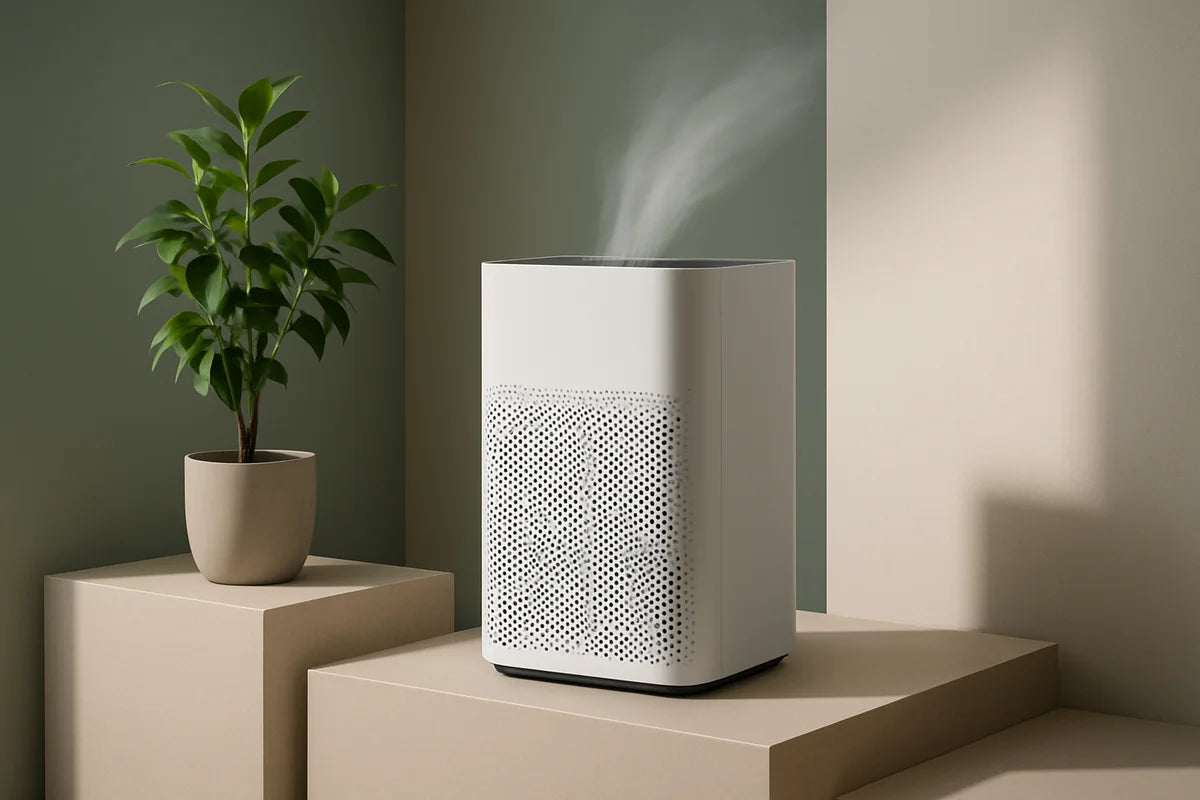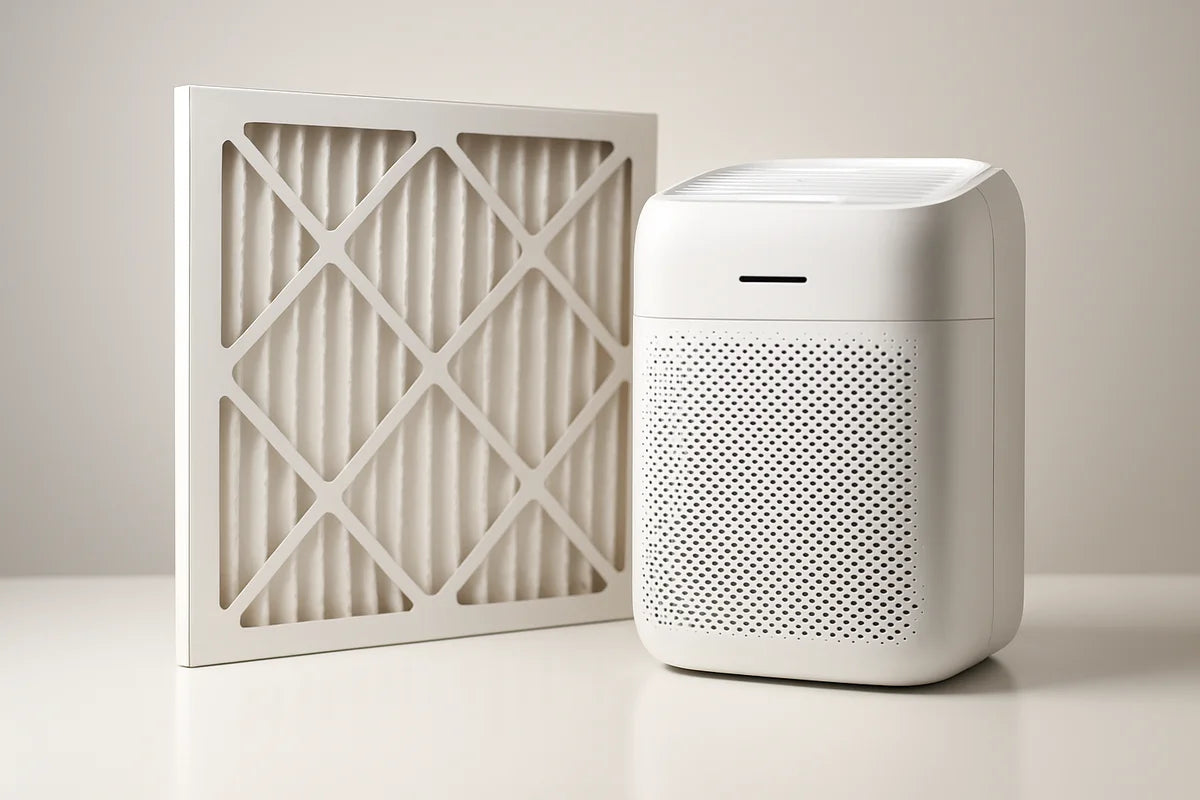
Wenn Sie Asthma haben, kann die Luft in Ihrem Zuhause entweder zur Genesung beitragen oder wiederkehrende Anfälle verursachen. Staubmilbenpartikel, Tierhaare, Pollen, Rauch und winzige Partikel vom Kochen schweben länger in der Luft, als die meisten Leute denken. Deshalb stellt sich so oft die Frage: MERV 13 vs. HEPA zur Asthmakontrolle zu Hause – welcher ist tatsächlich wichtig?
Die ehrliche Antwort ist, dass beides helfen kann, aber sie lösen unterschiedliche Probleme an unterschiedlichen Orten. MERV 13 gehört normalerweise in Ihre zentrale HVAC-Anlage. HEPA gehört normalerweise in einen tragbaren Luftreiniger (oder eine spezielle HVAC-Anlage, die dafür ausgelegt ist). Sobald Sie den Filter der Aufgabe anpassen, wird die Asthmakontrolle einfacher und vorhersehbarer.
Asthma und Raumluft: Was am wichtigsten ist

Asthmaauslöser variieren, aber die Raumluft lässt sich meist in zwei große Kategorien einteilen: Partikel und Gase. Filter kümmern sich hauptsächlich um Partikel. Sie entfernen die meisten Gerüche oder chemischen Dämpfe nicht, es sei denn, Sie fügen Aktivkohle oder andere Adsorbentien hinzu.
Häufige Partikelauslöser in Innenräumen
- Pollen, die über Kleidung, Schuhe und Haustiere ins Haus gelangen
- Staub und Staubmilbenkot aus Bettzeug und Teppichen
- Tierhaare und getrocknete Speichelflocken
- Schimmelsporen (oft aus feuchten Kellern, Bädern oder Lecks)
- Rauchpartikel (Waldbrandrauch, Kerzen, Kochen, Tabak)
- Feinstaub vom Braten, Backen und sogar Toasten
Bei Asthma können die kleinsten Partikel überdurchschnittlich große Probleme verursachen. PM2.5 (Partikel kleiner als 2,5 Mikrometer) können tief in Ihre Lungen gelangen. Waldbrandrauch liegt genau in diesem Bereich, weshalb ein „guter“ Filter plötzlich nicht mehr gut genug erscheint, wenn Rauch eindringt.
Wenn Sie eine schnelle Einführung in das Thema der Raumluftqualität wünschen, erläutert der Leitfaden der EPA zur Raumluftqualität die wichtigsten Quellen und Kontrollmaßnahmen in verständlicher Sprache.
MERV und HEPA ohne Umschweife erklärt

MERV und HEPA sind keine gleiche Art von Bewertung.
Was MERV 13 bedeutet
MERV steht für Minimum Efficiency Reporting Value. Es ist eine Skala (1-16), die für HVAC-Filter verwendet wird. Höhere Zahlen fangen kleinere Partikel ab.
Ein MERV 13 Filter wird häufig empfohlen, da er einen großen Anteil an Partikeln im Bereich von 1-3 Mikrometer erfasst, darunter viele Allergie- und Asthmaauslöser wie Pollenfragmente und einige Rauchpartikel. Er ist auch in Standard-HLK-Größen weit verbreitet.
ASHRAE (die Gruppe, die viele Lüftungs- und Filtrationsstandards festlegt) diskutiert die Filterleistung und -prüfung in ihren Filtrations- und Desinfektionsressourcen, einschließlich der Rolle von Filtern in der gesamten Raumluftstrategie.
Was HEPA bedeutet
HEPA ist ein spezifischer Standard, keine Skala. Echte HEPA-Filter erfassen in Labortests mindestens 99,97 % der Partikel mit einer Größe von 0,3 Mikrometern. Diese Größe von 0,3 Mikrometern wird verwendet, weil sie dem „Most Penetrating Particle Size“ (Größe der am stärksten durchdringenden Partikel) nahekommt, was bedeutet, dass es ein schwieriger Testpunkt ist.
In einem Haushalt erfolgt die HEPA-Filtration normalerweise durch einen tragbaren Luftreiniger, der die Raumluft durch einen versiegelten HEPA-Filter zirkulieren lässt. Einige HLK-Systeme können HEPA verwenden, erfordern jedoch oft Änderungen an der Ausrüstung, da HEPA-Medien einen hohen Luftstromwiderstand erzeugen.
Wenn Sie den medizinischen Aspekt von Asthma und sauberer Luft erfahren möchten, ist die Übersicht über Raumluftschadstoffe der American Lung Association eine solide Referenz für das, was Symptome auslösen kann.
MERV 13 vs. HEPA für die Asthma-Kontrolle zu Hause: Die realen Unterschiede
Wenn Menschen MERV 13 mit HEPA zur Asthma-Kontrolle zu Hause vergleichen, übersehen sie oft die größere Frage: Wohin bewegt sich die Luft, und wie viel davon reinigen Sie tatsächlich pro Stunde?
Abscheidegrad vs. saubere Luftförderung
HEPA hat einen höheren Abscheidegrad. Das garantiert aber keine bessere Asthmakontrolle, wenn Sie nicht genügend Luft hindurchbewegen.
Ein tragbarer HEPA-Luftreiniger sollte eine CADR (Clean Air Delivery Rate) angeben. CADR gibt an, wie viel saubere Luft das Gerät für Rauch, Staub und Pollen liefert. Diese Zahl ist wichtiger als Marketingbegriffe wie „medizinische Qualität“.
Für eine praktische Erklärung von CADR und Dimensionierung ist AHAMs CADR-Leitfaden eine der klarsten Quellen.
Abdeckung des gesamten Hauses vs. Raum-für-Raum-Kontrolle
MERV 13 in der HLK-Anlage kann die Luft behandeln, die durch Ihr System strömt. Das kann im gesamten Haus helfen, aber nur, wenn der Ventilator läuft. Wenn Ihr System ein- und ausschaltet, schaltet sich auch die Filtration ein und aus.
HEPA-Luftreiniger arbeiten Raum für Raum. Das klingt begrenzt, aber für Asthma ist es oft perfekt, weil Sie die meiste Zeit in wenigen Räumen verbringen:
- Schlafzimmer (im Schlaf können sich die Symptome unbemerkt verschlimmern)
- Wohnzimmer (Polstermöbel halten Staub und Tierhaare fest)
- Heimbüro (ganztägige Exposition summiert sich)
Druckverlust und Systembelastung
MERV 13-Filter schränken den Luftstrom stärker ein als billige Glasfaserfilter. Viele Systeme kommen mit MERV 13 gut zurecht. Einige nicht. Wenn der Filter für Ihr Gebläse und Ihre Lüftungskanäle zu restriktiv ist, kann der Luftstrom so stark reduziert werden, dass Komfort und Effizienz beeinträchtigt werden. In extremen Fällen kann dies zu Vereisung der Spulen oder Überhitzungsproblemen führen.
Hier schlägt die Idee, „einfach die höchste MERV-Stufe zu kaufen“, fehl. Ein guter HLK-Techniker kann den statischen Druck messen und bestätigen, was Ihr System leisten kann. Wenn Sie gerne DIY-Lektüre mögen, erklären die Artikel von Energy Vanguard zum HLK-Gebäudemanagement oft Filtration und Luftstrom so, dass Hausbesitzer sie verstehen können.
Lärm, Platzierung und die Dinge, die Sie tatsächlich tun werden
Der beste Filterplan ist der, den Sie auch durchgehend umsetzen. HEPA-Luftreiniger können bei höheren Geschwindigkeiten laut werden. Wenn Sie ein zu kleines Gerät kaufen, müssen Sie es ständig auf hoher Stufe laufen lassen, und Sie werden es wahrscheinlich irgendwann aufgeben.
MERV 13 in der HLK-Anlage ist leiser und unsichtbar, aber Sie müssen den Filter trotzdem pünktlich wechseln.
Welche Wahl sollten Sie für Asthma treffen?
Sie müssen sich nicht immer für eine Option entscheiden. Viele asthmafreundliche Haushalte nutzen beides: MERV 13 im HLK-System plus einen HEPA-Luftreiniger im Schlafzimmer.
Wann MERV 13 am sinnvollsten ist
- Sie haben eine Zentralheizung oder -kühlung und das System kann MERV 13 verarbeiten
- Ihr Ziel ist eine stetige Partikelreduktion im ganzen Haus
- Sie wünschen eine kostengünstigere Grundlösung, die keinen Stellplatz benötigt
- Sie können den Ventilator öfter laufen lassen (oder einen Thermostat-„Umluft“-Modus verwenden)
Bester Anwendungsfall: Sie möchten einen soliden Standard, der alltägliche Auslöser wie Pollen und allgemeinen Staub reduziert, und Sie sind bereit, die Filterwechsel einzuhalten.
Wann HEPA der bessere erste Schritt ist
- Ihr Asthma tritt hauptsächlich in ein oder zwei Räumen (oft im Schlafzimmer) auf
- Sie haben keine zentrale HLK, oder Ihr System hat Schwierigkeiten mit dickeren Filtern
- Sie haben mit Rauchentwicklungen oder Verkehrsemissionen in der Nähe zu tun
- Sie möchten schnelle Ergebnisse in einem einzigen Raum
Bester Anwendungsfall: Sie wünschen die stärkste Filtration dort, wo Sie schlafen. Wenn Sie nur eine Sache kaufen, empfinden viele Menschen die größte Veränderung durch einen richtig dimensionierten HEPA-Luftreiniger im Schlafzimmer.
Wann Sie beides in Betracht ziehen sollten
- Sie haben Haustiere und können die Tierhaare nicht eindämmen
- Sie haben Allergien plus Asthma, und die Symptome bleiben auch mit Medikamenten bestehen
- Sie leben in einem Gebiet mit hohem Pollenflug oder haben es mit saisonalem Rauch zu tun
- Ihr Zuhause hat mehrere Bewohner mit unterschiedlichen Auslösern
Wie man MERV 13 richtig einrichtet
Wählen Sie einen guten Filter, nicht nur eine hohe Zahl
MERV-Werte garantieren keine Verarbeitungsqualität. Achten Sie auf eine bekannte Marke und einen stabilen Rahmen, der in Ihrem Filterschacht gut abdichtet. Luft, die am Filter vorbeiströmt, ist nicht gereinigte Luft.
Wechseln Sie ihn nach einem Zeitplan, der zu Ihrem Zuhause passt
Der übliche Rat ist alle 1-3 Monate, aber Asthmatikerhäuser benötigen oft kürzere Intervalle, besonders bei Haustieren oder starkem Kochen. Wenn der Filter grau und beladen aussieht, ersetzen Sie ihn. Warten Sie nicht auf eine Kalendererinnerung, wenn der Luftstrom abnimmt.
Lassen Sie den Ventilator öfter laufen, aber intelligent
Wenn Ihr System dies unterstützt, verwenden Sie den „Umluft“-Modus oder längere Laufzeiten des Ventilators, damit täglich mehr Luft durch den Filter strömt. Wenn Ihr Ventilator laut ist oder Sie sich Sorgen um den Energieverbrauch machen, beginnen Sie mit kleinen Änderungen und beobachten Sie, wie Sie sich nachts fühlen.
Wie man einen HEPA-Luftreiniger wählt, der tatsächlich hilft
Dimensionierung nach CADR und Raumfläche
Ein häufiger Fehler ist der Kauf nach Raumgröße auf der Verpackung, ohne die CADR zu überprüfen. Für die Asthmakontrolle benötigen Sie genügend saubere Luftwechsel pro Stunde, um eine spürbare Reduzierung feiner Partikel zu erreichen.
Als grobes Ziel sollten Sie 4-6 Luftwechsel pro Stunde im Schlafzimmer anstreben, wenn Sie den Lärm tolerieren können. Das bedeutet in der Regel, einen Luftreiniger zu kaufen, der für einen größeren Raum als Ihren eigenen ausgelegt ist, damit Sie ihn auf einer leiseren mittleren Einstellung betreiben und trotzdem einen starken Luftstrom erhalten können.
Möchten Sie eine einfache Methode zur Schätzung? Verwenden Sie einen Raumvolumenrechner und gleichen Sie ihn mit der CADR ab. Tools wie dieser Raumgrößenrechner helfen Ihnen, das Kubikvolumen schnell zu ermitteln, damit Sie mit echten Zahlen einkaufen können.
Achten Sie auf „echten HEPA“ und gute Dichtungen
Marketingbegriffe können verwirrend sein. „HEPA-ähnlich“ und „HEPA-Typ“ bedeuten nicht echtes HEPA. Auch ein echter HEPA-Filter hilft nicht viel, wenn das Gerät Luft um ihn herum undicht ist. Ein gut gebauter Luftreiniger hat dichte Dichtungen und einen festen Filtersitz.
Ignorieren Sie Kohle nicht, wenn Gerüche Symptome auslösen
Wenn Kochgerüche, Rauchgerüche oder Gerüche von Reinigungsmitteln Sie stören, benötigen Sie möglicherweise zusätzlich zu HEPA Aktivkohle. HEPA kümmert sich um Partikel. Kohle hilft bei einigen Gasen. Kein häuslicher Luftreiniger entfernt jede Chemikalie, aber Kohle kann die scharfe Kante von Gerüchen reduzieren, die das Atmen erschweren.
Die Platzierung ist wichtiger, als man denkt
- Stellen Sie es in den Raum, in dem die Symptome auftreten, nicht in den Flur
- Halten Sie es einige Meter von Wänden und Vorhängen entfernt, damit es die Luft frei ansaugen kann
- Platzieren Sie es im Schlafzimmer in der Nähe des Bettes, aber blasen Sie es nicht direkt auf Ihr Gesicht
- Halten Sie Türen und Fenster konsequent geschlossen, damit die Ergebnisse nicht zufällig sind
Was Filter nicht beheben können und was stattdessen zu tun ist
Selbst der beste MERV 13 vs. HEPA Plan zur Asthmakontrolle zu Hause wird diese Probleme nicht von alleine lösen.
Luftfeuchtigkeit und Hausstaubmilben
Hausstaubmilben gedeihen, wenn die Luftfeuchtigkeit hoch bleibt. Wenn Milben Sie auslösen, halten Sie die Luftfeuchtigkeit in Innenräumen zwischen 30-50 % und waschen Sie die Bettwäsche wöchentlich in heißem Wasser. Ein Luftentfeuchter in feuchten Jahreszeiten hilft oft mehr als ein weiterer Filter.
Schimmel durch Wasserprobleme
Wenn Sie modrige Luft riechen oder Flecken sehen, finden und beheben Sie die Feuchtigkeitsquelle. Filter können einige Sporen auffangen, aber sie werden das Wachstum hinter einer Wand oder unter dem Bodenbelag nicht stoppen.
Verbrennung und Kochverschmutzung
Gasherde, Braten und sogar Backen bei hoher Hitze können Partikel und Stickstoffdioxid in die Höhe treiben. Verwenden Sie eine Dunstabzugshaube, die nach außen abführt, und lassen Sie sie jedes Mal laufen, wenn Sie kochen. Wenn Sie keine haben, kann ein tragbarer HEPA-Luftreiniger im Küchenbereich bei Partikeln helfen, ersetzt aber keine Belüftung.
Staubsaugen, das Staub aufwirbelt
Ein Staubsauger ohne gute Filtration kann die Luft während der Reinigung verschlimmern. Wenn möglich, verwenden Sie einen versiegelten Staubsauger mit HEPA-Filtration und saugen Sie langsam. Erwägen Sie die Reinigung, wenn die Person mit Asthma nicht im Raum ist.
Ein praktischer Plan, den die meisten Asthma-Haushalte befolgen können
Schritt 1: Eine starke Basis mit Ihrer HLK schaffen
- Probieren Sie MERV 13 aus, wenn Ihr System es verträgt
- Überprüfen Sie die Filterpassform, damit keine Luft an den Rändern vorbeiströmt
- Wechseln Sie ihn, bevor er verstopft
Schritt 2: HEPA im Schlafzimmer hinzufügen
- Kaufen Sie ein echtes HEPA-Gerät, das für Ihr Schlafzimmer dimensioniert ist und einen hohen CADR-Wert hat
- Lassen Sie es jede Nacht und so viele Stunden wie möglich tagsüber laufen
- Wechseln Sie die Filter rechtzeitig, damit der Luftstrom hoch bleibt
Schritt 3: Die großen Quellen beheben
- Luftfeuchtigkeit kontrollieren
- Kochen nach außen ablüften
- Wasserlecks schnell beheben
- Staubreservoire reduzieren (Teppiche, schwere Vorhänge, Unordnung)
Ausblick: Wo diese Woche beginnen
Wenn Sie sich zwischen MERV 13 und HEPA entscheiden müssen, beginnen Sie mit Ihrem Schlafzimmer. Ein richtig dimensionierter HEPA-Luftreiniger kann Ihre nächtliche Atmung schnell verbessern, und besserer Schlaf macht die Symptome tagsüber oft leichter handhabbar.
Bauen Sie dann darauf auf. Wenn Sie eine zentrale HLK-Anlage haben, wechseln Sie zu einem MERV 13-Filter, sobald Sie bestätigt haben, dass Ihr System damit umgehen kann. Beobachten Sie Symptome wie Husten in der Nacht, den Einsatz von Notfallinhalatoren und morgendliche Enge für ein paar Wochen nach jeder Änderung. Die Asthmakontrolle verbessert sich, wenn Sie sie wie ein einfaches Heimexperiment behandeln: Ändern Sie eine Sache, halten Sie sie stabil und sehen Sie, was Ihr Körper Ihnen sagt.