Die meisten Menschen denken, „saubere Raumluft“ bedeutet, ein Gerät mit Filter zu kaufen und damit sei es getan. Das hilft, ist aber nicht die ganze Geschichte. Bei der natürlichen Luftfiltration für zu Hause geht es weniger um eine magische Lösung, sondern mehr darum, ein paar einfache Kräfte zu nutzen, die bereits in Ihrem Haus vorhanden sind: Luftzirkulation, Feuchtigkeitsregulierung, Oberflächenreinigung und intelligente Materialauswahl.
Das Ziel ist nicht, Ihr Zuhause zu sterilisieren. Es geht darum, die Stoffe zu reduzieren, die die Luft stickig wirken lassen oder Symptome auslösen: Feinstaub, Staub, Rauch, Pollen, Schimmelsporen und Gase von Reinigungs-, Farb- und Kochprodukten. Im Folgenden finden Sie praktische Schritte, die Sie diese Woche beginnen können, sowie wie Sie häufige Fallen wie „luftreinigende“ Zimmerpflanzen und Duftprodukte vermeiden, die die Luft verschlechtern.
Was „natürliche Luftfiltration“ in Innenräumen wirklich bedeutet

Natürliche Luftfiltration für Zuhause verwendet einfache oder passive Methoden, um Schadstoffe in Innenräumen zu reduzieren. Man kann es sich als drei Aufgaben vorstellen:
- Vermeiden, dass Verschmutzungen eindringen (oder entstehen).
- Entfernen, was bereits in der Luft ist (durch Lüftung, Absaugung oder Absetzen).
- Probleme wie Schimmelwachstum durch Feuchtigkeitskontrolle verhindern.
Das ist wichtig, denn die Raumluft kann schlechter sein als die Außenluft, besonders in dichteren Häusern. Die U.S. Environmental Protection Agency (EPA) bringt die Raumluftqualität mit alltäglichen Quellen wie Kochen, Verbrennungsgeräten, Baumaterialien und sogar einigen Reinigungsprodukten in Verbindung. Ihre Übersicht über die Raumluftqualität ist eine gute Grundlage, wenn Sie sich ein umfassendes Bild machen möchten: EPA-Leitfaden zur Raumluftqualität.
Beginnen Sie mit dem größten Gewinn: kontrollierte Frischluft

Wenn Sie nur eine Sache tun, dann diese: Führen Sie gezielt Außenluft zu. Nicht versehentlich durch Lecks, sondern auf eine Weise, die Sie steuern können.
Nutzen Sie Querlüftung, wenn die Außenluft gut ist
An Tagen mit wenig Rauch und Pollen öffnen Sie zwei Fenster auf gegenüberliegenden Seiten Ihres Hauses für 10 bis 20 Minuten. Stellen Sie einen Kastenventilator in ein Fenster, der nach außen bläst, um frische Luft durchzuziehen. Sie werden die Innenraumgase und die verbrauchte Luft schnell abführen.
- Tun Sie dies nach dem Kochen, Putzen, Streichen oder einer Dusche.
- Vermeiden Sie es bei Waldbrandrauch, starkem Verkehrsaufkommen oder hohen Pollenbelastungen.
Möchten Sie eine schnelle Einführung in die Grundlagen der Belüftung? Die Bauforscher von Green Building Advisor erklären in ihrer Belüftungsübersicht, warum „ein bisschen frische Luft“ kein Luxus, sondern ein System ist.
Dunstabzugshauben sind die besten Freunde der natürlichen Filtration
Küchen- und Badventilatoren „filtern“ nicht im klassischen Sinne, aber sie entfernen verschmutzte Luft an der Quelle. Das ist die sauberste Art der Luftreinigung, die Sie durchführen können.
- Betreiben Sie die Dunstabzugshaube jedes Mal beim Kochen, besonders beim Braten, Anbraten oder bei der Verwendung von Gas.
- Betreiben Sie den Badventilator während des Duschens und für 20 Minuten danach.
- Wenn Ihre Dunstabzugshaube die Luft zurück in die Küche leitet (Umluftbetrieb), ziehen Sie ein Upgrade auf eine Ablufthaube in Betracht, wenn dies möglich ist.
Kochen ist eine Hauptquelle für Partikel, und Gasherde setzen Stickstoffdioxid frei. Wenn Sie die wissenschaftlichen Hintergründe dazu erfahren möchten, lesen Sie die Forschung in Environmental Health Perspectives zur Gasherdverschmutzung.
Feuchtigkeitskontrolle ist Luftkontrolle
Schimmel braucht kein schmutziges Haus. Er braucht Feuchtigkeit. Wenn Sie die Luftfeuchtigkeit kontrollieren, reduzieren Sie das Schimmelrisiko und das Wachstum von Hausstaubmilben, und die Luft fühlt sich besser an.
Ziel: 30 % bis 50 % Luftfeuchtigkeit in Innenräumen
Unter 30 % kann es zu Augen- und Hautreizungen kommen. Über 50 % erhöht die Schimmelgefahr, besonders in Kellern und Bädern. Verwenden Sie ein günstiges Hygrometer, um die Luftfeuchtigkeit in Problemräumen zu verfolgen.
- Verwenden Sie einen Luftentfeuchter in feuchten Kellern.
- Beheben Sie Lecks schnell, auch „kleine“ unter Waschbecken.
- Lüften Sie den Trockner nach draußen und reinigen Sie den Flusenweg.
Wenn Sie eine klare, praktische Einführung in die Feuchtigkeitsregulierung wünschen, legt der Leitfaden zur Feuchtigkeitsregulierung des US-Energieministeriums die Grundlagen ohne Schnörkel dar.
Staub ist nicht harmlos. Er trägt das, was Sie atmen.
Staub ist eine Mischung aus Stofffasern, Hautschuppen, Außenboden, Pollen und winzigen Teilen dessen, was in Ihrem Zuhause passiert. Er bindet auch einige Chemikalien und Allergene. Wenn Sie Staub reduzieren, reduzieren Sie das, was beim Gehen, Sitzen oder Bettenmachen wieder in die Luft gewirbelt wird.
Reinigen Sie so, dass Partikel aufgefangen werden
Manche Reinigungen verteilen den Staub nur. Sie möchten Methoden, die ihn einfangen.
- Verwenden Sie einen Staubsauger mit einem geschlossenen System und möglichst einem HEPA-Filter.
- Wischen Sie harte Böden feucht, anstatt trocken zu fegen.
- Verwenden Sie ein feuchtes Tuch für Regale und Fensterbänke.
- Waschen Sie die Bettwäsche wöchentlich in heißem Wasser, wenn Sie Allergien haben.
Eine praktische Referenz zu HEPA und was es einfängt, stammt von der Übersicht über Luftfilter der Asthma and Allergy Foundation of America.
Gewohnheiten im Eingangsbereich reduzieren die Verschmutzung, bevor sie sich ausbreitet
Das ist natürliche Luftfiltration für Zuhause in ihrer einfachsten Form: Bringen Sie nichts herein, was Sie nicht brauchen.
- Verwenden Sie eine robuste Fußmatte draußen und eine waschbare Matte drinnen.
- Ziehen Sie die Schuhe an der Tür aus.
- Bewahren Sie Mäntel außerhalb der Schlafzimmer auf, wenn Sie mit Pollen zu kämpfen haben.
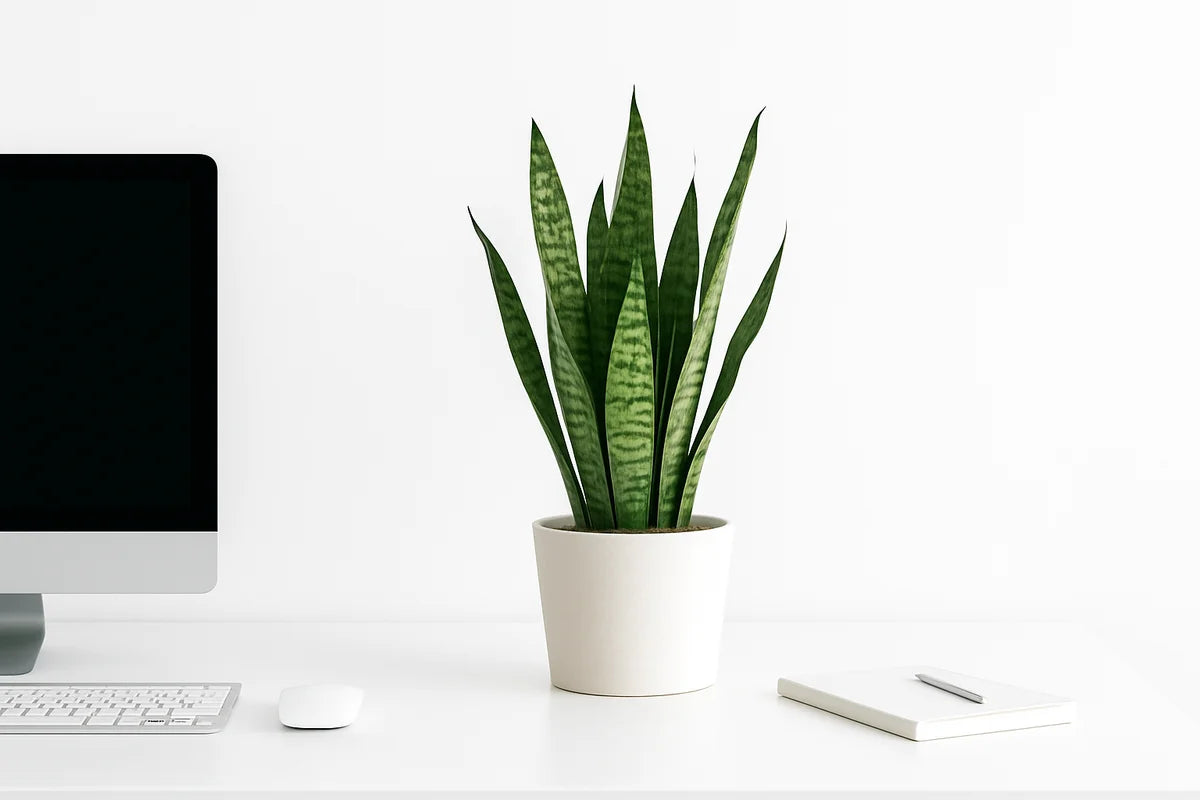
Pflanzen können ein wenig helfen, aber behandeln Sie sie nicht wie Filter
Zimmerpflanzen sehen toll aus und können das Wohlbefinden fördern, aber sie ersetzen weder Belüftung noch echte Filtration. Einige Laborstudien zeigten, dass Pflanzen bestimmte Chemikalien entfernen können, aber diese Tests entsprechen nicht den realen Bedingungen zu Hause.
Dennoch können Pflanzen eine kleine unterstützende Rolle bei der natürlichen Luftfiltration in Wohnungen spielen, wenn Sie realistische Erwartungen haben:
- Sie können die Luftfeuchtigkeit in trockenen Monaten etwas erhöhen.
- Sie können Stress reduzieren, was wichtig ist, wenn schlechte Luft Sie ängstlich macht.
- Sie können das Schimmelrisiko erhöhen, wenn Sie zu viel gießen oder staunasse Erde verwenden.
Wenn Sie Pflanzen halten, konzentrieren Sie sich auf die Bodenpflege: Lassen Sie kein Wasser in den Untersetzern stehen und bedecken Sie die Erde mit Sand oder verwenden Sie eine Gitterschicht, um Trauermücken zu reduzieren. Wenn Sie Schimmel auf der Erde sehen, beheben Sie die Bewässerung und den Luftstrom, anstatt Sprays hinzuzufügen.
Verwenden Sie Baumaterialien und Oberflächen, die nicht monatelang ausgasen
Bei der natürlichen Luftfiltration geht es nicht nur darum, Schadstoffe zu entfernen. Es geht auch darum, Quellen zu wählen, die von vornherein weniger Emissionen verursachen.
Wählen Sie Produkte mit niedrigem VOC-Gehalt, aber hören Sie nicht dort auf
Lösemittelarme Farben und Lacke können einige Emissionen reduzieren, aber „arm“ bedeutet nicht „keine“. Sie benötigen immer noch Belüftung während und nach den Projekten.
- Lüften Sie Räume während des Anstrichs und mehrere Tage danach.
- Lagern Sie Farben, Lösungsmittel und Brennstoffe außerhalb des Wohnbereichs, nicht in einem Flurschrank.
- Vermeiden Sie Lufterfrischer, die Düfte und Chemikalien in die Luft abgeben.
Einrichtungen sind wichtiger, als die meisten Leute denken
Neue Möbel, Teppiche und Schaumstoffprodukte können Gerüche und Chemikalien freisetzen. Wenn möglich, packen Sie die Artikel aus und lüften Sie sie einige Tage in einer Garage oder einem freien Zimmer mit offenen Fenstern aus. Wenn das nicht möglich ist, erhöhen Sie die Belüftung und vermeiden Sie es, mehrere neue Artikel gleichzeitig hinzuzufügen.
Küchengewohnheiten, die Partikel schnell reduzieren
Kochen kann der größte Partikel-Ereignis in Innenräumen an einem normalen Tag sein. Sie müssen nicht aufhören zu kochen. Sie müssen die Nebenprodukte kontrollieren.
- Verwenden Sie Deckel auf Pfannen, um Rauch und Fett-Aerosol zu reduzieren.
- Nutzen Sie die hinteren Brenner unter der Dunstabzugshaube, wenn Sie können.
- Toasten und braten Sie mit der Dunstabzugshaube auf höchster Stufe.
- Wenn etwas anbrennt, "maskieren" Sie es nicht mit Duft. Lüften Sie es aus.
Wenn Sie es ernst meinen, ziehen Sie beim Austausch eines Herdes ein Induktionskochfeld in Betracht. Es reduziert Verbrennungsgase und oft auch die Wärme- und Feuchtigkeitsbelastung im Raum.
Wenn „Natur“ Unterstützung braucht, setzen Sie mechanische Filter intelligent ein
Manche Haushalte stehen vor Realitäten, die passive Methoden nicht überwinden können: Waldbrandrauch, starke Außenluftverschmutzung oder schwere Allergien. In diesen Fällen funktioniert die natürliche Luftfiltration für Zuhause am besten, wenn Sie ein einfaches mechanisches Gerät hinzufügen und es richtig betreiben.
Portable Luftreiniger können in einem Raum viel bewirken
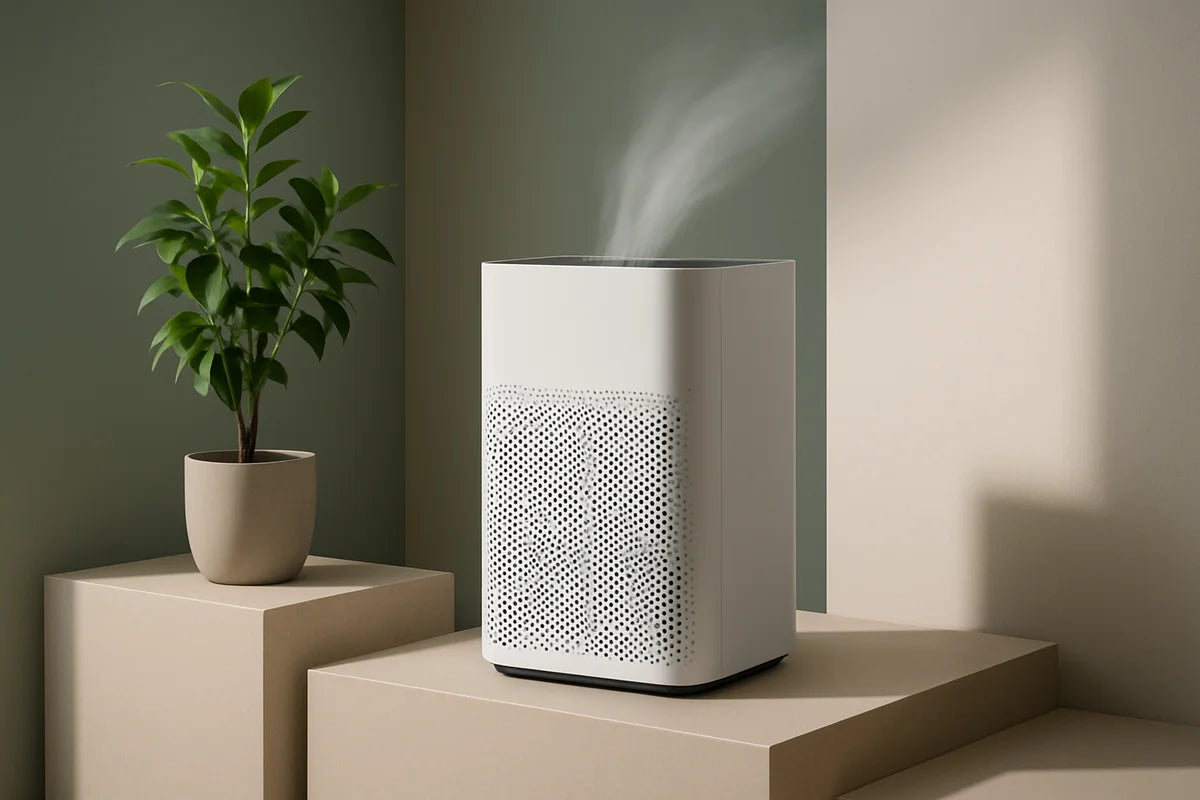
Ein guter Luftreiniger mit HEPA-Filter entfernt Feinstaub, den die Belüftung nicht immer lösen kann, insbesondere bei Rauchereignissen, wenn man keine Fenster öffnen kann. Passen Sie das Gerät mit dem CADR (Clean Air Delivery Rate) an Ihre Raumgröße an und betreiben Sie es auf einer höheren Stufe, wenn Sie kochen oder reinigen.
Wenn Sie Heimwerker sind, kann ein Kastenventilator mit einem hochwertigen Filter eine starke Budgetoption sein. Spezifikationen und Sicherheitshinweise finden Sie unter Clean Air Kits und DIY-Filtrationsressourcen.
Vergessen Sie nicht den Filter, den Sie bereits besitzen
Wenn Sie eine Umluftheizung oder -kühlung haben, kann Ihr System bei der Luftfilterung helfen, wenn Sie einen besseren Filter verwenden und diesen regelmäßig wechseln. Höhere MERV-Werte erfassen kleinere Partikel, aber sehr restriktive Filter können einige Systeme belasten. Wenn Sie nicht sicher sind, was Ihre Klimaanlage leisten kann, fragen Sie einen lokalen Techniker und überprüfen Sie das Handbuch Ihres Geräts.
Einfache Wege, Probleme zu erkennen, bevor sie sich ausbreiten
Sie können nicht beheben, was Sie nicht bemerken. Sie brauchen auch kein Labor, um nützliche Signale zu erhalten.
Nutzen Sie Ihre Sinne, dann bestätigen Sie mit ein paar günstigen Werkzeugen
- Muffiger Geruch: Behandeln Sie ihn als Feuchtigkeit, bis das Gegenteil bewiesen ist.
- Staub, der schnell zurückkehrt: Überprüfen Sie Ihren Staubsauger, Fußmatten und den HVAC-Filter.
- Kondenswasser an Fenstern: Senken Sie die Luftfeuchtigkeit, verbessern Sie den Luftstrom und überprüfen Sie Isolationslücken.
- Kopfschmerzen nach dem Putzen: Wechseln Sie zu unparfümierten Produkten und lüften Sie.
Wenn Sie Daten wünschen, kann ein grundlegendes PM2.5-Messgerät oder ein kombiniertes Luftqualitätsmessgerät Ihnen helfen, Spitzen mit Aktivitäten wie Kochen in Verbindung zu bringen. Sie brauchen keine perfekte Genauigkeit. Sie brauchen Trends, auf die Sie reagieren können.
Raum für Raum natürlicher Luftfiltrationsplan
Schlafzimmer
- Halten Sie Haustiere fern, wenn Sie Allergien haben.
- Waschen Sie die Bettwäsche wöchentlich und saugen Sie um das Bett herum.
- Kontrollieren Sie die Luftfeuchtigkeit, um Hausstaubmilben zu reduzieren.
- Lüften Sie den Raum jeden Morgen 10 Minuten lang, wenn die Außenluft gut ist.
Küche
- Benutzen Sie die Dunstabzugshaube jedes Mal beim Kochen.
- Wischen Sie Oberflächen mit einem feuchten Tuch ab, um feinen Fettsaub zu entfernen.
- Halten Sie Müll bedeckt und bringen Sie ihn oft heraus, um Gerüche und Schädlinge zu reduzieren.
Badezimmer
- Lassen Sie den Abluftventilator laufen und den Türspalt offen nach dem Duschen.
- Beheben Sie langsame Lecks und dichten Sie undichte Stellen neu ab, wo Wasser hinter Oberflächen gelangt.
- Hängen Sie Handtücher zum schnellen Trocknen auf, anstatt sie auf einem Haufen liegen zu lassen.
Keller oder Waschküche
- Verwenden Sie einen Luftentfeuchter, wenn die Luftfeuchtigkeit hoch bleibt.
- Lagern Sie Kartons vom Boden entfernt, um das Schimmelrisiko zu reduzieren.
- Reinigen Sie den Abluftweg des Trockners und stellen Sie sicher, dass er nach außen abführt.
Häufige Mythen, die Zeit und Geld verschwenden
Mythos 1: Duft bedeutet Sauberkeit
Viele Duftsprays und Stecker setzen Chemikalien in die Luft frei. Wenn ein Raum schlecht riecht, entfernen Sie die Quelle und lüften Sie. Decken Sie es nicht ab.
Mythos 2: Eine Pflanze reinigt einen ganzen Raum
Pflanzen können den Komfort unterstützen, aber sie ersetzen nicht den Luftstrom und die Partikelaufnahme.
Mythos 3: Ozon-"Luftreiniger" sind natürlich und sicher
Ozon kann die Lunge reizen. Vermeiden Sie Geräte, die Ozon absichtlich zur Luftreinigung zu Hause erzeugen.
Wo Sie diese Woche anfangen können
Wenn Sie einen kurzen Plan wünschen, der wirklich etwas bewirkt, gehen Sie diese Schritte der Reihe nach durch:
- Küchen- und Badabluftventilatoren zur richtigen Zeit laufen lassen und sauber halten.
- Ein Hygrometer kaufen und die Luftfeuchtigkeit in den Bereich von 30 % bis 50 % bringen.
- Auf eine absaugende Reinigung umsteigen: HEPA-Staubsauger, feuchtes Abstauben, feuchtes Wischen.
- Ein Eingangsbereichssystem mit Matten und einer Angewohnheit, die Schuhe auszuziehen, einrichten.
- Wenn Rauch oder Allergien stark zuschlagen, einen Raumluftreiniger oder eine DIY-Filterbox für Ihren Hauptwohnraum hinzufügen.
Natürliche Luftfiltration für Zuhause funktioniert am besten, wenn Sie sie als Routine behandeln, nicht als einmaliges Projekt. Mit wechselnden Jahreszeiten ändern sich auch Ihre besten Maßnahmen. Im Sommer kann das Entfeuchten und eine starke Küchenlüftung bedeuten. Im Winter könnten es kurze Lüftungsintervalle und eine sorgfältige Feuchtigkeitsregulierung sein. Wenn Sie sich die Gewohnheit jetzt aneignen, werden Sie den Unterschied bemerken, wenn Sie das nächste Mal ein rauchiges Essen zubereiten, eine überfüllte Party veranstalten oder eine Woche mit schlechter Außenluft überstehen.